


My First Charoset
I made my first charoset when I was twelve. My hands were sticky with apple juice. I remember feeling so proud. I carried the bowl to the table like a treasure.
That is why this matters. Food connects us to our family story. Each bite is a taste of history. What is your first cooking memory? I would love to hear it.
What is Charoset?
Charoset is a sweet mix for Passover. It sits on the Passover seder plate. This recipe is for a Traditional Apple-Walnut Charoset. It is the Ashkenazi charoset style.
Sephardic charoset can use dates and spices. But this one is apples, walnuts, and wine. It is a Jewish Passover recipe. It reminds us of the mortar our ancestors used. We eat it with matzo as a matzo topping.
The Heart of the Recipe
This charoset recipe is very simple. You chop three apples. I like a crisp, sweet apple. You chop one cup of walnuts too. Doesn’t that smell amazing? It smells like fall.
Then you stir in the wine, sugar, and cinnamon. Use a sweet red wine that is Kosher for Passover. The brown sugar adds a warm depth. This makes it an easy charoset recipe. *Fun fact: The cinnamon is not just for taste. Long ago, spices were precious. Adding them made the meal special.
A Bowl of Sweetness
Why does this matter? This dish is more than a topping. It is a lesson in turning hard times into something sweet. We remember struggle, but we taste joy. I still think about that every year.
Making it is half the fun. Do you like a chunky or smooth texture? I chop my apples by hand for a nice texture. It feels peaceful. But a food processor works for a faster mix. Just pulse it gently!
After the Seder
You will often have some left over. I love leftover charoset ideas! My favorite is simple. I eat it with yogurt for breakfast. It is delicious.
You can also spread it on toast. Or stir it into oatmeal. It is too good to waste. What would you do with your leftovers? Tell me your best idea. I am always looking for new ones.
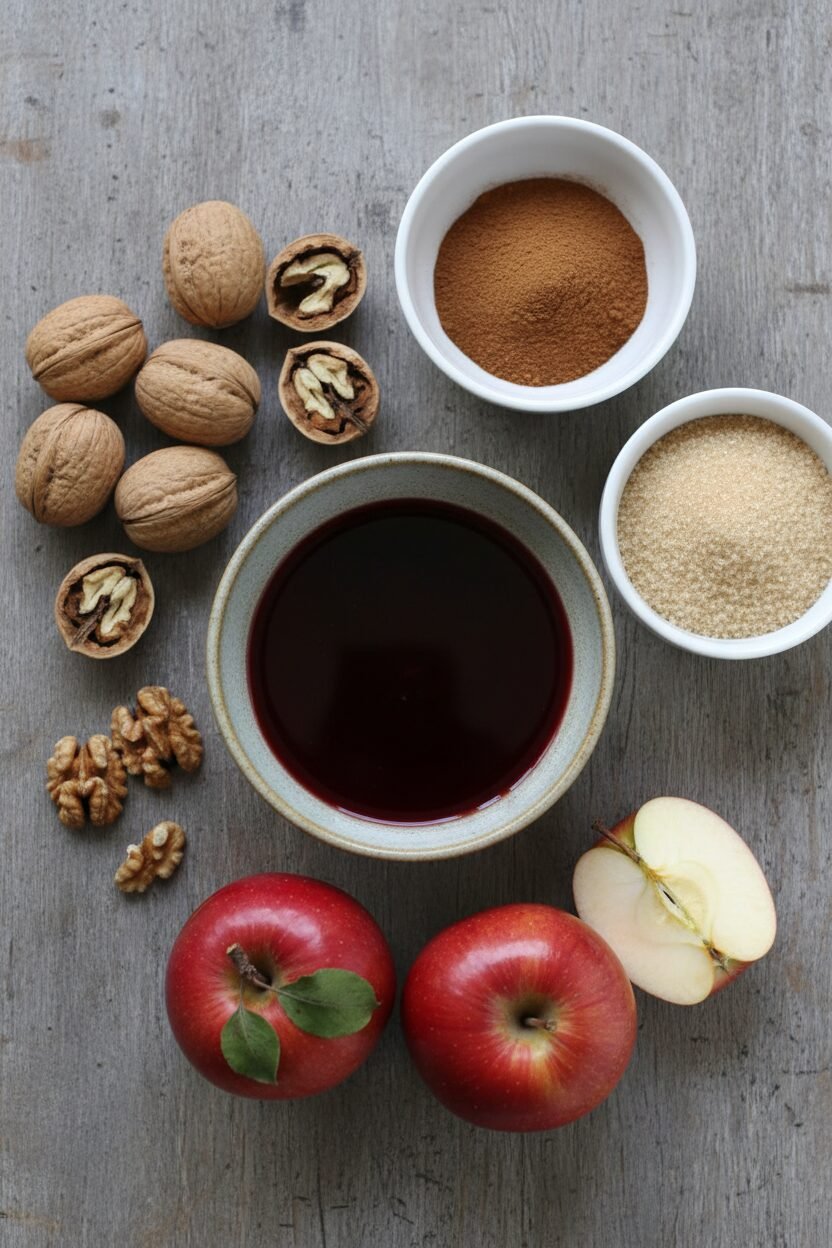
Ingredients:
| Ingredient | Amount | Notes |
|---|---|---|
| Apples (such as Gala, Fuji, or Honeycrisp) | 3 medium (about 3 cups) | Peeled, cored, and finely chopped |
| Walnuts | 1 cup | Finely chopped |
| Sweet red wine (such as Malaga or Manischewitz) | ⅓ cup | |
| Light brown sugar | 1 tablespoon (packed) | |
| Ground cinnamon | ¾ teaspoon |
Instructions
Step 1: Grab your three apples and peel them. Core them too. Now, chop them into little pieces. I like the sound of the knife on the board. (Peeling first makes this Charoset recipe much nicer to eat.) Do you use a food processor or a knife? Share below!
Step 2: Put your apple pieces in a big bowl. Add one cup of chopped walnuts. The crunch is the best part. This is the heart of your Traditional Apple-Walnut Charoset. I always think of my family’s Passover seder plate when I mix this.
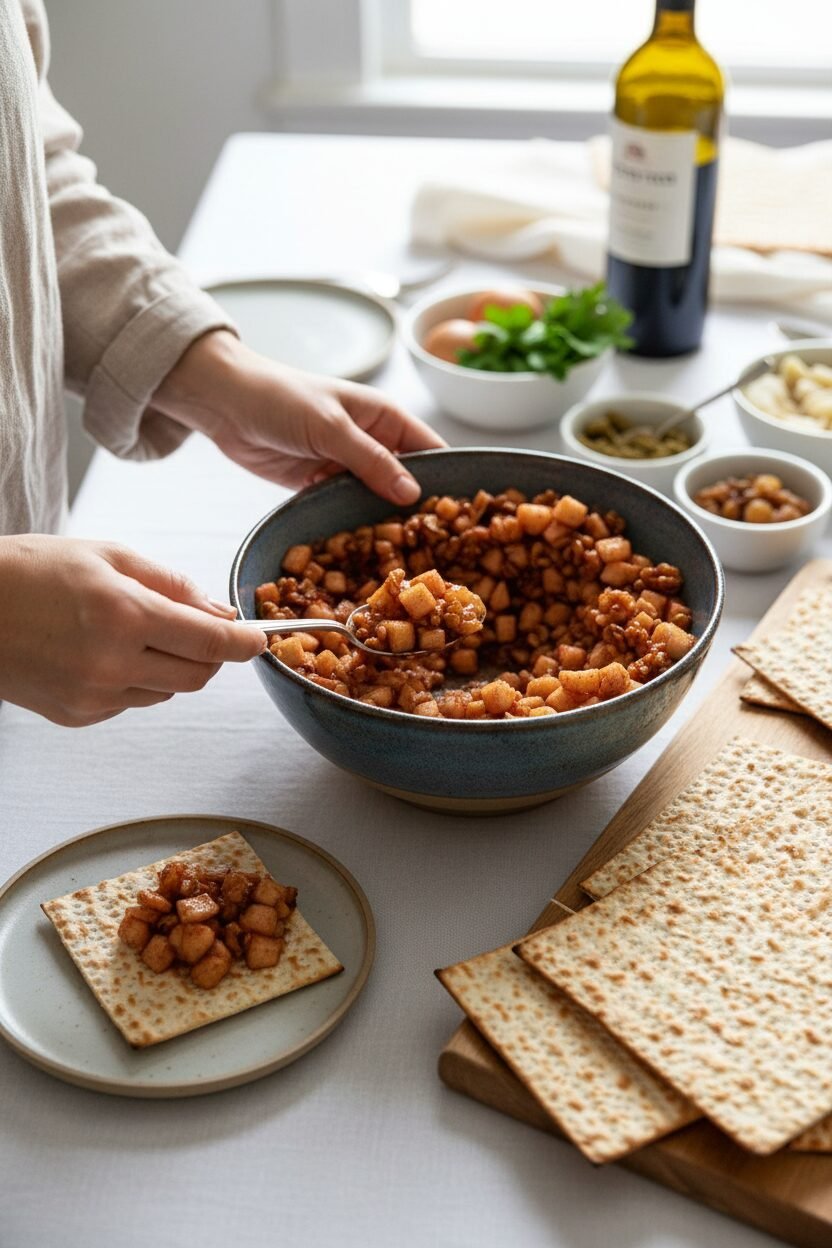
Step 3: Pour in the sweet red wine. Use one-third of a cup. I love the smell. Add the brown sugar and cinnamon too. Stir everything together very gently. This Ashkenazi charoset is now perfect for your Jewish Passover recipe.
Creative Twists
Add a squeeze of fresh orange juice for a sunny zing. Try chopped dates instead of brown sugar for natural sweetness. Mix in a pinch of ginger for a warm, spicy kick. Which one would you try first? Comment below!Serving & Pairing Ideas
This Kosher for Passover treat is a star. Serve it on your Passover seder plate first. Then, enjoy it as a sweet matzo topping. For a fun snack, use leftover charoset on yogurt. It’s a delicious and easy charoset recipe. Which would you choose tonight?
Keeping Your Charoset Fresh and Tasty
Let’s talk about storing this sweet mix. Fridge is best for charoset. Pop it in a sealed container. It will stay good for about four days. The flavors actually get better the next day.
You can freeze it, too. I use a small freezer jar. Thaw it overnight in the fridge before your seder. I remember my first big batch. I was so proud, I made enough for a week!
Batch cooking this saves time during a busy holiday week. It means one less thing to worry about. You can focus on family and the story of Passover. Have you ever tried storing it this way? Share below!
Simple Fixes for Common Charoset Hiccups
First issue: soggy charoset. This happens if the apples are too wet. Always pat your chopped apples dry with a towel. I once forgot this step. My charoset was a bit too juicy.
Second, nuts that are too big. You want small, pleasant bits. Chop your walnuts finely by hand. Or pulse them briefly in a food processor. Getting the texture right matters for spreading on matzo.
Third, not enough spice. Start with the recipe’s cinnamon. Then taste. Add a tiny pinch more if you like. Balancing the sweet and spiced flavors makes every bite special. Which of these problems have you run into before?
Your Quick Questions, Answered
What is charoset and why is it eaten during Passover?
Charoset is a sweet mix for the Passover seder plate. It looks like the mortar used by Jewish slaves in Egypt. Eating it reminds us of their hard work and our freedom. It’s a key part of the Jewish Passover recipe tradition. We eat it with bitter herbs on matzo.
How to make traditional apple walnut charoset?
This easy charoset recipe is simple. Chop three peeled apples and one cup of walnuts. Mix them in a bowl. Add sweet wine, brown sugar, and cinnamon. Stir it all together. That’s your Traditional Apple-Walnut Charoset! Let it sit a bit so the flavors blend. It’s the perfect matzo topping.
What are some variations of charoset for Passover?
The Ashkenazi charoset uses apples and walnuts. Sephardic charoset is often made with dates and spices. Some families add raisins, pears, or even bananas. All versions are Kosher for Passover. It’s fun to taste different types. Each tells a story of Jewish families around the world.
Can charoset be made ahead of time?
Yes, you can make it a day or two ahead. In fact, I recommend it. The flavors get richer as they sit. Just keep it sealed in your fridge. This is a great tip for easy holiday preparation. It’s one less task on seder day.
What is the significance of the ingredients in charoset?
The apples and nuts look like brick and mortar. The wine is like the blood and tears. Cinnamon reminds us of the straw used for bricks. Every part of this charoset recipe has meaning. It turns our seder plate into a story you can taste. It’s a powerful tradition.
Are there any substitutes for walnuts in charoset for nut allergies?
Absolutely. Use sunflower seeds or pepitas for a crunch. You could also use raisins or chopped dried figs. The goal is a sweet, textured mix. This way, everyone can enjoy this matzo topping safely. Always check that your substitutes are Kosher for Passover, too.
Fun fact: In some families, the charoset recipe is a guarded secret, passed down for generations! Which tip will you try first?
Wrapping Up With a Sweet Note
I hope you love making this Traditional Apple-Walnut Charoset. It’s a taste of history and home. Remember, cooking is about love and stories. Don’t worry about making it perfect. Your family will taste the care you put in.
For leftover charoset ideas, try it on oatmeal or yogurt. It’s delicious. I’d love to hear from you in the comments. Have you tried this recipe? Tell me about your seder table.
Happy cooking!
—Elena Rutherford
Apple Walnut Wine Charoset for Passover
Description
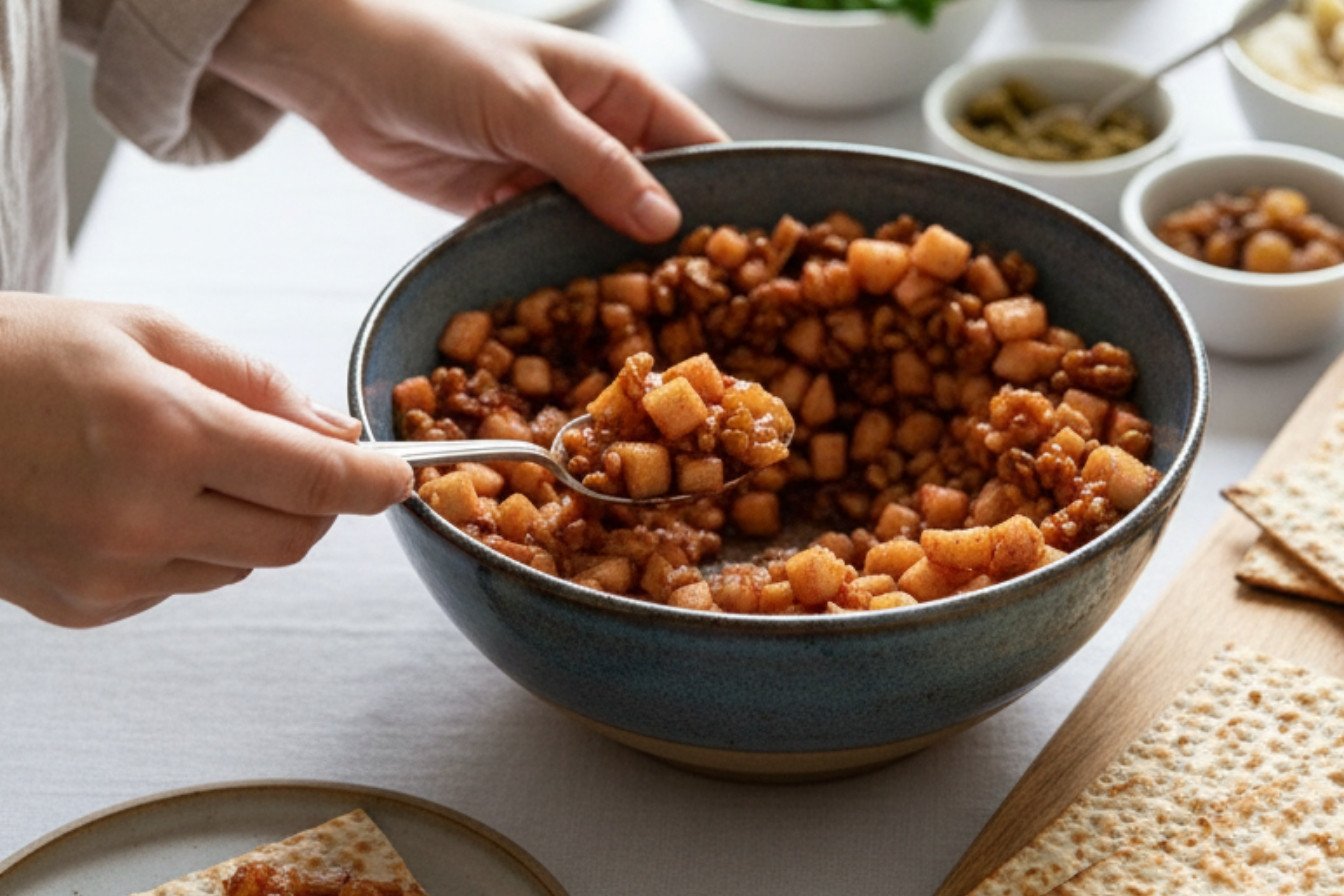
Traditional Apple-Walnut Charoset. This classic Ashkenazi charoset recipe is “just like Bubbe used to make,” with chunky chopped apples and walnuts, drenched in sweet Malaga wine and warmed up with a touch of cinnamon.
Ingredients
Instructions
- Peel, core, and finely chop the apples. For the best texture, dice them by hand. Alternatively, you can pulse them in a food processor, being careful not to overprocess into a puree.
- Finely chop the walnuts.
- In a medium mixing bowl, combine the chopped apples and walnuts.
- Add the sweet red wine, packed light brown sugar, and ground cinnamon to the bowl.
- Stir all ingredients together until well combined and the apples are evenly coated.
- Serve immediately, or cover and refrigerate until ready to serve. The flavors will meld as it sits.
Notes
- For the most even texture, we recommend dicing the apples by hand. However, to save time, they can be chopped in the food processor—just be careful not to overprocess.