


My First Taste of Rome
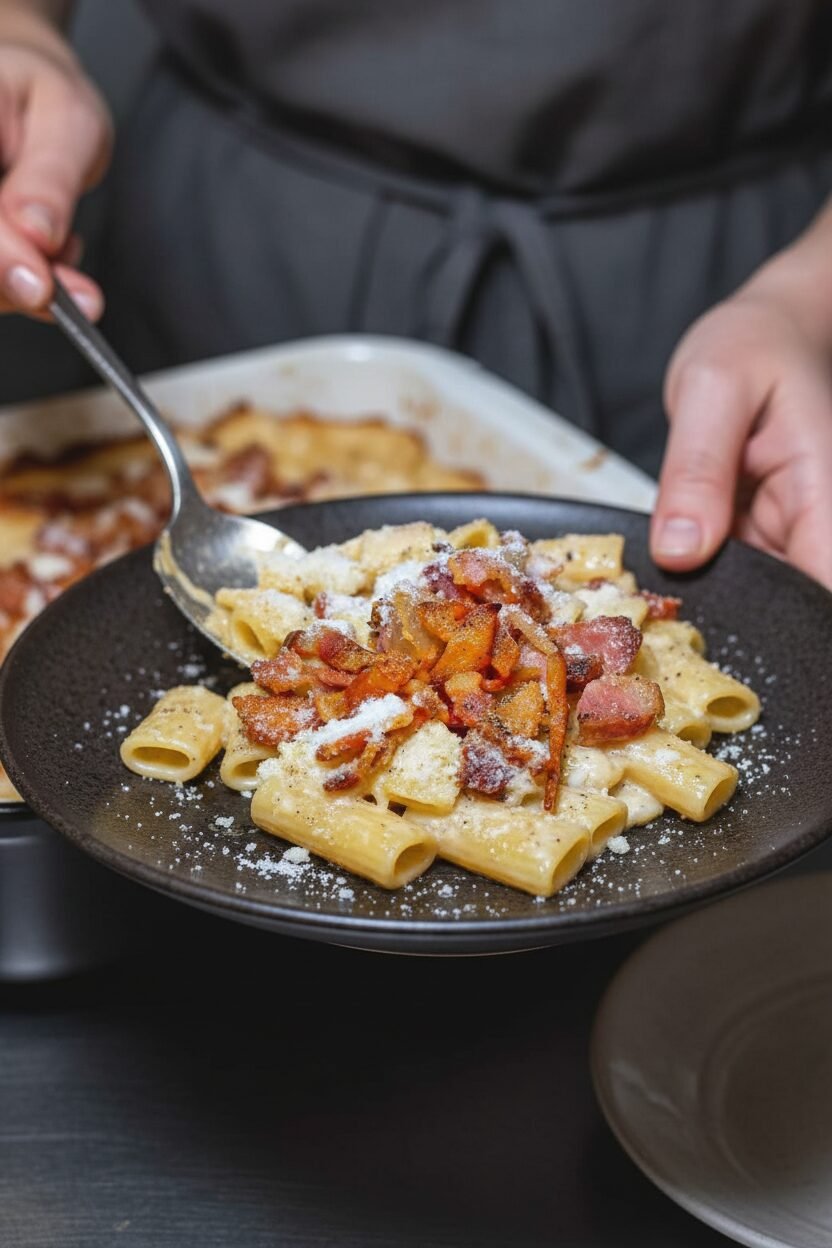
I tried Pasta alla Gricia in a tiny Roman restaurant. The waiter placed the bowl down. It smelled like smoky pork and sharp cheese.
I took one bite. It was so simple, but so powerful. It taught me that real flavor needs no fancy tricks. That is the heart of traditional Roman cuisine.
What is Pasta alla Gricia?
Think of it as a cousin to famous dishes. It is like Cacio e Pepe and Carbonara, but simpler. You only need four things: pasta, guanciale, pepper, and cheese.
This is one of the great underrated pasta dishes. It is all about the quality of those few ingredients. When they come together, magic happens in your bowl.
The Star of the Show: Guanciale
Guanciale is cured pork cheek. It is the key to an authentic Italian pasta recipe. It fries up so crispy and gives the dish its special flavor.
My grandkids always ask for “the crispy bits.” I still laugh at that. *Fun fact: Guanciale has more flavor than bacon because of where it comes from on the pig.* Cooking it slowly renders its fat. That fat becomes our sauce!
How to Make the Magic Happen
This is an easy Italian pasta to make at home. The secret is in the mixing. You must add the cheese slowly off the direct heat.
Use the hot pasta water. It helps the cheese melt into a creamy, peppery pasta sauce. Doesn’t that smell amazing? It is not hard, but it matters. This step turns ingredients into a creamy dream.
Why This Dish Matters
Roman pasta recipes like this tell a story. They are about making a lot from a little. They are about patience and care.
Every time I make it, I remember that Rome trip. It connects my kitchen to a bigger world. That is the real joy of cooking.
Your Turn in the Kitchen
Now you know how to make Pasta alla Gricia. It is a perfect weekend project. Which pasta shape will you try first? I love thick spaghetti for this.
Have you ever cooked with guanciale before? Tell me about it! And what is your favorite under-the-radar pasta dish? I am always looking for new ideas to try.
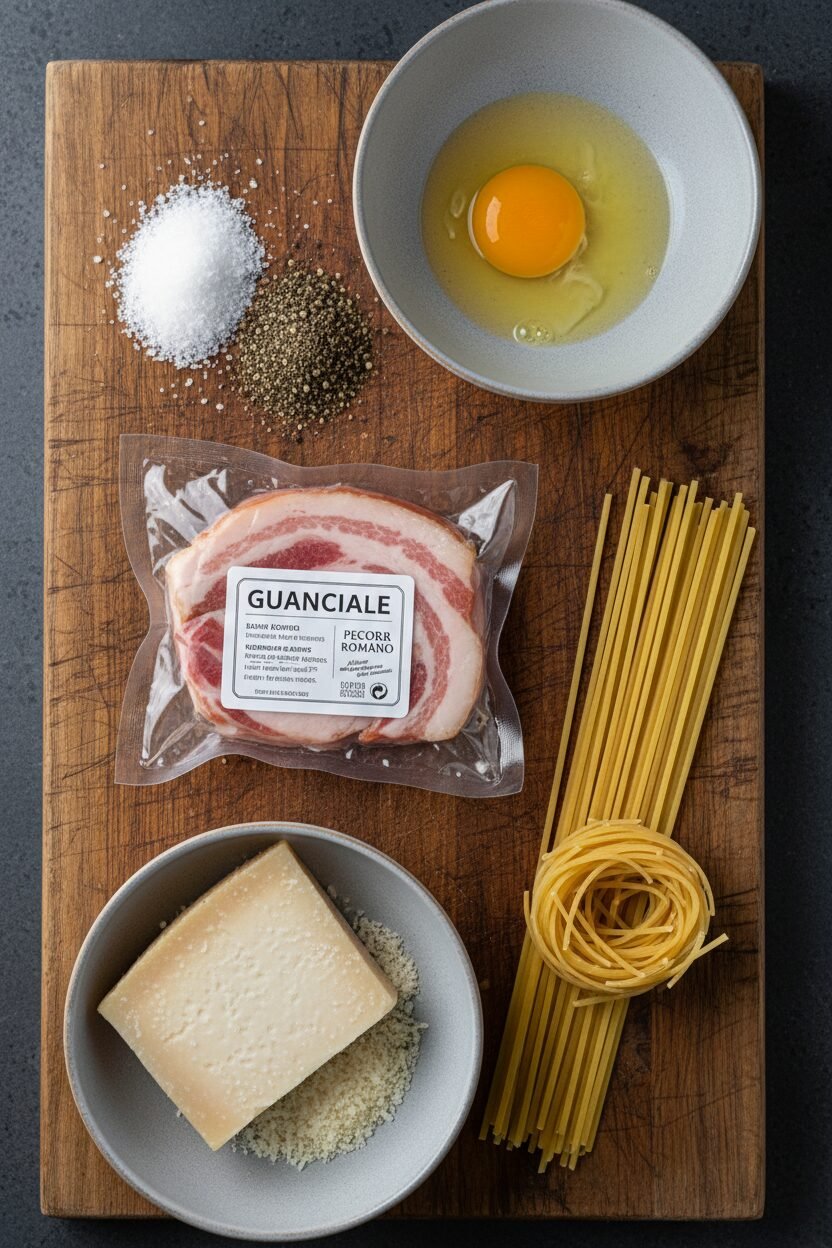
Ingredients:
| Ingredient | Amount | Notes |
|---|---|---|
| Guanciale | 10 oz | Remove the tough outer rind before slicing. |
| Kosher salt | 1/2 tablespoon | For the pasta cooking water. |
| Freshly ground black pepper | 1 teaspoon | |
| Uncooked pasta (mezzi rigatoni, rigatoni, thick spaghetti or bucatini) | 16 ounces | |
| Pecorino Romano | 4 ounces | Finely grated. |
Instructions
Step 1: First, prepare your guanciale for this authentic Italian pasta recipe. Slice off the tough rind. Then cut the slab into little strips. I love the smell of it already sizzling.
Step 2: Get your pasta water boiling with the salt. Add your pasta to cook. (Save that precious pasta water for later!) As it cooks, start your guanciale in a dry pan. Cook it until it’s crispy and golden.
Step 3: Drain the pasta, but keep the water hot. Add the pasta right to the pan with the guanciale and fat. Toss it all with lots of black pepper. Doesn’t that smell amazing?
Step 4: Now for the magic! Move everything to a big bowl over the pasta pot. Add your grated Pecorino cheese a little at a time. (The key is to toss fast so it gets creamy, not clumpy!) Keep adding splashes of pasta water and mixing.
Step 5: Mix until you have a creamy, dreamy sauce coating every piece. This is how to make Pasta alla Gricia perfectly. Do you think this is easier than Cacio e Pepe and Carbonara? Share below! Serve it right away on a warm plate. Enjoy your traditional Roman cuisine!
Creative Twists
Add a sunny-side-up egg on top for extra richness. Mix in some fresh peas for a sweet, colorful pop. Use a different pasta shape like campanelle to catch more sauce. Which one would you try first? Comment below!
Serving & Pairing Ideas
This easy Italian pasta at home is a full meal. But a simple green salad on the side is lovely. I also like a sprinkle of extra pepper on top. For a real Roman pasta recipes night, enjoy it with a cool glass of water. It’s the best underrated pasta dish. Which would you choose tonight?
Keeping Your Gricia Just Right
Let’s talk about storing this lovely dish. Pasta alla Gricia is best eaten right away. But life happens. You can store leftovers in the fridge for two days. Use a tight-lid container. The sauce might soak into the pasta. That’s okay.
I remember my first time. I made too much. I put it in a big bowl with a plate on top. It dried out. Now I use a proper container. It makes all the difference. Have you ever tried storing it this way? Share below!
You should not freeze this creamy peppery pasta. The cheese sauce can become grainy. Batch cooking is smart for the guanciale. Cook the full amount. Then store the crispy bits in the fridge for a week. This saves you time next meal. Storing food well means less waste. It also means a quick, tasty dinner is always close by.
Three Little Hiccups and How to Fix Them
Home cooks face common issues. First, the guanciale isn’t crispy. You must cook it on medium heat. Do not rush it. Let the fat render slowly. I once turned the heat too high. The outside burned but the fat stayed soft. Patience gives you perfect crispy bits.
Second, the cheese clumps. Your pasta or bowl might be too hot. Always mix in a metal bowl off direct heat. Add the pecorino a little at a time. Third, the sauce is too thick. Do not be shy with the pasta water. Add it a half ladle at a time. It will become silky.
Fixing these issues matters. It builds your cooking confidence. You learn how ingredients behave. It also makes the flavor perfect. Every bite will be creamy and balanced. Which of these problems have you run into before?
Your Quick Questions, Answered
What is the difference between pasta gricia and carbonara?
Pasta alla Gricia and Carbonara are both traditional Roman pasta recipes. Gricia has just guanciale, pecorino, and pepper. Carbonara adds eggs to that mix. The eggs make carbonara richer and more custardy. Think of gricia as the simpler, peppery cousin. It is part of the family with Cacio e Pepe and Carbonara. Each is delicious in its own way.
How do you make guanciale crispy for pasta?
Start with a cold, dry pan. Add your thin guanciale strips. Turn the heat to medium. Cook for 5-6 minutes. Do not stir too much at first. Let the fat render out. The pieces will become a deep golden brown. They will get crispy. Drain some fat if needed. Then add pasta water to stop the cooking. This keeps them perfect.
What cheese is traditionally used in pasta gricia?
Pecorino Romano is the only cheese for an authentic Italian pasta recipe. It is a hard, salty sheep’s milk cheese. You must grate it very finely. This helps it melt smoothly into the sauce. It mixes with the guanciale fat and pasta water. That mix creates the creamy sauce. No other cheese gives the same sharp, traditional flavor.
Can you use pancetta instead of guanciale in gricia?
You can use pancetta if you cannot find guanciale. Pancetta is Italian pork belly. Guanciale is from the pork cheek. It has more fat and a richer taste. Pancetta will still make a tasty dish. But for a true traditional Roman cuisine experience, guanciale is best. It is the heart of this underrated pasta dish.
What pasta shape is best for pasta gricia?
Use a shape that holds the sauce. Rigatoni or mezzi rigatoni are excellent. Thick spaghetti or bucatini work well too. The sauce clings to their ridges and holes. This ensures every bite has creamy sauce and crispy guanciale. The right pasta makes this easy Italian pasta at home even better. *Fun fact: Bucatini is like spaghetti with a tiny hole running through it!*
How do you prevent the eggs from scrambling in pasta gricia?
This recipe for Pasta alla Gricia has no eggs. That is the key difference from carbonara. If you were making carbonara, you would temper the eggs. You mix them with cheese off the heat. Then you add hot pasta slowly. For this guanciale pasta recipe, you only worry about cheese and pepper. No scrambling risk here! Which tip will you try first?
From My Kitchen to Yours
I hope you love this recipe. Pasta alla Gricia is a true comfort food. It is simple but so full of flavor. Making it connects us to Roman kitchens far away. I feel that every time I make it.
I would love to hear about your cooking adventure. Did your family enjoy it? Did you find guanciale at your store? Your stories make my day. Have you tried this recipe? Please tell me all about it in the comments below. I read every one.
Happy cooking!
—Danielle Monroe.

Crispy Guanciale Creamy Pasta Gricia
Description
Experience the rich, authentic flavors of Rome with this Pasta Gricia, featuring crispy guanciale and a creamy, emulsified Pecorino Romano sauce.
Ingredients
Instructions
- Remove the tough outer rind from the guanciale. Slice the guanciale into ½ inch thick slabs, then into thin strips.
- Bring a pot of boiling water (5 quarts) to a boil. Add the kosher salt and add the pasta of choice. Cook until al dente. Keep the pasta water hot over low heat after transferring the pasta in step 4.
- As soon as the pasta is cooking, to a dry nonstick pan, add the guanciale. Turn the heat to medium high and cook the guanciale for 5-6 minutes until the guanciale is a deep golden brown and crispy and the fat has rendered. Use paper towels to drain excess guanciale fat leaving about 3/4 cup. Turn off the heat and add a ladle full of pasta water to the pan to stop the guanciale from cooking further.
- Add the strained pasta directly to the pan along with the pepper. Mix until well coated. Transfer everything to a large metal mixing bowl and place it over the steaming pasta water that’s over low heat.
- Add the pecorino cheese a few handfuls at a time, mixing and tossing so that the cheese emulsifies with the pasta water and guanciale fat. Mix, then continue adding 1/2 ladle full of pasta water at a time and mix to loosen the sauce. The result should be a creamy, emulsified sauce. Serve on a warm plate and enjoy.
Notes
- For the best results, use high-quality guanciale and freshly grate the Pecorino Romano. Reserve plenty of starchy pasta water to achieve the perfect creamy emulsion.