


My Easter Table Secret
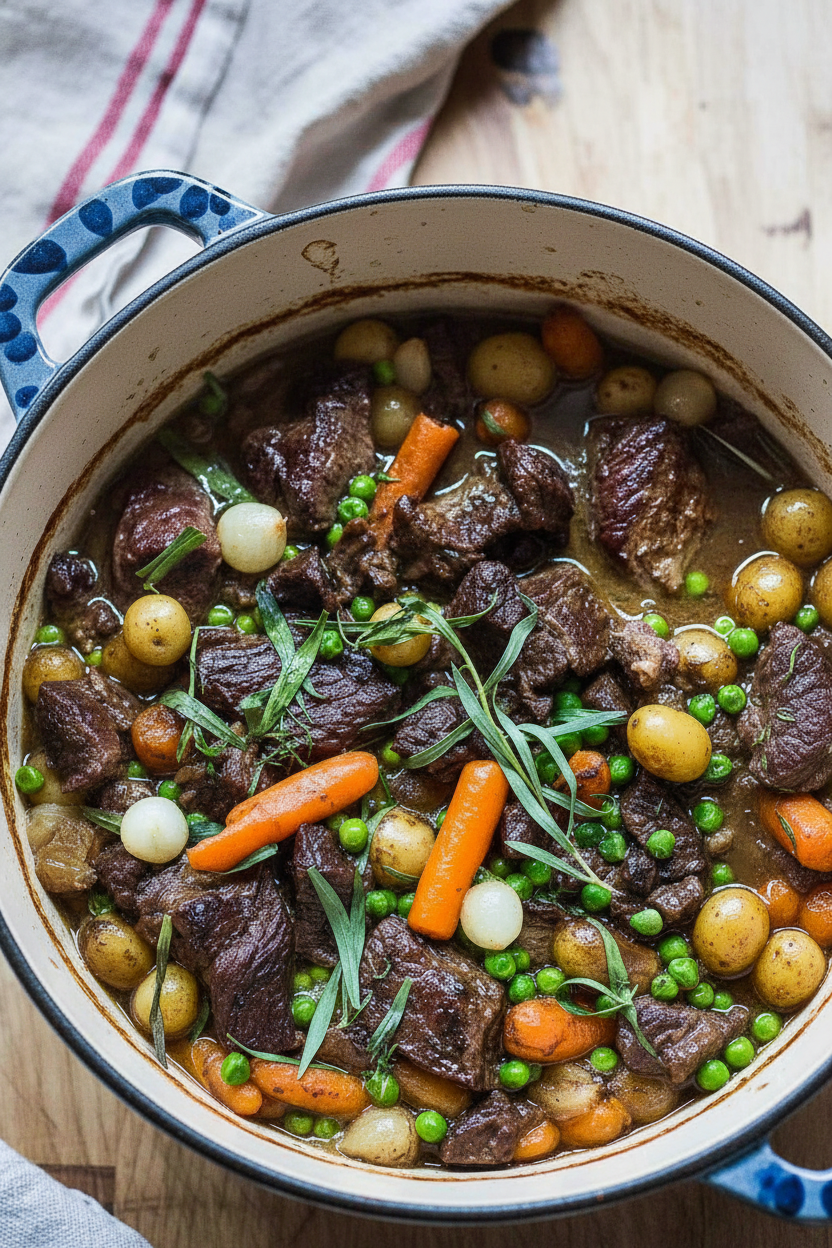
This stew is my favorite Easter dish. I make it every year. It fills the whole house with a warm, happy smell. The lamb gets so soft it falls apart. The potatoes soak up all that good flavor. Doesn’t that smell amazing? My grandson once called it “spring in a bowl.” I still laugh at that. But he is right. The green peas and carrots look so cheerful. This meal matters because it brings everyone to the table. We share stories while we eat. What is your favorite food that makes you think of spring?Why We Brown the Meat
Do not rush the browning step. I know it is tempting. But trust your grandma here. Take your time. Brown the lamb pieces in batches. Get them nice and golden on all sides. This is not just for color. *Fun fact:* Browning creates little tasty bits in the bottom of the pot. Those bits give the whole stew a deeper, richer flavor. It is the secret to a good stew. This matters because flavor is built in layers, just like a good story.The Magic of the Pot
I use my old Dutch oven. It is heavy and trusty. You brown the meat and cook the veggies in it. Then, you add the broth and put the whole pot in the oven. Everything cooks together slowly. One year, my oven stopped working right in the middle of cooking. Oh, I was worried! So I just kept the pot on the stove on very low heat. It worked just fine. The lamb still became fork-tender. Do you have a favorite pot or pan you always use?The Final Touch
When the stew comes out of the oven, do one more thing. Skim off the extra fat from the top with a spoon. Then taste the broth. Does it need a little more salt or pepper? Sometimes I add a tiny splash of Worcestershire sauce. It is my little trick. It makes the flavor pop. Then stir in the bright green peas. They cook fast and add a sweet freshness. This last step matters. It turns good food into something special.Gather and Share
Ladle the stew into big bowls. Do not forget the fresh herbs! Tear some tarragon or parsley over the top. It looks pretty and tastes fresh. Food is best when shared. This stew makes plenty for a family. It even tastes better the next day. What is a meal your family loves to share on holidays? I would love to hear about your traditions.Ingredients:
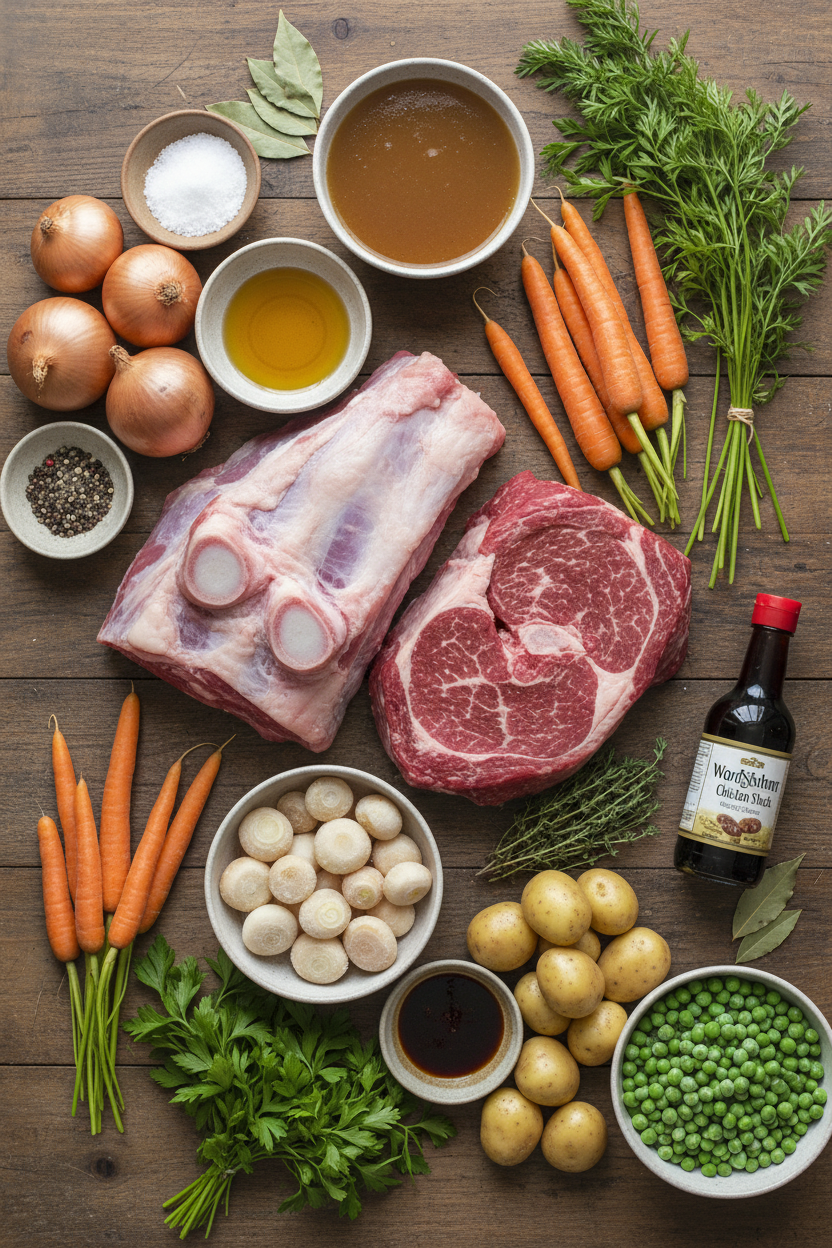
| Ingredient | Amount | Notes |
|---|---|---|
| Lamb shoulder (or beef chuck roast) | 3 pounds | Cut in 2-inch chunks |
| Salt and pepper | To taste | For seasoning |
| Oil | 3–4 tablespoons | |
| Frozen peeled cipollini onions (or medium onions) | 1 pound (or 3 medium) | If using medium onions, cut into wedges |
| Baby carrots (or medium carrots) | 1 pound (or about 6 medium) | If using medium, cut in 3-inch lengths |
| Baby potatoes | 2 pounds | 1-2 inch in diameter |
| Chicken broth or stock | 4 cups | |
| Fresh thyme (or sprigs) | 1 tablespoon (or 3 sprigs) | |
| Bay leaves | 2 | |
| Frozen or fresh peas | 1–2 cups | Optional, for color |
| Worcestershire Sauce | Splash | Optional, for more depth |
| Fresh tarragon leaves or flat-leaf parsley | 1 tablespoon | For garnish |
Instructions
Step 1: First, get your oven nice and warm. Set it to 350 degrees. Pat your lamb chunks dry with a paper towel. Sprinkle them well with salt and pepper. I always do this right on the cutting board. Doesn’t that smell amazing already?
Step 2: Now, let’s brown the lamb. Heat some oil in your big pot. Cook the meat in batches until it’s brown all over. This gives our stew such good flavor. (Don’t crowd the pot, or it will steam!) Set the lovely brown meat aside for a minute.
Step 3: Next, cook the onions and carrots in that same pot. They soak up all the tasty bits from the lamb. Cook them until they smell sweet. Then, put the lamb back in. Add your potatoes and broth. Toss in the thyme and bay leaves.
Step 4: Cover the pot tightly and put it in the oven. Let it bake for about an hour and a half. The lamb should become so tender. You can pull it apart with a fork. What’s your favorite cozy smell from the kitchen? Share below!
Step 5: Finally, stir in the peas for a pop of green. Cook for ten more minutes. Skim off any extra fat from the top. Give it a taste. A little Worcestershire sauce is my secret here. Ladle it into big bowls and sprinkle with fresh herbs.
Creative Twists
Spring Herb Swap: Use fresh dill instead of tarragon. It tastes like sunshine. Root Vegetable Mix-Up: Try parsnips or turnips with the carrots. So sweet and earthy. Biscuit Topper: Drop spoonfuls of biscuit dough on the stew before baking. A fluffy surprise! Which one would you try first? Comment below!Serving & Pairing Ideas
This stew is a whole meal in a bowl. But a warm, crusty loaf of bread is perfect for dipping. A simple green salad on the side is lovely, too. For a special touch, sprinkle extra fresh herbs on top. It makes everything look so pretty. Which would you choose tonight?
Making Your Stew Last
Let’s talk about keeping your stew happy. Cool it completely before storing. I ladle mine into glass containers. It keeps in the fridge for four days. For the freezer, use airtight containers. Leave an inch of space at the top. It will be good for three months.
This stew is perfect for batch cooking. I always make a double pot. It means a cozy meal is ready on a busy night. I remember my first big batch. My freezer was full of little stew treasures. It felt like a gift to my future self.
To reheat, thaw frozen stew in the fridge overnight. Warm it gently on the stove. Add a splash of broth if it seems thick. This careful storing matters. It saves you time and reduces food waste. Have you ever tried storing it this way? Share below!
Three Little Stew Fixes
Even grandmas face cooking troubles. Here are three common ones. First, your stew tastes bland. The fix is simple. Add more salt, a little at a time. Taste after each pinch. Salt makes all the other flavors sing.
Second, the meat is tough. This means it needs more time. Just let it simmer longer. I once took my stew out too early. Another thirty minutes made it perfect. Patience is your best kitchen tool.
Third, the vegetables are mushy. Add your softer veggies, like peas, at the very end. They only need minutes to cook. Fixing these issues builds your confidence. It also makes your food taste just right. Which of these problems have you run into before?
Your Quick Questions, Answered
What is the best cut of lamb for stew?
Lamb shoulder is the best cut for stew. It has wonderful flavor and marbling. This fat melts during the long, slow cooking. It makes the meat incredibly tender and juicy. Other cuts can dry out. Shoulder turns soft and falls apart nicely. It is the traditional choice for a reason.
Can I make spring lamb stew in a slow cooker?
Yes, you can use a slow cooker. Brown the lamb first for the best flavor. Then add everything except the peas to the pot. Cook on low for seven to eight hours. Add the peas in the last thirty minutes. This gentle cooking makes the lamb very tender. It is a great hands-off method.
What herbs go well with lamb and potato stew?
Thyme, bay leaves, and rosemary are classic with lamb. They are earthy and strong. They stand up to the rich meat. Fresh parsley or tarragon added at the end give a bright finish. *Fun fact: Tarragon has a gentle anise flavor that pairs beautifully with spring lamb.* Start with these. You can always experiment later.
How do I thicken lamb stew without flour?
You can thicken stew without flour. Mash some of the cooked potatoes against the pot’s side. Stir them back into the broth. They will naturally thicken the stew. You can also let the stew simmer uncovered for ten more minutes. The extra evaporation will make the broth richer and thicker.
Can I use leftover lamb for stew?
You can use leftover cooked lamb. Chop it into bite-sized pieces. Add it to the pot near the end of cooking. Just warm it through for about ten minutes. This prevents it from becoming tough and dry. It is a wonderful way to give holiday leftovers a delicious new life.
What vegetables can I add to lamb and potato stew?
Carrots, onions, and peas are standard. But you can add others. Try chopped celery or parsnips with the carrots. Mushrooms add a deep, savory note. Leafy greens like spinach can be stirred in at the end. Use what you have. Which tip will you try first?
From My Kitchen to Yours
I hope you love making this stew. It is a hug in a bowl. The smells will fill your home with warmth. Cooking is about sharing and creating memories. I would love to hear about your experience in the kitchen.
Tell me all about it. Did your family enjoy it? Did you add your own special touch? Your stories are my favorite thing to read. Have you tried this recipe? Please share your thoughts in the comments below.
Happy cooking!
—Elena Rutherford

Spring Lamb and Potato Stew
Description
A hearty and comforting stew featuring tender lamb, baby potatoes, and carrots, slow-cooked to perfection.
Ingredients
Instructions
- Preheat oven to 350F.
- Pat lamb dry and sprinkle generously with salt and pepper.
- Heat oil in a heavy-bottomed oven-proof Dutch oven over medium-high heat. Brown meat on all sides in batches, taking your time to do it well.
- Set the meat aside and add onions and carrots to the pot, lowering the heat to medium, adding more oil if necessary. Season generously with salt and pepper and continue cooking 6-8 minutes.
- Return the meat to the pot, add the potatoes and broth, and bring to a simmer. Add thyme and bay leaves.
- Cover tightly, and bake for 1 ½ hours or until the lamb is fork-tender. Alternatively, you can continue to simmer on low heat on the stovetop.
- Once the meat is tender, uncover, add peas, and cook 10 more minutes. Skim any fat from the top of the broth using a ladle or spoon. Taste, adjust salt and pepper. A splash of Worcestershire works here, too, if you want more depth.
- Ladle into bowls and garnish with fresh tarragon or parsley.
Notes
- For a richer stew, you can use beef broth instead of chicken. The stew tastes even better the next day as the flavors continue to meld.