


My First Pickle Surprise
I still laugh at the first time I made pickles. I was so nervous, I kept checking the jar every hour. Does that sound silly? My grandma laughed and told me to just let them sit. Pickles, like people, need time to become who they are. That waiting taught me a good lesson about patience.
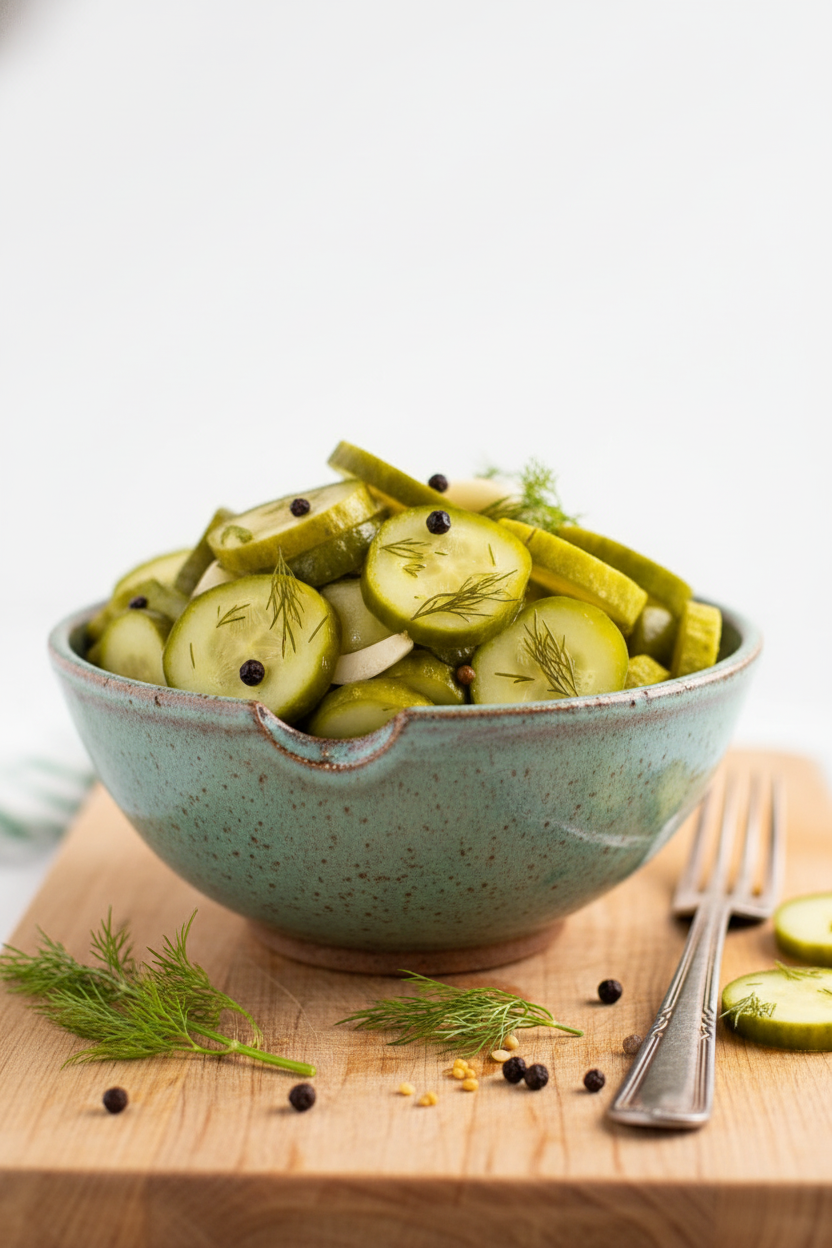
Now, I make these easy refrigerator dill pickles all summer long. No fancy equipment needed, just a jar and some simple ingredients. You can slice your cucumbers any way you like. Slices for sandwiches, spears for snacking, or whole ones for a big crunch.
Why Simple Ingredients Matter
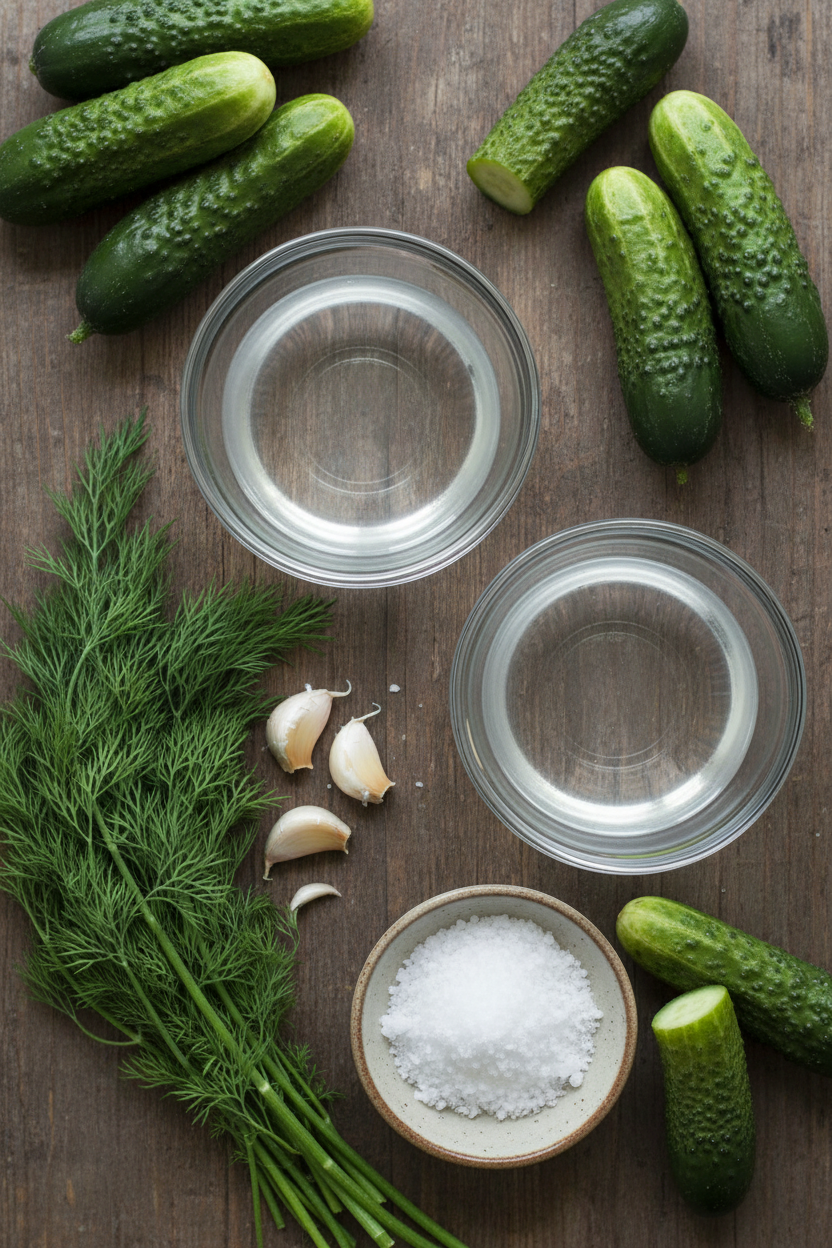
The magic of this recipe comes from just a few things. Water, vinegar, dill, garlic, and salt. That is it. If you have at least 5% acidity in your vinegar, you are good to go. Apple cider vinegar works great and gives a softer flavor.
This matters because you control exactly what goes into your food. No weird chemicals or preservatives. Just real, honest ingredients you can name. Doesn’t that feel good? What kind of vinegar do you usually keep in your pantry?
The Simple Trick for Perfect Pickles
Here is a little secret that changed everything for me. You must use canning salt or kosher salt. Regular table salt has an additive that makes the brine cloudy. Cloudy brine is not bad, but clear is prettier. So stick with the good stuff for the best look.
This matters because the salt does more than just add flavor. It helps keep your pickles crisp. Nobody likes a soggy pickle, right? *Fun fact: Pickling salt dissolves faster than table salt, which helps your pickles get ready in just a few days.*
A Small Anecdote About Dill
I remember one summer when my dill plant took over the whole garden. It grew taller than my youngest grandson. He called it the pickle tree. I had fresh dill coming out of my ears. So I made batch after batch of these pickles.
If you do not have fresh dill, do not worry. Use half a teaspoon of dried dill per jar. It still tastes wonderful. The garlic is the same way. Fresh is best, but dried minced garlic works in a pinch. Have you ever grown dill in your own garden?
How Long Do They Take
This is the best part about refrigerator pickles. They are ready fast. Slices and spears are good to eat after just two or three days. Whole pickles take a little longer, maybe five or six days. You will know they are ready when the color changes and they smell like a pickle.
This matters because you do not need to wait for weeks like old-fashioned canned pickles. You can have fresh, crunchy pickles while the cucumbers are still in season. That is a beautiful thing. What is your favorite pickle shape to snack on?
Storing and Sharing Your Pickles
Keep your pickles in a closed jar in the fridge. They will stay good for up to one month. I like using small pint jars because they are easy to grab and share. Give a jar to a neighbor or take some to a picnic. Pickles make everyone smile.
I hope you try this recipe and fill your fridge with crunchy goodness. It is a small thing that brings a lot of joy. Let me know how your batch turns out. Did you add any extra spices or keep it simple like I do?
Ingredients:
| Ingredient | Amount | Notes |
|---|---|---|
| Pickling cucumbers | As needed | Slice, leave whole, or cut into spears |
| Water | 3 cups | |
| White vinegar (5% acidity) | As needed for brine | Substitute apple cider or cider vinegar if desired |
| Fresh dill | As needed per jar | Substitute ½ tsp dried dill per jar if needed |
| Garlic (fresh cloves) | As needed per jar | Substitute ½ tsp dried minced garlic per clove in a pinch |
| Canning salt | As needed | Kosher salt can be used as substitute |
Instructions
Step 1: Wash your cucumbers well. Slice them into rounds, spears, or leave them whole. (If you use whole cucumbers, they need an extra 2-3 days to soak up the brine.)
Step 2: In a pot, stir together 3 cups of water, 1 cup of white vinegar, and 2 tablespoons of canning salt. Bring it to a boil until the salt dissolves. Doesn’t that smell amazing?
Step 3: Pack your cucumbers into a clean jar. Add a few sprigs of fresh dill and 2 cloves of garlic. (Fresh garlic gives the best crunch, but dried minced garlic works in a pinch.)
Step 4: Pour the hot vinegar brine over the cucumbers. Fill the jar to the top. Let the jar cool on the counter for about 30 minutes. I still remember watching the brine turn cloudy the first time I made these.
Step 5: Screw on the lid tight. Pop the jar in the fridge. Wait at least 24 hours before tasting. What is your favorite kind of pickle? Share below!
Creative Twists
… Add a pinch of red pepper flakes for a spicy kick that wakes up your taste buds.
… Drop in a slice of fresh jalapeno for a smoky, mild heat that builds slowly.
… Toss in a clove of fresh garlic and a sprig of rosemary for an earthy, savory twist. Which one would you try first? Comment below!
Serving & Pairing Ideas
Serve these pickles alongside a juicy burger or a grilled cheese sandwich. The crunch and tang cut through the richness perfectly. You can also chop them up and fold them into a simple potato salad for a pop of flavor. Or just eat them straight from the jar as a snack. Which would you choose tonight?
Why Fridge Pickles Love the Cold
These pickles are not for your pantry shelf. They live in the fridge, and that is just fine. The cold keeps them crisp and fresh for up to one month. I once forgot a jar in the back of my fridge for three weeks. They were still crunchy and delicious. That is why storing them in an airtight jar matters so much. It keeps the brine strong and the pickles happy.
Batch cooking these is easy and smart. Make a big jar of spears and a little jar of slices at the same time. That way you have snacks for a whole month. Just remember to write the date on the lid. You will thank yourself later. Have you ever tried storing it this way? Share below! The best part is you never waste a cucumber again. That is why this matters—you save money and food at the same time.
Three Pickle Problems (and Easy Fixes)
Sometimes your pickles turn out soft. That usually means the cucumbers were too old or the vinegar was too weak. Use firm, fresh cucumbers and vinegar with at least five percent acidity. I remember my first batch was mushy. I used old cucumbers from the back of the fridge. Never again. This matters because crunchy pickles are so much more fun to eat.
Another issue is bland flavor. You might not have used enough dill or garlic. Fresh dill is best, but dried works too. Just add a little extra. The third problem is waiting too long to eat them. They are best within the first two weeks. After that the texture changes. Which of these problems have you run into before? Fixing these small things makes you feel like a real pickle pro. That is why this matters—confidence in the kitchen starts with little wins.
Your Quick Questions, Answered
How long do homemade refrigerator pickles last? They stay good in the fridge for up to one month. Keep them in an airtight jar or mason jar. After that, the texture starts to soften. Always check for off smells before eating. If they smell fine, they are likely safe. But for the best crunch and flavor, eat them within the first two to three weeks.
Why are my refrigerator pickles soft or mushy? This usually happens for a few reasons. You might have used old or large cucumbers. Soft cucumbers lead to soft pickles. Another reason is not enough salt in the brine. Salt helps keep pickles crisp. Also, make sure your vinegar has at least five percent acidity. Fresh, firm pickling cucumbers and the right salt make all the difference.
Can I reuse the brine for another batch of pickles? You can, but the flavor will be weaker. The first batch soaks up most of the dill, garlic, and salt. The second batch will be less tangy and may not last as long. To be safe, only reuse brine once. Add a little fresh dill and garlic to boost the taste. Watch the clock—these pickles will only keep for about two weeks.
Do I need to boil the vinegar brine for refrigerator pickles? No, you do not have to boil it. A simple stir until the salt dissolves is enough. Boiling can make the pickles a little softer. Cold or room-temperature brine keeps them crunchier. Just mix the water, vinegar, and salt in a bowl or jar. Stir well, pour over your cucumbers, and pop the lid on. Easy and fast.
What are the best cucumbers to use for refrigerator pickles? Pickling cucumbers are the best choice. They are small, firm, and have fewer seeds. Look for Kirby cucumbers at the store. They stay crunchy much longer than regular salad cucumbers. If you cannot find them, use the smallest, firmest cucumbers you can. Avoid large, soft, or seedy ones. Firm cucumbers make firm pickles every time.
Can I add sugar to make sweet refrigerator pickles? Yes, you can absolutely add sugar. Start with one to two tablespoons per cup of brine. Stir it in with the salt until it dissolves. Taste the brine before pouring it over the cucumbers. If you like it sweeter, add a little more sugar. This turns your dill pickles into sweet and tangy bread-and-butter style pickles. Which tip will you try first?
*Fun fact: Cucumbers are 96 percent water, which is why salt is so important for keeping them crisp.*
A Warm Goodbye from My Kitchen to Yours
I hope you feel ready to make your own crunchy pickles now. They are so simple and so rewarding. Every time I open a jar, I smile at the sound of that pop. Have you tried this recipe? I would love to hear how your batch turned out. Drop a comment and tell me your favorite way to eat them. Happy cooking!
—Grace Ellington.

My First Batch Homemade Refrigerator Pickles Guide
Description
Full Instruction: Slice the pickling cucumbers into whatever shape you like – slices, whole (trimmed), or spears. Or try all three! Note for whole dill pickles: You may need to add another 2-3 days onto the brining time to ensure they pickle all the way through. Finished pickles should be stored in an airtight container or mason jar in the refrigerator for up to 1 month. I like to use a pint jar for easy access, but if you want to use 2 quart jars or a half gallon jar that works too!
Ingredients
Instructions
- Slice the pickling cucumbers into whatever shape you like – slices, whole (trimmed), or spears. Or try all three! Note for whole dill pickles: You may need to add another 2-3 days onto the brining time to ensure they pickle all the way through.
- In a bowl, combine 3 cups of water, 1 cup of white vinegar, and 1 tablespoon of canning salt. Stir until the salt is fully dissolved to create the brine.
- Place the sliced cucumbers into a pint jar or a larger jar. Add fresh dill sprigs and smashed garlic cloves. Pour the brine over the cucumbers until fully submerged. Seal the jar and refrigerate for at least 2 days before eating. Finished pickles should be stored in an airtight container or mason jar in the refrigerator for up to 1 month.
Notes
- Vinegar: The white vinegar in this recipe can be substituted for any type of vinegar that has at least 5% acidity. Apple cider vinegar or cider vinegar are good choices, as they have a mild flavor. Dill: If you don’t have fresh dill you can substitute it for 1/2 teaspoon of dried dill per jar. Garlic: In a pinch you can substitute each clove of garlic for 1/2 teaspoon of dried minced garlic, although fresh is best. Canning salt: If you don’t have canning or pickling salt on hand you can use kosher salt instead.