


My First Taste of Sfogliatelle
I was nineteen, lost in Naples. A bakery scent pulled me in. The man behind the counter handed me a warm, flaky shell. I took a bite. The crisp layers shattered. Sweet ricotta filled my mouth. I still smile thinking about it. That moment made me a food writer for life.
This pastry is a labor of love. Each thin layer is rolled and buttered by hand. That is why it matters. The work turns simple flour and water into magic. It is like my triple-layer brownies. Every step builds something wonderful. Have you ever tried a pastry that surprised you?
The Heart of the Matter: The Filling
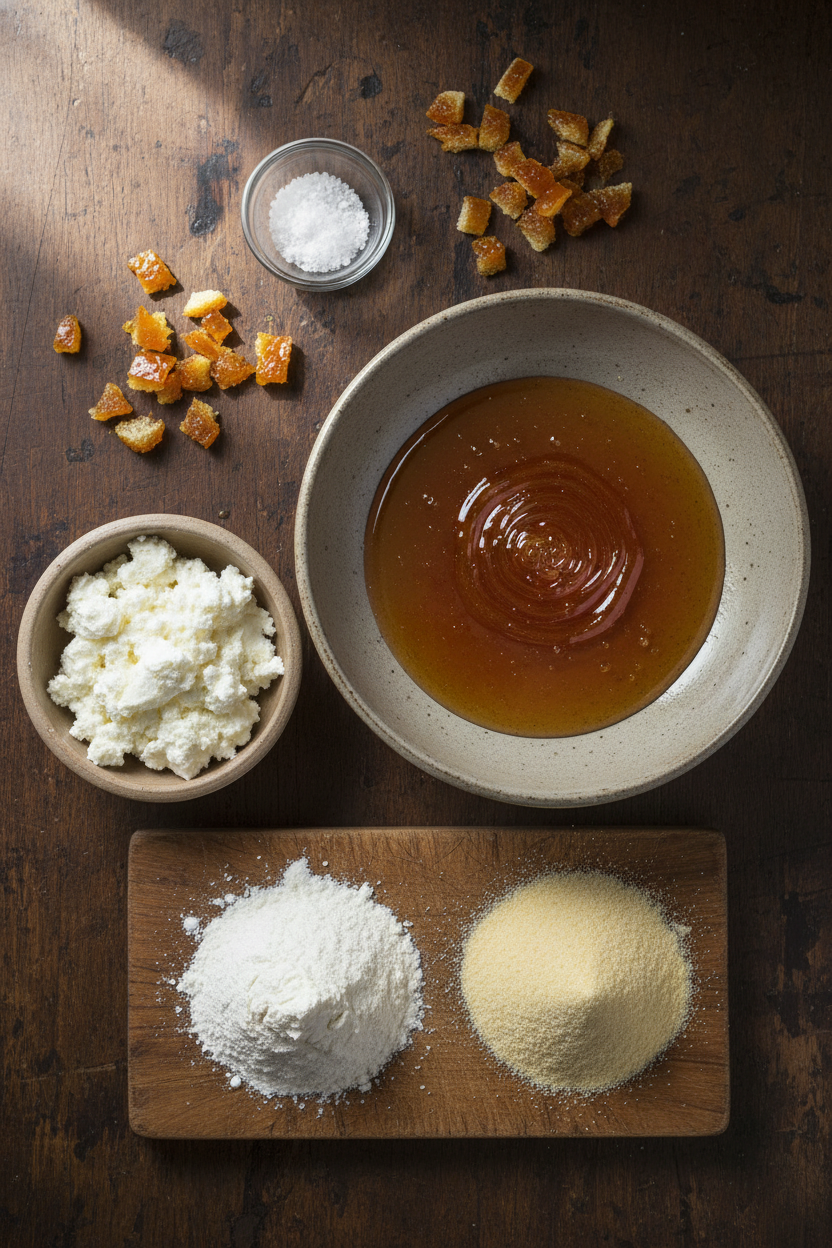
The filling is the cozy heart. You cook semolina into milk until it is thick. Then you fold in creamy ricotta. A bit of cinnamon and vanilla goes in. The candied orange peel is the best part. It gives little bursts of sunshine. Doesn’t that smell amazing?
*Fun fact: The original filling was made with leftover semolina from the monastery kitchen!* Using what you have is smart cooking. This creamy mix is perfect inside the crisp shell. It is a gentle flavor, not too sweet. It reminds me of the comfort in my pineapple loaf cake.
The Joy of Making Layers
Now, the layers. This is the fun part. You roll the dough very, very thin. Then you paint it with soft butter. You roll it up like a tight rug. Then you wrap another sheet around it. You will make one big, buttery log. It is messy and wonderful.
Chilling the log is key. It makes slicing easy. Why does this matter? Cold butter creates steam in the oven. The steam pushes the layers apart. That is how you get a thousand crispy leaves. It is the same magic that makes butter cookies so flaky. Do you enjoy hands-on baking like this?
Shaping and Baking Your Treasure
Take your chilled log. Slice it into rounds. Now, use your thumbs. Press the center of each slice to make a little cup. It might feel tricky. Do not worry. Every shell will be unique, like a seashell. Fill that cup with your ricotta heart. Pinch it closed.
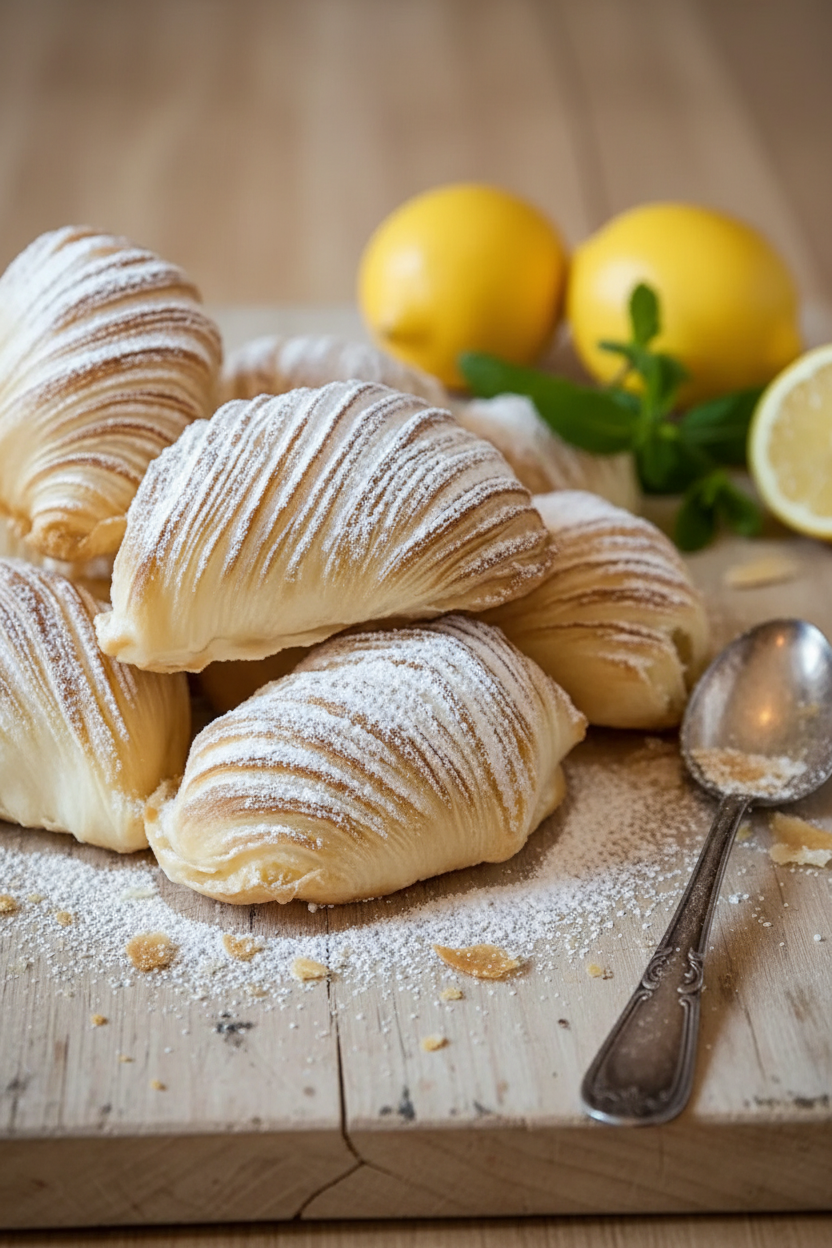
Into the oven they go. Watch them turn golden. The layers will puff and separate. They become all crunchy and light. The smell is pure happiness. Let them cool just a bit. A snow of powdered sugar on top finishes them. Would you eat one warm or let it cool completely?
A Treat Worth Sharing
These pastries are special. They are not for every day. Make them for a celebration. Or to show someone you care. Sharing food is how we share love. That is a truth I hold dear.
Each bite tells a story of patience. It is a story from a Neapolitan bakery. Now it can be your story too. Whether you are a fan of cheesecake bars or strawberry shortcake, this is a new adventure. I would love to hear if you try it. What is your favorite pastry to share with friends?
Instructions
Step 1: Mix your flour and salt in a big bowl. Slowly add the water and honey. You want a stiff dough. (A stiff dough makes those famous flaky layers later on!) Knead it on a floured counter for ten minutes. Wrap it up and let it nap in the fridge.
Step 2: Roll one dough piece through a pasta machine. Start on the widest setting. Fold and roll it again until it’s very thin. I think of it like smoothing a wrinkled sheet. Doesn’t that smell amazing with the honey?
Step 3: Brush melted butter all over your thin sheet. Roll it up tightly into a little log. Then, wrap another buttered sheet around it. This makes the magic shell. Why do we chill the dough log? Share below! It helps us slice it neatly later.
Step 4: Warm milk, sugar, and salt in a pan. Whisk in semolina until it’s thick. Let it cool. Then, stir in ricotta, egg, and your flavors. This creamy filling is the heart of your pastry. My kitchen smells like a sweet dream now.
Step 5: Slice your cold dough log. Use your thumbs to shape each slice into a little cup. Fill it with your ricotta mixture and pinch it closed. (Grease your fingers so the dough doesn’t stick!) Bake them until they are golden and beautiful.
Creative Twists
Lemon Zest: Add bright lemon zest to the filling instead of orange peel.
Chocolate Chip: Mix mini chocolate chips into the ricotta for a surprise.
Savory Herb: Skip the sugar, add herbs and cheese for a dinner roll.
Which one would you try first? Comment below!
Serving & Pairing Ideas
Dust your warm pastries with powdered sugar for a snowy look. They are perfect with a small, strong espresso. For a real treat, add a dollop of sweetened whipped cream on the side. I still laugh at how fast they disappear! You can find more of my baking stories on my site. Which would you choose tonight?
Keeping Your Sfogliatelle Fresh and Flaky
Let’s talk about storing these lovely pastries. They are best eaten the day you bake them. But you can keep them for two days in an airtight container. The fridge will make them lose their crispness. So I avoid it. The freezer is a better friend for longer storage.
You can freeze baked sfogliatelle for a month. Wrap each one tightly in plastic wrap first. Thaw them at room temperature when you are ready. Then warm them in a low oven for five minutes. This brings back some of that wonderful flakiness. I learned this the hard way with my first batch.
I once put a warm one in a box. The steam made the whole batch soggy. Now I always let them cool completely. Batch cooking the dough is a great idea. You can make the pastry roll ahead and freeze it. Slice and bake when you have guests. This saves so much time on a busy day.
Having a treat ready in the freezer matters. It means you can share something special anytime. It turns a regular Tuesday into a celebration. Have you ever tried storing it this way? Share below! For more make-ahead inspiration, see my triple-layer cookie brownie recipe.
Common Sfogliatelle Hurdles and Simple Fixes
Even experienced bakers face a few issues. Do not worry. The fixes are often simple. First, the dough might tear in the pasta machine. This usually means it is too dry. Just brush it with a tiny bit of water. Then fold and roll it again.
The second issue is butter leaking out while baking. This happens if you use too much between layers. I remember when my first tray had a buttery pool. A thin, even layer is the secret. Patience here makes the best flaky layers.
Finally, the filling can sometimes leak. The key is a good seal. Press the dough edges together firmly. Fixing these small problems builds your confidence. You learn how the dough should feel. This knowledge improves every pastry you make. Getting the layers right matters most. It creates that magical, shattering crispness. Which of these problems have you run into before? For another project that builds baking skills, try my glazed butter cookie recipe.
Your Quick Questions, Answered
What is the traditional filling for sfogliatelle?
The heart of a sfogliatelle is a sweet, creamy ricotta filling. It is mixed with semolina cooked in milk. This gives it a lovely texture. We add sugar, a bit of cinnamon, and candied orange peel. The orange peel is the classic touch. It gives a bright, sunny flavor that is truly special. This filling is a beloved tradition for a good reason.
Can I make sfogliatelle dough in a stand mixer?
You can start the dough in a mixer with a dough hook. This helps bring the ingredients together. But the final kneading is best done by hand. You need to feel the dough become smooth. This hands-on step ensures the right texture. Then you roll it through the pasta machine. The machine does the hard work of thinning it out for you.
What is the difference between sfogliatelle riccia and frolla?
Sfogliatelle riccia has the famous hundred crispy layers. It is the one we are making. Sfogliatelle frolla uses a soft, shortcrust pastry instead. It is more like a tender cookie shell. Both have a similar ricotta filling inside. Fun fact: “Riccia” means curly, which describes its beautiful, flaky look.
How do I get the layers in sfogliatelle pastry so thin?
A pasta machine is your best helper here. Start on the widest setting. Roll the dough, fold it, and roll it again. Do this many times until it is very smooth. Then move to thinner settings one by one. Go slowly and be patient. The final sheet should be almost see-through. This creates all those wonderful, separate layers.
Can sfogliatelle be made ahead of time?
Yes, you can prepare parts ahead. The filled, unbaked pastries freeze very well. Arrange them on a tray to freeze solid first. Then transfer to a bag. Bake them straight from the freezer. Just add a few extra minutes to the baking time. This way, you always have a fresh, impressive treat ready. For another great freezer-friendly dessert, check out my chocolate chip cheesecake bars.
Why did my sfogliatelle filling leak out during baking?
Leaking usually means the pastry was not sealed well. Make sure you pinch the edges together tightly. Do not overfill the shells either. Leave a small border of empty dough. Also, ensure your filling is thick, not runny. If it is too wet, it will push out during baking. A good seal keeps all that creamy goodness inside where it belongs. Which tip will you try first?
From My Kitchen to Yours
I hope you feel ready to make these beautiful pastries. Remember, your first try does not have to be perfect. The joy is in the making and sharing. I love hearing your stories in the comments. Tell me about your baking adventures. It feels like we are all cooking together.
Have you tried this recipe? Let me know how it went. You can find more about my kitchen philosophy on my bio page. For a simpler, but just as delicious, baking project, my pineapple loaf cake is always a hit.
Happy cooking!
—Elowen Thorn

A Pastry Chefs Homemade Sfogliatelle Recipe
Description
Master the art of making authentic, flaky sfogliatelle at home with this detailed pastry chef’s recipe, featuring a crispy layered shell and a sweet ricotta-semolina filling.
Ingredients
Instructions
- Combine Ingredients: In a large bowl, mix the flour and salt. Gradually add the water and honey to form a stiff dough, ensuring each grain is well integrated, adjusting with water as needed.
- Knead the Dough: Transfer the dough to a floured surface and knead it until it becomes smooth and supple, which will take about 10 minutes. Wrap it in plastic wrap and refrigerate for 30 minutes to allow it to rest.
- Roll Out Dough: Once chilled, divide the dough into four equal pieces. Roll one piece through a pasta machine, starting with the widest setting, folding it in half, and rolling again—repeat until you have smooth, thin sheets of around 1mm.
- Layer with Butter: Lay out each dough sheet on your surface and generously apply a thin layer of melted butter or lard over each one.
- Form Sausage Shape: Roll the first thin sheet tightly into a sausage shape, making sure it’s compact for a good layer structure.
- Wrap and Chill: Envelop the rolled sheet with the next thin sheet of dough, layering tightly to form one large cylinder. Cover it with saran wrap and chill in the refrigerator for 1 to 2 hours.
- Prepare the Filling: In a saucepan, combine milk, sugar, and salt over medium heat until it boils. Stir in the semolina flour until the mixture thickens and turns smooth. After cooling, transfer to a bowl and mix in the ricotta, egg, vanilla, cinnamon, and candied orange peel to create a smooth filling.
- Preheat the Oven: While the filling cools, preheat your oven to 375°F.
- Slice the Pastry: Take the chilled pastry roll and cut it into 1 cm-thick pieces. Use greased fingers to create a well in the center of each piece, forming a cone shape.
- Fill and Seal: Spoon the creamy filling into the hollow of each pastry, pressing the edges together to seal them tightly. Arrange them neatly on a baking tray lined with parchment paper.
- Bake to Perfection: Bake the pastries for about 30 minutes, or until they turn golden brown and flaky in texture.
- Finish with Sugar: Allow the sfogliatelle to cool for a couple of minutes before dusting with confectioner’s sugar.
Notes
- For best results, ensure the dough is rolled as thinly as possible and the butter is applied generously for maximum flakiness. The pastry roll must be well-chilled before slicing to maintain its layered structure.