


My First Bavarian Cream
I made my first Bavarian cream for a church picnic. I was so nervous. My hands shook when I added the hot milk to the eggs. But it worked. The dessert was a big hit. I still laugh at that memory.
This recipe feels fancy. But it is just a few simple steps. You cook a custard. Then you fold in whipped cream. The magic is in the gentle folding. That is what makes it so light and cloud-like.
The Quiet Magic of Gelatin
Let’s talk about the gelatin first. You sprinkle it over water. It looks like nothing is happening. But wait a few minutes. It turns into a wobbly, clear blob. This is called “blooming.”
This step matters. Blooming wakes the gelatin up. It makes sure your cream sets perfectly smooth. No one wants lumpy pudding. *Fun fact: Gelatin comes from animal collagen. It’s what gives marshmallows their bounce too!*
A Lesson in Patience
The hardest part is waiting. You must let the custard cool to room temperature. Do not put it in the fridge yet. If the gelatin sets too soon, it will be lumpy when you fold in the cream.
This is a good life lesson. Some things cannot be rushed. Good food needs time. While you wait, butter your molds. Doesn’t that smell amazing? Real butter has such a cozy smell.
The Gentle Fold
Now for the fun part. Your whipped cream is fluffy. Your custard is cool. Add a big spoonful of cream to the custard. Mix it in well. This loosens the custard.
Now add the rest of the cream. Use a big spatula. Gently lift from the bottom and fold over. Go slow. You want to keep all that air in the cream. This gentle touch matters. It keeps the dessert dreamy and soft. What’s your favorite fluffy dessert? Is it whipped cream or maybe meringue?
Time for the Big Reveal
After hours in the fridge, it is time. To unmold, run a thin knife around the edge. Or dip the mold in warm water for just three seconds. Place a plate on top and flip it over. Give it a little shake.
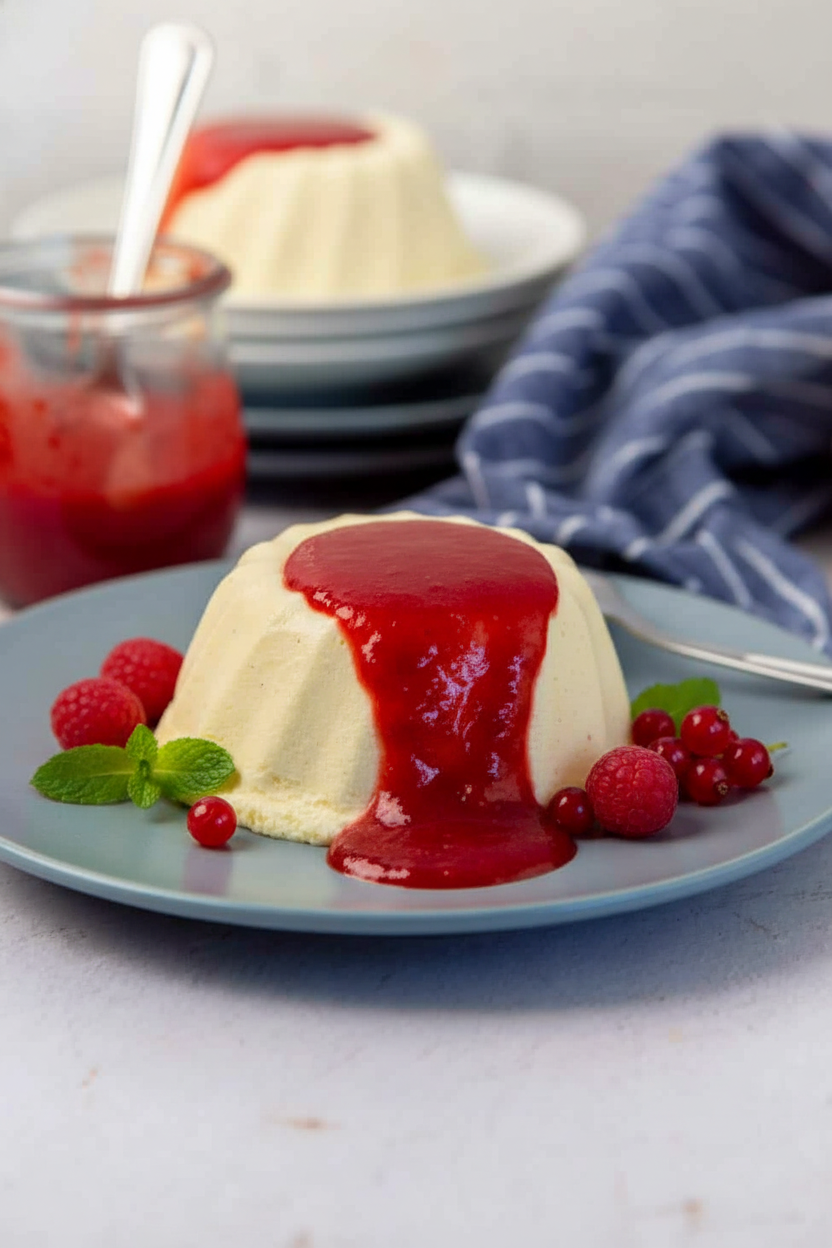
Lift the mold. There it is. A perfect, wobbly masterpiece. It always feels like a small miracle to me. Serve it with berries or a fruit sauce. Do you like yours plain or with a topping? Tell me your favorite way to serve it.
Ingredients:
| Ingredient | Amount | Notes |
|---|---|---|
| Gelatin powder | 5 tsp | |
| Water | 75 g (5 tbsp) | |
| Full-fat milk | 480 mL (2 cups) | |
| Egg yolks | 4 | from large eggs |
| White sugar | 100 g (½ cup) | |
| Sea salt | ¼ tsp | |
| Vanilla extract or vanilla bean paste | 1 tbsp | |
| Unsalted butter | 50 g | optional |
| Chilled heavy cream | 360 mL (1 ½ cups) |
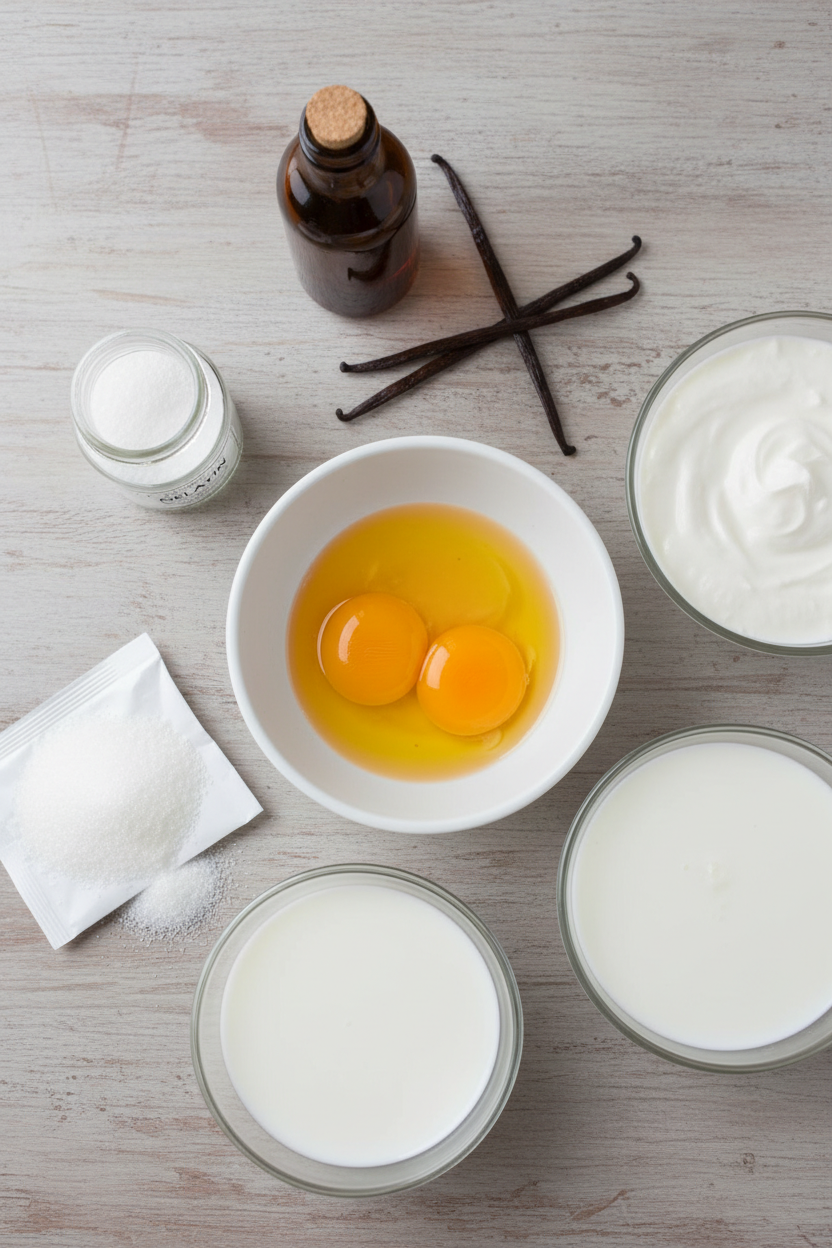
Instructions
Step 1: First, wake up your gelatin. Sprinkle it over the water and stir. It will look a bit lumpy. That’s okay. Let it sit for a few minutes. This step is like giving it a little nap before the big party.
Step 2: Now, warm your milk in a pot. Stir it so it doesn’t get a burnt bottom. You just want it steaming and cozy. Doesn’t that smell amazing? It reminds me of my own grandma’s kitchen.
Step 3: Whisk the egg yolks, sugar, and vanilla in a bowl. Keep whisking until it’s smooth and pale yellow. (A little pinch of salt makes the sweet taste even better). This part is fun, like mixing sunshine.
Step 4: Here’s the important part. Slowly pour some hot milk into the egg mix. Whisk fast! This keeps the eggs from scrambling. Then pour it all back into the pot. Why do we temper the eggs? Share below!
Step 5: Cook this custard on low heat. Stir, stir, stir with a spatula. It’s ready when it coats the spoon. (Run your finger through it; the line should stay). Pour it through a sieve to catch any bits. Let it cool on the counter.
Step 6: Whip your cold cream until it’s fluffy. Gently fold it into the cool custard. Be patient and gentle. Pour into your dishes and chill for hours. The waiting is the hardest part, I know!
Creative Twists
Swap the vanilla for a spoon of orange zest.
Layer it in a glass with fresh raspberries.
Add a tablespoon of cocoa powder to the warm milk.
Which one would you try first? Comment below!
Serving & Pairing Ideas
This cream is a dream on its own. But a berry sauce makes it extra special. Just simmer berries with a little sugar. You can also serve it with a simple cookie on the side. A dark chocolate shaving on top looks so pretty. It’s a fancy treat that’s secretly easy. Which would you choose tonight?
Keeping Your Bavarian Cream Happy
This cream loves a cold fridge. Cover it well with plastic wrap. This keeps flavors in and smells out. You can store it for three days.
I remember my first Bavarian cream. I left it uncovered. It tasted like onions the next day. What a sad dessert that was! Now I press the wrap right on the surface.
You can freeze it for a month. Thaw it overnight in the fridge. This is perfect for planning ahead. Batch cooking saves time for fun later.
Why does this matter? Good storage means less waste. It also means a sweet treat is always ready for you. Have you ever tried storing it this way? Share below!
Three Little Hiccups and How to Fix Them
First, a lumpy custard. This happens if the eggs cook too fast. Always whisk while adding the hot milk slowly. I once made sweet scrambled eggs by rushing.
Second, a cream that won’t set. Your gelatin may not have bloomed. Make sure every grain gets wet in the water. Let it sit for five full minutes.
Third, a deflated whipped cream. Your bowl or cream must be very cold. Whip it just until soft peaks form. Over-whipping makes it grainy.
Fixing these builds your kitchen confidence. It also makes your dessert silky and perfect. Which of these problems have you run into before?
Your Quick Questions, Answered
What is the best way to unmold panna cotta?
First, gently pull the edges away from the mold. This breaks the seal. Then, dip the mold bottom in hot water for three seconds. Dry it, place your plate on top, and flip. A quick shake should release it. If it sticks, dip it for one more second.
Can I make panna cotta without gelatin?
Yes, you can use agar-agar. It comes from seaweed. Use about one teaspoon of agar powder. Remember, it sets faster and firmer than gelatin. You must boil the mixture with agar to activate it. The texture will be slightly different but still delicious.
How do I prevent my panna cotta from being too rubbery?
Do not use too much gelatin. Measure carefully. Also, do not boil the mixture after adding gelatin. Too much heat hurts its setting power. The result can be rubbery. *Fun fact: The word “Bavarian” in this cream comes from France, not Germany!*
What can I use instead of vanilla bean in panna cotta?
Vanilla extract is a perfect swap. Use one tablespoon. Vanilla bean paste also works well. It has those lovely little seeds. For a different flavor, try almond extract. Just use half a teaspoon. It is much stronger than vanilla.
How far in advance can I make panna cotta?
You can make it two days ahead. This is great for parties. Keep it covered in the fridge. The flavor actually gets better overnight. Do not make it more than three days early. The texture may start to change after that.
Why did my whipped cream deflate or become grainy?
Your cream or bowl was likely not cold enough. Chill everything first. Also, stop whipping as soon as you see soft peaks. If you whip too long, the fat separates. This makes it look grainy and it will deflate when folded in.
Which tip will you try first?
From My Kitchen to Yours
I hope you love making this creamy dream. It is a special treat. Sharing it with family is the best part.
I would love to hear about your kitchen adventures. Tell me how it went for you. Your stories make my day brighter.
Have you tried this recipe? Leave a comment and let me know. Happy cooking!
—Grace Ellington.

Creamy Vanilla Panna Cotta with Whipped Cream
Description
A classic, elegant Italian dessert with a silky-smooth texture and rich vanilla flavor, lightened with whipped cream.
Ingredients
Instructions
- Bloom the gelatin. Sprinkle the gelatin powder over the water in a small bowl. Stir lightly to hydrate all of the gelatin and set aside.
- Heat the milk in a saucepan over medium/medium-high heat until steaming, stirring regularly to prevent burning.
- In a medium bowl, whisk the egg yolks, sugar, salt, and vanilla extract until smooth and pale.
- Remove the heated milk from the stove. Temper the eggs by slowly pouring about half of the hot milk in a thin stream into the egg mixture while constantly whisking.
- Pour the tempered egg mixture back into the saucepan with the remaining milk. Whisk well to combine.
- Cook the custard over medium-low or low heat, stirring constantly with a rubber spatula, until it thickens enough to coat the back of a spoon and reaches 180–185°F (82–85°C). This may take 4–10 minutes. Stir well, scraping the edges, sides, and bottom of the pan.
- Remove the custard from the heat. Whisk in the butter and the bloomed gelatin until completely dissolved.
- Pour the custard through a sieve into a large bowl. Let it cool to room temperature, stirring occasionally. Do not refrigerate, as the gelatin should not set at this stage.
- While the custard cools, lightly butter your serving molds (for 7–8 one-cup or 14 half-cup servings).
- When the custard is almost at room temperature (and not set), whip the chilled heavy cream in a chilled bowl until soft peaks form.
- Fold about a quarter of the whipped cream into the custard using a whisk. Then gently fold in the remaining whipped cream until no white streaks remain.
- Pour the mixture into the prepared molds. Cover with plastic wrap and refrigerate for at least 4 hours, preferably overnight.
- To unmold, gently pull the pudding away from the sides of the mold to “break the seal,” or dip the mold in hot water for a few seconds. Invert onto a serving plate. Alternatively, serve directly in the dishes.
- Serve with suggested sauces or compotes.
Notes
- For the best texture, ensure the custard is cooled to room temperature before folding in the whipped cream. If the gelatin sets too early, the final panna cotta will be lumpy.