


The First Sizzle in the Pan
That first sizzle of onion in oil is my favorite sound. It means something good is coming. It smells like home right away. I stand there and just listen. Doesn’t that smell amazing?
Let the onions get soft and sweet. This is the base of your flavor. My grandson calls it the “flavor foundation.” I still laugh at that. It matters because this simple start builds everything else. What’s your favorite kitchen smell? Tell me, I’d love to know.
A Little Garlic Magic
Next comes the garlic. Just cook it for a minute. You just want to wake it up, not burn it. Burnt garlic tastes bitter. This step is quick but so important.
Why does this matter? Because patience with small things makes big taste. Rushing here changes everything. I learned that from my own spaghetti supper years ago. Now, let’s get to the good part: the tomatoes.
The Heart of the Sauce
In go the crushed tomatoes. That rich red color makes me happy. Stir in your oregano, basil, salt, and pepper. A pinch of sugar is my secret. It smooths out the tomato’s sharpness.
*Fun fact*: Tomatoes are actually a fruit, not a vegetable! Now, let it all simmer. The wait is the hardest part. The simmering blends all the flavors into one friendly sauce. It’s like the ingredients are having a long, quiet chat.
The Quiet Simmer
Let the pot bubble gently for half an hour. Stir it now and then. This is when the magic happens. The sauce thickens and gets cozy. The smell fills your whole house.
This time matters. It turns separate items into a family. It’s why a one-pot cowboy spaghetti or a simple stovetop chicken spaghetti tastes so deep. Good things need a little time. Do you prefer a thick sauce or a thinner one? You can add a splash of water here if you like.
Bringing It All Together
Finally, taste your sauce. Does it need a bit more salt? Adjust it until it sings to you. Then, toss it with your hot, cooked spaghetti. The pasta drinks up the sauce.
This last step matters most. It’s about sharing. This same simple sauce can be the base for so much. Try it with meatballs from an Instant Pot or in an ultimate chicken spaghetti. What will you make with yours first? I can’t wait to hear your ideas.
Instructions
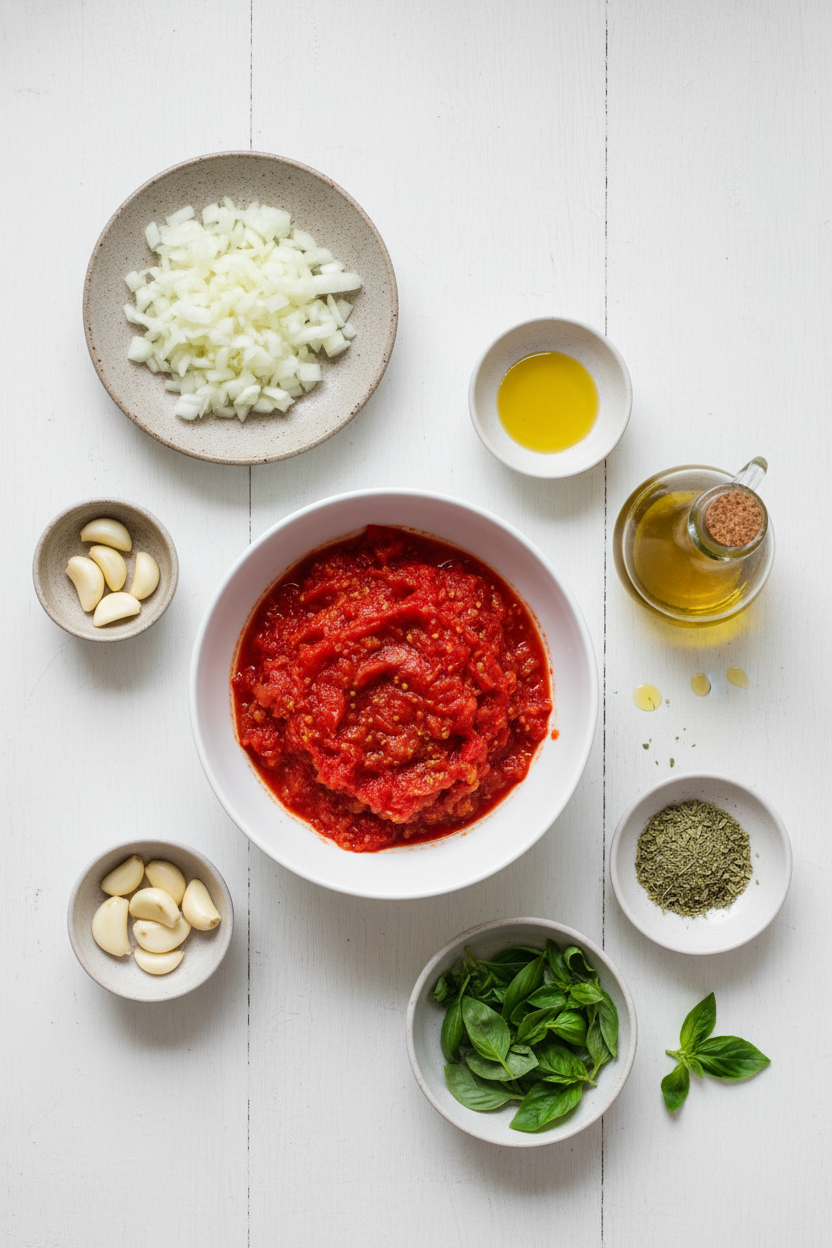
Step 1: Warm your olive oil in a big pot. Add your diced onions. Let them sizzle until they look soft and shiny. I love that sound. It means good things are coming.
Step 2: Stir in the minced garlic next. Cook it for just one minute. You want it to smell amazing, not brown. (A hard-learned tip: burnt garlic tastes bitter, so watch it closely.)
Step 3: Now, pour in your crushed tomatoes. Add the oregano, basil, salt, and pepper. A little sugar helps if the tomatoes are too tangy. Give it all a good stir from the bottom. Do you add sugar to your sauce? Share below!
Step 4: Let the sauce bubble gently for 30 minutes. Stir it now and then. This slow simmer makes all the flavors become friends. If it gets too thick, just add a splash of water. For more simmering secrets, check out this instant pot spaghetti and meatballs recipe.
Step 5: Finally, taste your creation. Does it need more salt? Adjust it just for you. Then, toss it with hot spaghetti. I still laugh at how my grandkids twirl their noodles. Find more family favorites like this one pot cowboy spaghetti recipe.
Creative Twists
Add a handful of fresh spinach at the end.
Stir in a spoonful of creamy ricotta cheese.
Top it with crispy, buttery breadcrumbs for crunch.
Which one would you try first? Comment below!
Serving & Pairing Ideas
Serve this with a simple green salad. A sprinkle of fresh parsley on top makes it pretty. For a heartier meal, add some garlic bread on the side. You can find a great tomato spinach chicken spaghetti recipe here for another night. Or, for a real adventure, try the assassin spaghetti. Which would you choose tonight?

Keeping Your Sauce Cozy
Let’s talk about keeping your sauce happy. Cool it completely before it goes in the fridge. It will stay good for about four days. For the freezer, use a sturdy container. Leave some space at the top. The sauce will expand as it freezes.
I remember my first big batch. I filled a jar too full. The lid popped right off in the freezer! What a mess. Now I always leave room. Batch cooking saves your future self time. It means a delicious dinner is always close by.
Reheating is easy. Thaw frozen sauce in the fridge overnight. Warm it slowly in a pot. Stir it now and then. Add a splash of water if it’s thick. Have you ever tried storing it this way? Share below!
Simple Fixes for Common Hiccups
Sometimes our cooking needs a little help. Here are three easy fixes. First, sauce too acidic? A pinch of sugar fixes that. It balances the tomatoes perfectly. I once forgot the sugar. My family made funny faces at dinner!
Second, sauce too thin? Let it simmer longer. The extra time lets water evaporate. This makes the flavor richer too. Third, not enough flavor? Let it sit. Herbs and spices need time to wake up in the sauce.
Fixing small problems builds your confidence. You learn to trust your own taste. It also makes your food taste more loved. Which of these problems have you run into before?
Your Quick Questions, Answered
What is the secret ingredient for rich spaghetti sauce?
The secret is time. Letting your sauce simmer slowly is key. This blends all the flavors together beautifully. It makes the sauce taste deep and cozy. A little patience creates the richest taste. Try it with this one-pot spaghetti recipe for an easy meal.
How can I make my homemade spaghetti sauce thicker?
Let it cook a bit longer without a lid. The steam will escape. This leaves a thicker sauce behind. You can also add a small spoon of tomato paste. Stir it in well. Both methods work great for perfect sauce consistency.
What is the difference between marinara and spaghetti sauce?
Marinara is a quick, thin sauce. It cooks for less than an hour. Spaghetti sauce simmers much longer. It becomes thicker and richer. Spaghetti sauce often has more herbs and ingredients. Marinara is simpler and lighter.
Can I freeze homemade spaghetti sauce?
Yes, you absolutely can! Freezing sauce is a wonderful trick. Cool it completely first. Then put it in a freezer-safe container. It will keep well for several months. This is perfect for busy nights.
How long should you simmer spaghetti sauce?
Simmer it for at least thirty minutes. Longer is even better. I like to let mine go for a full hour. This gives the onions time to become very soft. Fun fact: a long simmer helps the tomatoes become less acidic. The flavor becomes smooth and wonderful.
What are the best herbs to use in spaghetti sauce?
Dried oregano and basil are the classic starters. They give that familiar, comforting taste. You can also add a bay leaf while it simmers. Remember to take the bay leaf out before serving. Fresh parsley on top at the end is lovely too. Which tip will you try first?
From My Kitchen to Yours
I hope you feel ready to make a wonderful sauce. Cooking is about sharing and trying. Every pot you make teaches you something new. I love hearing your stories and tips.
Please tell me all about your cooking adventure. Did you add your own special twist? Have you tried this recipe? Let me know in the comments below. I read every one.
Happy cooking! —Grace Ellington.

My Go-To Homemade Spaghetti Sauce Recipe
Description
A rich and flavorful homemade spaghetti sauce, simmered with onions, garlic, and herbs for a perfect pasta topping.
Ingredients
Instructions
- In a large pot, heat the olive oil over medium heat. Add the diced onions and sauté for about 5 minutes, until translucent.
- Stir in the minced garlic and cook for another minute, ensuring not to let it burn.
- Pour in the crushed tomatoes, stirring everything together. Add oregano, basil, salt, pepper, and sugar (if using) to the pot.
- Bring the mixture to a gentle simmer. Let the sauce simmer on low heat for about 30 minutes, stirring occasionally.
- If the sauce is too thick, add a little water to reach desired consistency. Taste and adjust seasonings as needed.
- Toss your freshly cooked spaghetti in the sauce, or serve it on top.
Notes
- This sauce freezes beautifully. Cool completely and store in airtight containers for up to 3 months.