


The Cake That Took a Nap
This cake has a funny name. It is called Napoleon. But it is not French. It is a Russian treasure. My friend Anya taught me to make it. She said her grandmother made it for every big celebration. I think of Anya every time I bake it.
You must let it rest in the fridge. It needs a long nap. This wait is the secret. The cake layers soak up the sweet custard. They become soft and wonderful. Patience makes it perfect. What is a treat you make for big celebrations?
A Little Help From Vodka
The dough has a surprise. It uses vodka. This might sound strange. But it is a baker’s trick. The alcohol helps the dough stay tender. It makes the layers extra flaky. *Fun fact: The vodka evaporates in the hot oven. So the cake is safe for everyone to enjoy.*
You work the dough as little as possible. You want to see little bits of butter. Those bits create steam in the oven. That steam makes a hundred flaky layers. This matters because texture is just as important as taste. A good bite is a happy bite.
Rolling Out Thin Clouds
You roll the dough very, very thin. I still laugh at that. The first time I did it, I was so nervous. I thought it would tear. But it is strong. You roll it right on the back of a baking sheet. Isn’t that a clever trick?
You bake the layers until they are golden. They puff up like little clouds. Then you trim them into perfect circles. Save every single scrap. Those baked bits become your “snow” for decorating later. Nothing is wasted. Do you save scraps in your kitchen for another use?
The Heart of the Cake
The custard is the heart of this cake. You cook it slowly. You must whisk and whisk. It is a labor of love. Your arm might get tired. But the smell is worth it. Doesn’t that smell amazing? Like sweet, vanilla dreams.
When it’s thick, you stir in butter. This makes it rich and silky. You let it cool with plastic wrap right on top. This stops a skin from forming. This matters because a smooth custard makes every layer perfect. Love is in the details.
Building a Sweet Tower
Now for the fun part. You build a tower. A layer, then custard. Again and again. Eight times! I like to use a cake ring to keep it neat. A simple ribbon tied around it works just fine. It feels like a sweet puzzle.
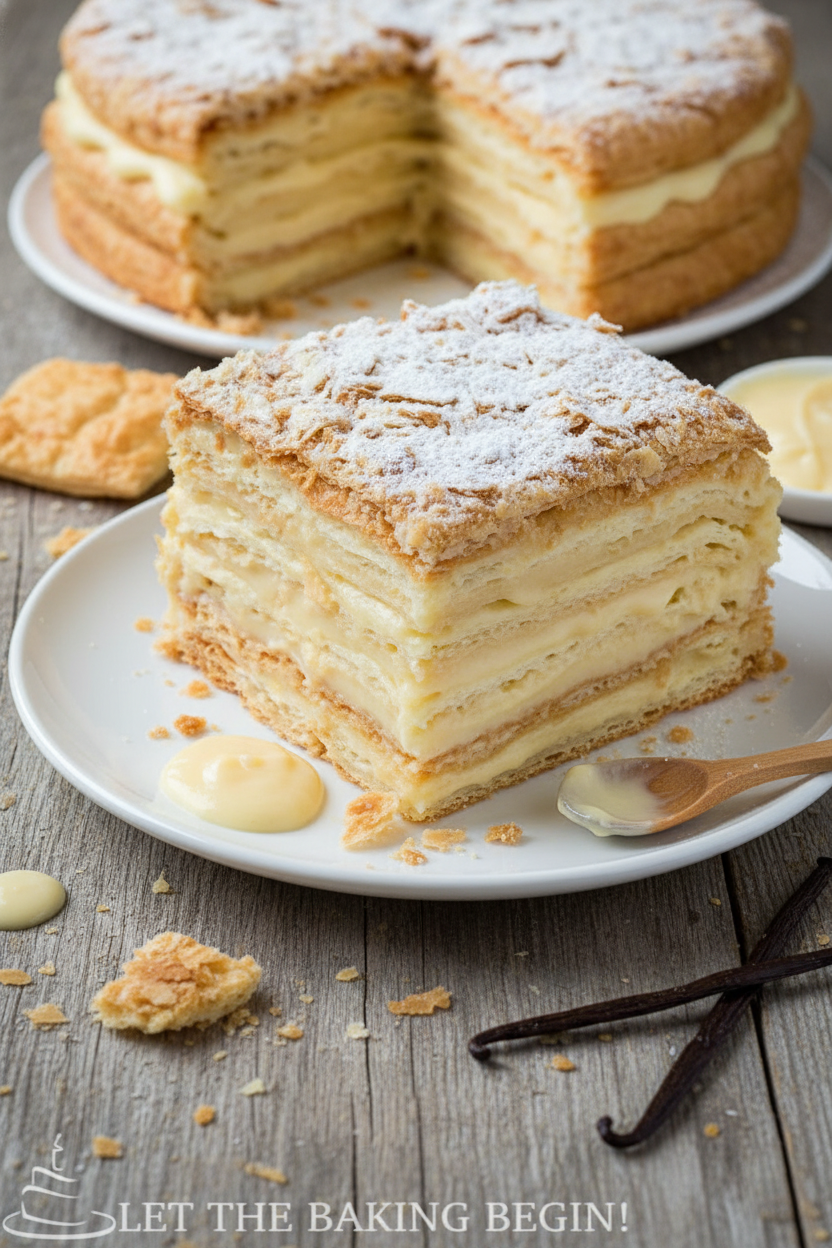
You cover the whole cake with crumbs. It looks like a snowy mountain. Then, the hardest part. You wait. If you eat it in three hours, it will be crispy. If you wait a day, it becomes soft and melts in your mouth. Which texture do you think you would like more?
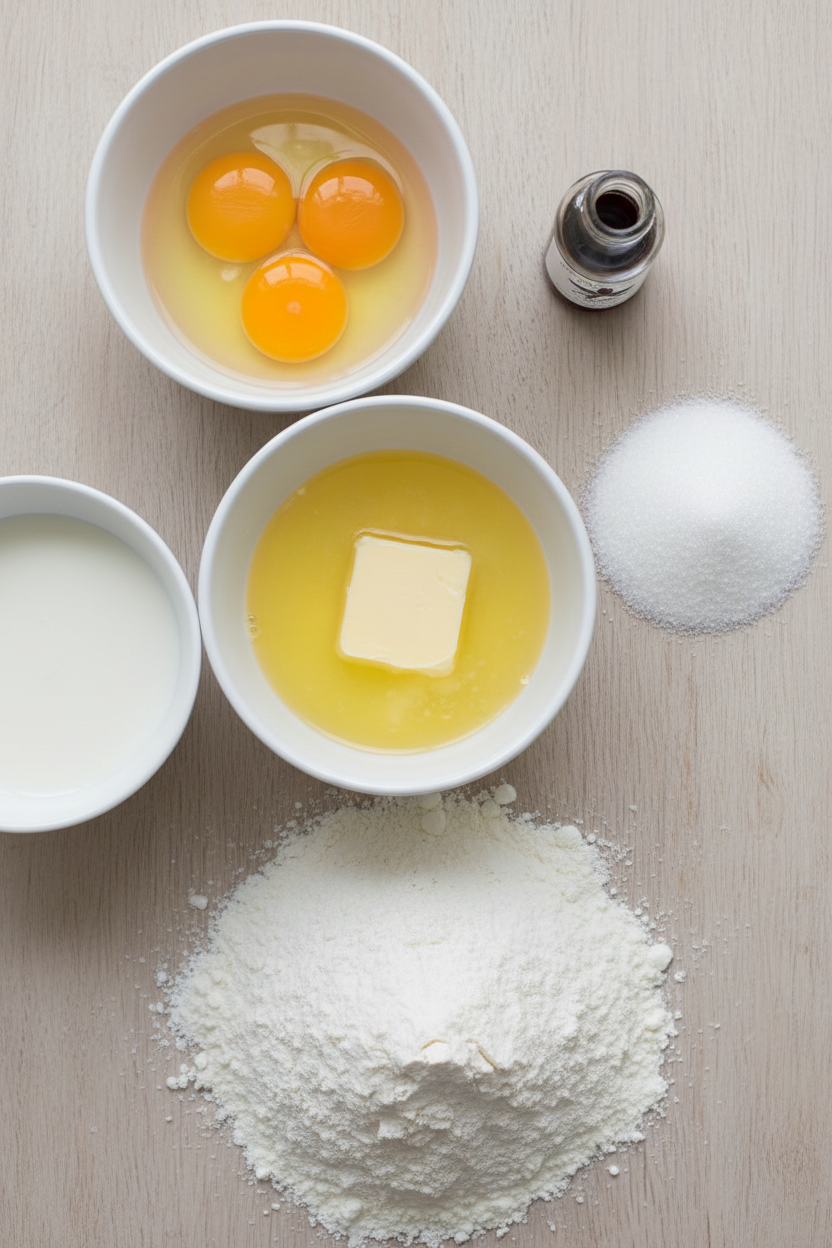
Ingredients:
| Ingredient | Amount | Notes |
|---|---|---|
| All-purpose flour | 6 cups | sifted, for the puff pastry |
| Unsalted butter | 1 3/4 cups | cold and cubed, for the puff pastry |
| Eggs | 2 | for the puff pastry |
| Kosher salt | ⅛ tsp | for the puff pastry |
| Water | ⅔ cup | for the puff pastry |
| White vinegar | 2 tbsp | for the puff pastry |
| Vodka or cognac | 3 tbsp | for the puff pastry |
| Egg yolks | 7 | for the custard |
| Granulated sugar | 2 cups | for the custard |
| Whole milk | 6 cups | divided, for the custard |
| All-purpose flour | ⅔ cup | for the custard |
| Vanilla extract | 1 tbsp | for the custard |
| Unsalted butter | 1 ¾ sticks | for the custard |
Instructions
Step 1: Make your puff pastry dough. Whisk eggs, salt, water, vinegar, and vodka in a cup. Pulse flour and cold butter in a food processor. It should look like little peas. Pour in the egg mix and pulse just until it sticks together. (Keep that butter cold for flaky layers!)
Step 2: Shape and chill the dough. Dump it onto your counter. Gently press it together with your hands. Do not knead it like bread dough. Divide it into four balls, flatten them, and wrap them up. Let them rest in the fridge for a few hours. This patience makes all the difference.
Step 3: Now, let’s make the custard. Whisk egg yolks and sugar in a big pot. Whisk in the flour until it’s smooth. Heat the milk in another pot until it boils. Slowly pour the hot milk into the egg mix, whisking all the time. This keeps the eggs from scrambling!
Step 4: Cook and finish the custard. Bring it all to a boil, whisking constantly. Cook for a few minutes until it’s thick. Stir in vanilla and butter until melted. I still laugh at the first time I made this. My arm got so tired from whisking! Pour it onto a baking sheet, cover it, and let it cool completely.
Step 5: Bake your thin cake layers. Roll one dough piece super thin on a floured baking sheet. Prick it all over with a fork. Bake it until it’s just golden. Trim it into a neat circle right away. Save all the crispy scraps! What do you think we do with the baked scraps? Share below!
Step 6: Time for the fun part—assembly! Spread cooled custard on a cake layer. Add another layer and more custard. Keep going like that. Use a cake ring if you have one for neat sides. Cover the whole cake with the custard. Finally, press those saved crumbs all over the top and sides. Doesn’t that look wonderful?
Step 7: The hardest step is waiting. Let your cake rest in the fridge. For a crispy cake, wait about three hours. For a soft, magical cake, wait a full day or two. The flavors become best friends. (Always cover it well so it doesn’t taste like your leftover onions!). Then, slice and enjoy your masterpiece.
Creative Twists
Add a layer of sweet berry jam between the custard. Mix lemon zest into the custard for a sunny flavor. Use the crumbs to make little individual trifles in glasses. Which one would you try first? Comment below!Serving & Pairing Ideas
Serve a slice with a small cup of strong black tea. The bitterness is perfect with the sweet cake. For a pretty plate, add a few fresh raspberries on the side. A dollop of barely-sweetened whipped cream is lovely, too. It makes it feel extra special. Which would you choose tonight?
Keeping Your Napoleon Cake Happy
This cake is a special project. You want it to last. The fridge is its best friend. Keep it covered well with plastic wrap. This stops it from tasting like your leftover onions.
You can freeze the whole cake, too. Wrap it tightly in a few layers of plastic. I once froze a slice for a month. It tasted just as sweet when I thawed it.
Batch cooking the layers is a smart trick. Bake all your rounds, let them cool, and stack them with parchment paper in between. Store them in a big bag. This matters because it breaks the big job into smaller, easier pieces.
Have you ever tried storing it this way? Share below!
Three Little Hiccups and How to Fix Them
First, dough that is too warm. Your butter will melt. Your layers won’t be flaky. Just pop the dough back in the fridge for a bit. This matters because cold butter creates steam, and steam makes those wonderful flakes.
Second, a lumpy custard. Whisk your egg yolks and sugar very well first. Add the flour slowly. I remember when my first custard had little flour balls. A fine sieve fixed it right up.
Third, cracked cake layers. They are very delicate when hot. Let them cool for just a minute on the pan. Then trim them. Handling them gently matters. It keeps your beautiful cake looking neat and professional.
Which of these problems have you run into before?
Your Quick Questions, Answered
What is the traditional method for making Napoleon cake layers?
The traditional way is to make a puff pastry dough from scratch. You mix cold butter into flour until it looks like peas. Then you add a liquid with eggs, water, and a bit of vinegar or vodka. You roll this dough very thin into many circles. You bake each one until it is golden and flaky. This creates the signature, delicate layers.
Can I use puff pastry instead of making homemade layers for Napoleon cake?
Yes, you can use store-bought puff pastry sheets for a shortcut. Thaw the pastry according to the package directions. Then roll it out a bit thinner if you can. Prick it with a fork and bake it. The layers will be good and flaky. It will save you a lot of time. The taste will still be wonderful and sweet.
How do you prevent the custard from making the Napoleon cake soggy?
Let your baked cake layers cool completely first. Warm layers will melt the custard and turn soggy. Also, make sure your custard is thick and fully cooled before you spread it. A properly thickened custard holds its shape. It soaks into the layers slowly, making them tender, not wet. This is the key to perfect texture.
What are some tips for achieving perfectly flaky layers in Napoleon cake?
Keep your butter and dough very cold. Work quickly with your hands. Do not over-knead the dough. You should still see little bits of butter in it. Roll the dough very, very thin. Prick the rolled dough all over with a fork before baking. This lets steam escape and prevents big bubbles. The steam from the butter is what creates the flakiness.
Can Napoleon cake be made ahead of time and how is it stored?
Yes, it is actually better made ahead. The cake needs time for the custard to soften the layers. Assemble it completely. Then cover it well and refrigerate it. It can stay in the fridge for a few days. For longer storage, you can freeze the whole cake. Wrap it tightly in plastic wrap. Thaw it in the refrigerator before serving.
Are there any variations on the classic custard filling for Napoleon cake?
You can add different flavors to the classic custard. Try adding a little lemon zest for a fresh taste. Some people like to fold in whipped cream for a lighter filling. You could even add a layer of berries or jam between some of the layers. *Fun fact: In some bakeries, they use a cooked buttercream instead of custard!*
Which tip will you try first?
From My Kitchen to Yours
I hope you feel ready to try this lovely cake. It is a labor of love, but so worth it. The best part is sharing it with people you care about. My table has seen many slices shared with stories and laughter.
I would love to hear about your baking adventure. Tell me how it went in your kitchen.
Have you tried this recipe?
Happy cooking!
—Grace Hollander.
