My grandmother kept a small clay pot of sage on the windowsill, even though the window was painted shut. She used it for roast chicken, brown butter sauce, and the pumpkin pasta she made every October when the squash came in. I can still close my eyes and smell the butter sizzling with the sage leaves before the pumpkin hit the pan — that toasty, earthy, almost-medicinal scent that means fall is here.
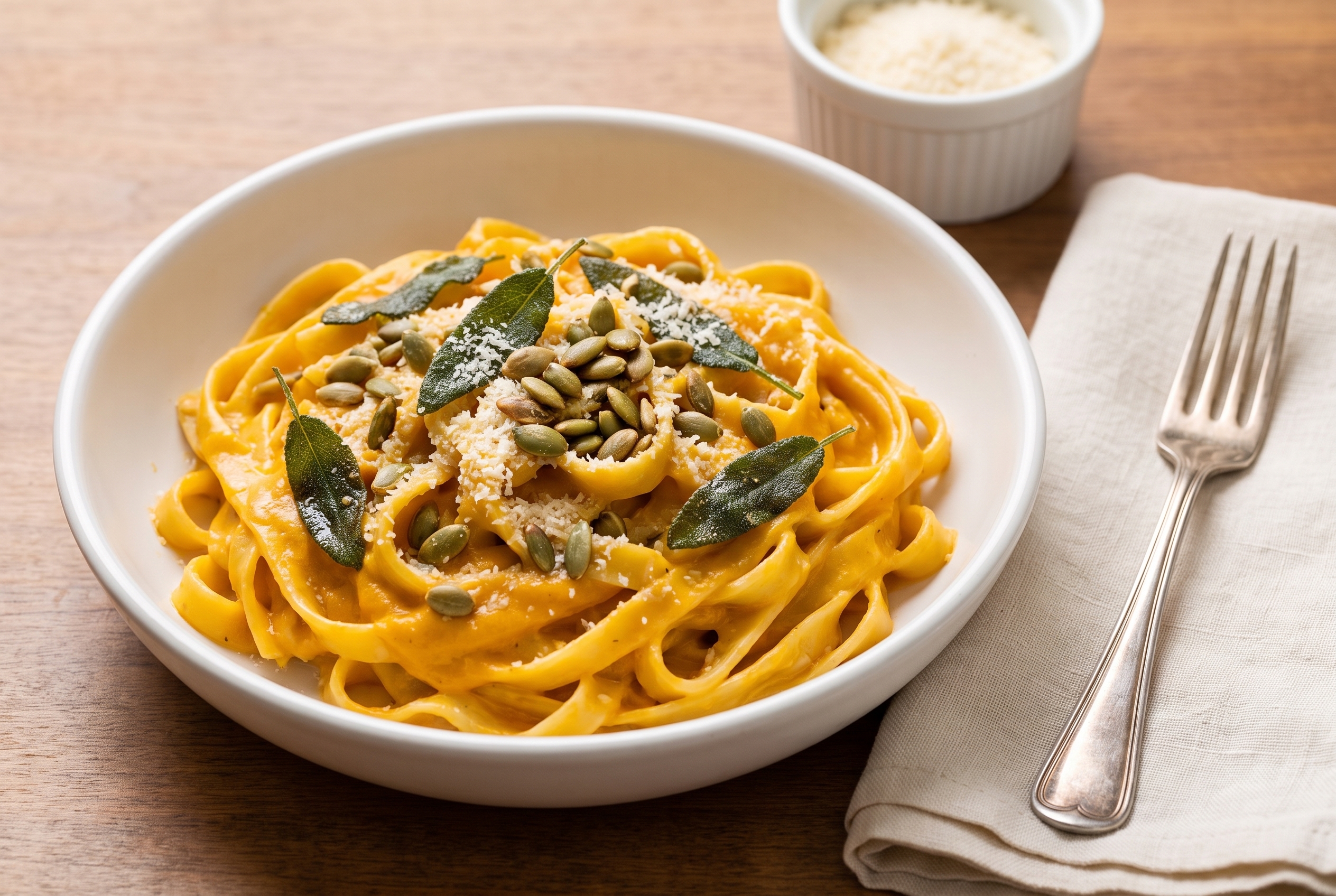
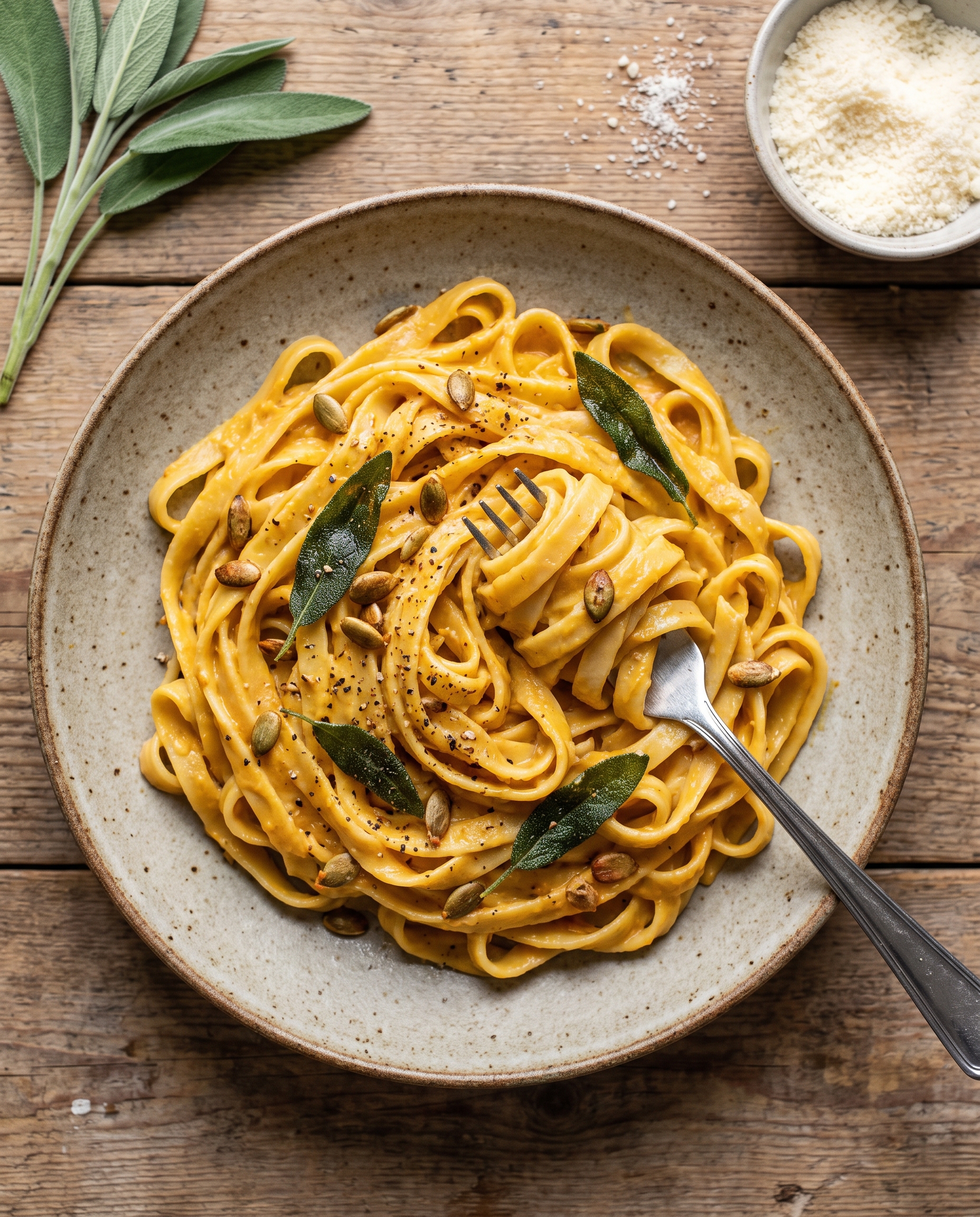
This creamy pumpkin sage pasta is my grown-up version of her October bowl. It is a one-pan sauce (plus the pasta pot) that comes together in about half an hour and tastes like you tried much harder than you did. The pumpkin is sweet and mellow, the sage turns crisp in the butter, and a little cream cheese or goat cheese melts in to make it velvety without being heavy.
Why Pumpkin and Sage Work So Well Together
The pairing is older than any of us. Pumpkin is sweet and earthy, sage is piney and almost peppery. When you bloom sage in hot butter, it loses that raw herbal edge and turns nutty and fragrant — a perfect counterweight to the soft sweetness of pumpkin. Add garlic and salty parmesan, and the whole thing snaps into balance.
The other thing this pasta does well is feel substantial without sitting like a brick in your stomach. Cream cheese (or goat cheese, if you want a tangier note) gives the sauce body and a hint of tang, while a splash of starchy pasta water loosens it into a glossy coating. Cozy, but not heavy — a distinction that matters on a Tuesday night.
Creamy Pumpkin Sage Pasta
What follows is the exact method I lean on from late September through early December. It serves four generously as a main, and scales up beautifully for a small dinner party. Fresh sage is best, but a teaspoon of dried in a pinch works fine.
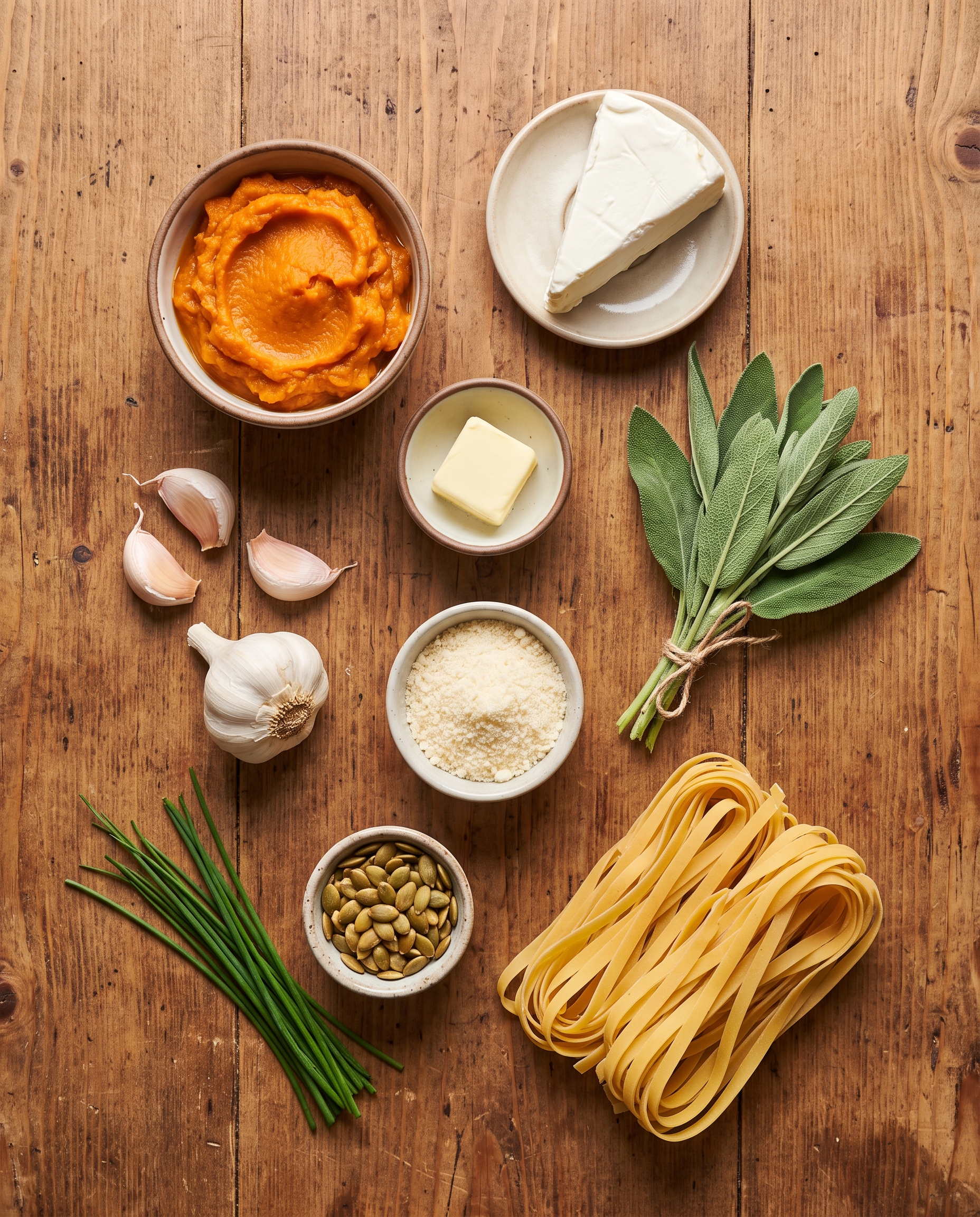
Ingredients
16 oz (about 450 g) pasta of choice — fettuccine, rigatoni, or penne all work
4 tablespoons good butter, plus a small extra knob for the pan if needed
2 garlic cloves, peeled and chopped
2 medium shallots, peeled and finely chopped
1 (15 oz / 425 g) can unflavored pumpkin purée (not pumpkin pie filling)
2 oz (about 55 g) unflavored cream cheese or soft goat cheese
1/2 cup toasted pepitas (pumpkin seeds), for garnish
1/2 cup finely grated parmesan, plus more for serving
Kosher salt and freshly cracked black pepper, to taste
From Pot to Plate
Step 1: Boil the pasta. Bring a large pot of well-salted water to a rolling boil. Cook the pasta to a minute shy of al dente, then drain it, reserving about a cup of the starchy cooking water before you pour it all away. The pasta will finish in the sauce, so this under-done-by-a-minute move matters.
Step 2: Bloom the aromatics. While the pasta cooks, set a large, deep skillet over medium heat and add the butter. When it foams, drop in the shallots and stir for a minute or two until they soften. Add the garlic and sage and stir for another 30 seconds, just until fragrant — do not let the garlic brown or it will turn bitter.
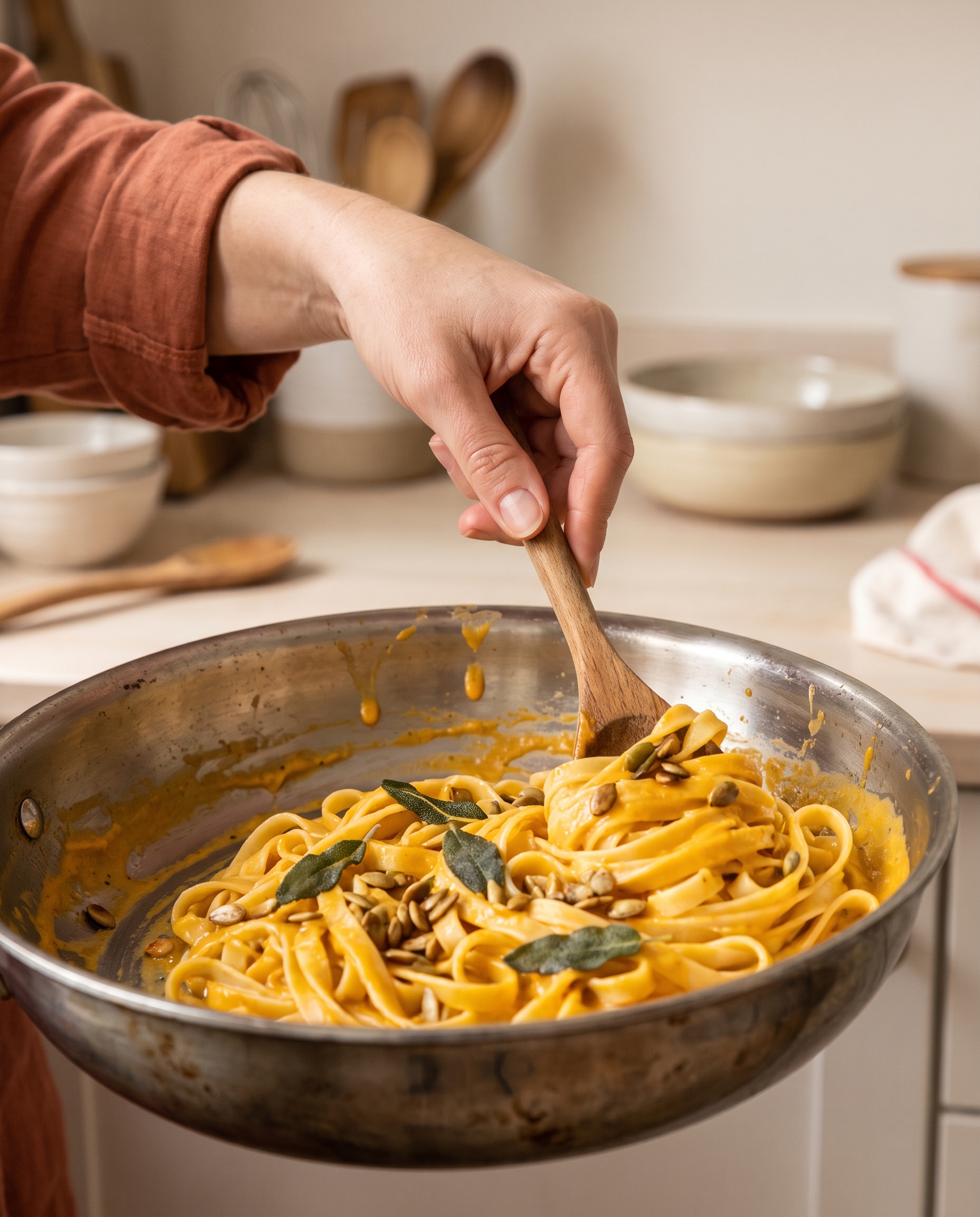
Step 3: Build the sauce. Add the entire can of pumpkin purée to the skillet and stir to combine with the butter, shallots, and sage. Let it warm through for a minute, then add the cream cheese (or goat cheese) in small spoonfuls, stirring until it melts and the sauce turns velvety and pale orange. If the sauce looks tight, splash in some of that reserved pasta water — start with 1/4 cup and add more as needed.
Step 4: Finish with chives and seasoning. Stir in most of the chives and half of the grated parmesan. Taste, then add kosher salt and a few grinds of black pepper. If the sauce tastes flat, it almost always needs more salt — pumpkin soaks up seasoning like a sponge.
Step 5: Toss the pasta. Add the drained pasta straight into the skillet and toss with tongs or a wooden spoon until every strand (or tube) is slicked with the sauce. Let everything sit over low heat for a minute so the pasta can soak up the flavor, then kill the heat.
Step 6: Plate and garnish. Divide between warm bowls. Shower each bowl with the toasted pepitas, the remaining parmesan, a few chives, and a final crack of black pepper. Serve immediately, while the pepitas are still crisp.
Creative Twists
This is the kind of recipe that loves company. Some easy ways to make it your own:
Brown butter version. Skip the cream cheese and brown the butter slowly until it smells like toasted hazelnuts, then build the sauce from there. You will lose a little tang, but gain deep, nutty depth.
Spicy pumpkin pasta. Add 1/4 to 1/2 teaspoon of red pepper flakes with the garlic, and finish with a squeeze of lemon. The heat and acid wake the whole bowl up.
Add some greens. Stir in a few big handfuls of baby spinach or arugula at the very end and let them wilt into the sauce for a pop of color and a little bitterness.
Swap the cheese. Mascarpone makes it extra-luxe, ricotta makes it lighter, and a sharp aged gouda turns it into something that feels almost like a fall carbonara.
Sausage addition. Brown a half-pound of hot Italian sausage in the skillet before you start the sauce, then proceed. It is a heartier dinner and the spice plays nicely with the sweet pumpkin.
Serving & Pairing Ideas
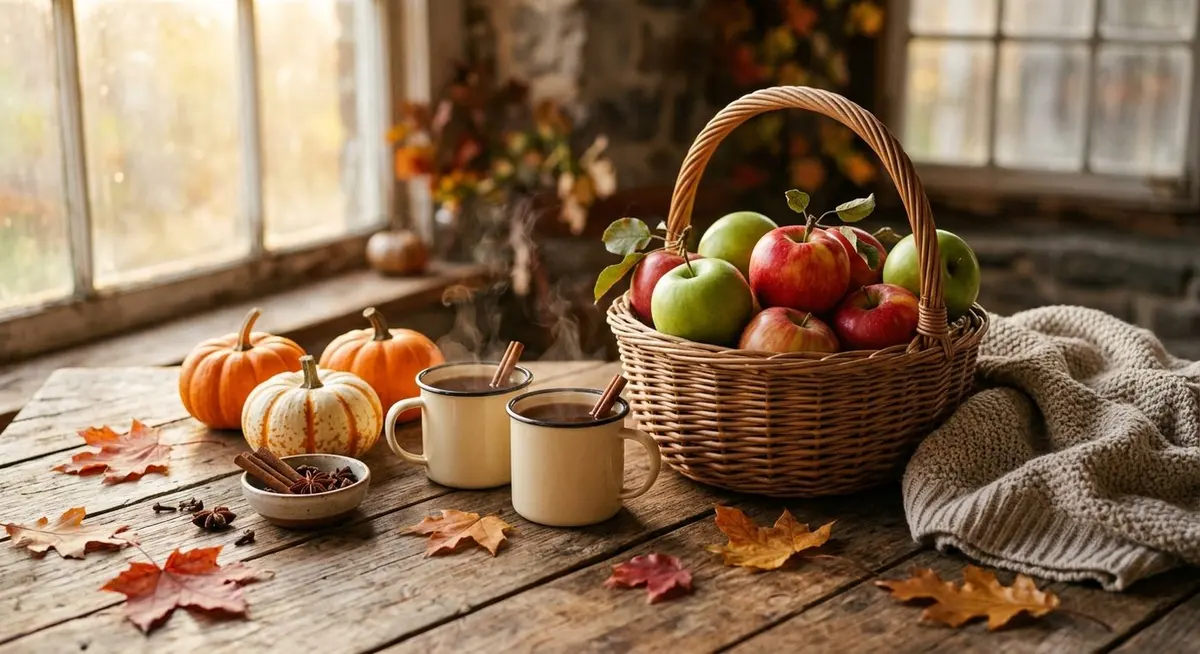
What do you usually pour alongside a creamy pasta — a glass of something crisp, or just water and a hunk of bread? A dry, slightly fruity white like a Pinot Grigio or a soft, lightly-oaked Chardonnay both handle the creaminess without being steamrolled. A dry rosé is a beautiful surprise for a fall dinner party, and sparkling apple cider with a slice of fresh pear works for a non-alcoholic pour.
On the side, I keep it simple. A sharp green salad with a punchy lemon vinaigrette — peppery arugula with shaved parmesan and cracked black pepper — is the perfect foil to all that creamy sweetness. A warm, crusty loaf for sauce-mopping is non-negotiable. For a hungry crowd, roasted Brussels sprouts with balsamic or garlicky broccolini slides in nicely without competing with the pasta.
Why I Love This Pumpkin Sage Pasta
There is something about pumpkin pasta that makes people hesitate. I get it — pumpkin belongs in pie, right? But the first time you stir a can of plain pumpkin purée into a hot, buttery, sage-scented pan, you realize the flavor is more flexible than you thought. It is sweet, sure, but also earthy and grounded, and it pairs as beautifully with garlic and parmesan as it does with cinnamon and brown sugar.
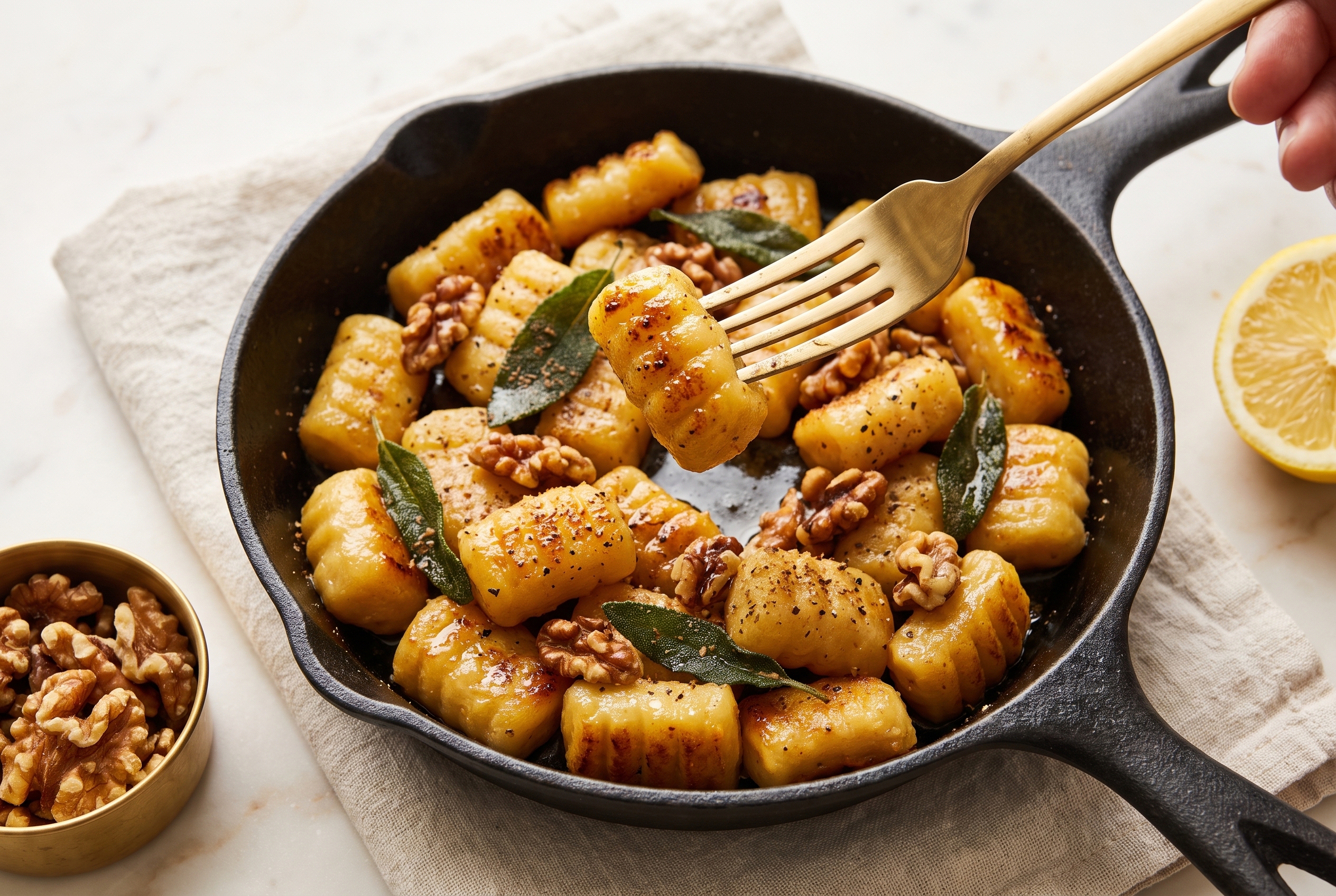
I love this dish because it makes an ordinary weeknight feel a little ceremonial. It is the pasta I make when the leaves are turning and the air is sharp, and the one I bring to a friend who just had a baby because it reheats gently with a splash of milk and tastes like a hug. For more cozy seasonal pasta ideas, try my creamy pumpkin mac and cheese or brown butter sage gnocchi — same flavor family.
Storage and Batch Cooking
This pasta keeps well in the fridge for 3 to 4 days, tightly covered. The sauce thickens as it sits, so add a small splash of milk or water when reheating gently over low heat, stirring often. Skip the microwave — it tends to make the cream cheese sauce separate and go grainy.
For batch cooking, make the sauce up to 2 days ahead in a sealed container. When you are ready, cook the pasta fresh, reheat the sauce in a wide pan with a splash of pasta water or milk, then toss together. Add pepitas and chives at the end so they stay snappy. Freezing works, but the cream cheese sauce gets thicker when thawed.
Troubleshooting Your Pumpkin Sage Pasta
Most pumpkin pasta problems come down to one of three things — and they are all easy to fix. If the sauce tastes flat, it almost certainly needs more salt (pumpkin is sneaky that way). Too thick? Splash in more reserved pasta water or warm milk. Too thin? Simmer gently for a few more minutes — pumpkin reduces fast.
If your sauce looks grainy or split, the cream cheese got too hot too fast. Pull the pan off the heat, add a tablespoon of cold milk, and whisk vigorously — it usually comes back together. And if the sage flavor is overpowering, you likely added dried sage by mistake thinking it was fresh; dried sage is potent, so use a lighter hand.
Your Quick Questions, Answered
Can I use fresh pumpkin instead of canned? Absolutely. Roast sugar pumpkin or kabocha until tender, then purée it smooth — about 1 and 3/4 cups to replace a 15 oz can. Make sure it is unflavored and not too watery; if loose, drain in a fine sieve for 10 minutes first.
Is pumpkin sage pasta kid-friendly? Yes — most kids love the sweet, mild pumpkin sauce, especially with extra parmesan on top. If your child is skeptical about green flecks of sage, chop it very finely or use a smaller amount of dried. Cream cheese is also a friendlier choice than goat cheese for picky eaters.
Can I make this vegan? You can. Swap the butter for good olive oil or vegan butter, use plant-based cream cheese, and skip the parmesan (or use vegan parm). The pumpkin itself is plenty creamy, and a small splash of oat milk at the end brings everything together.
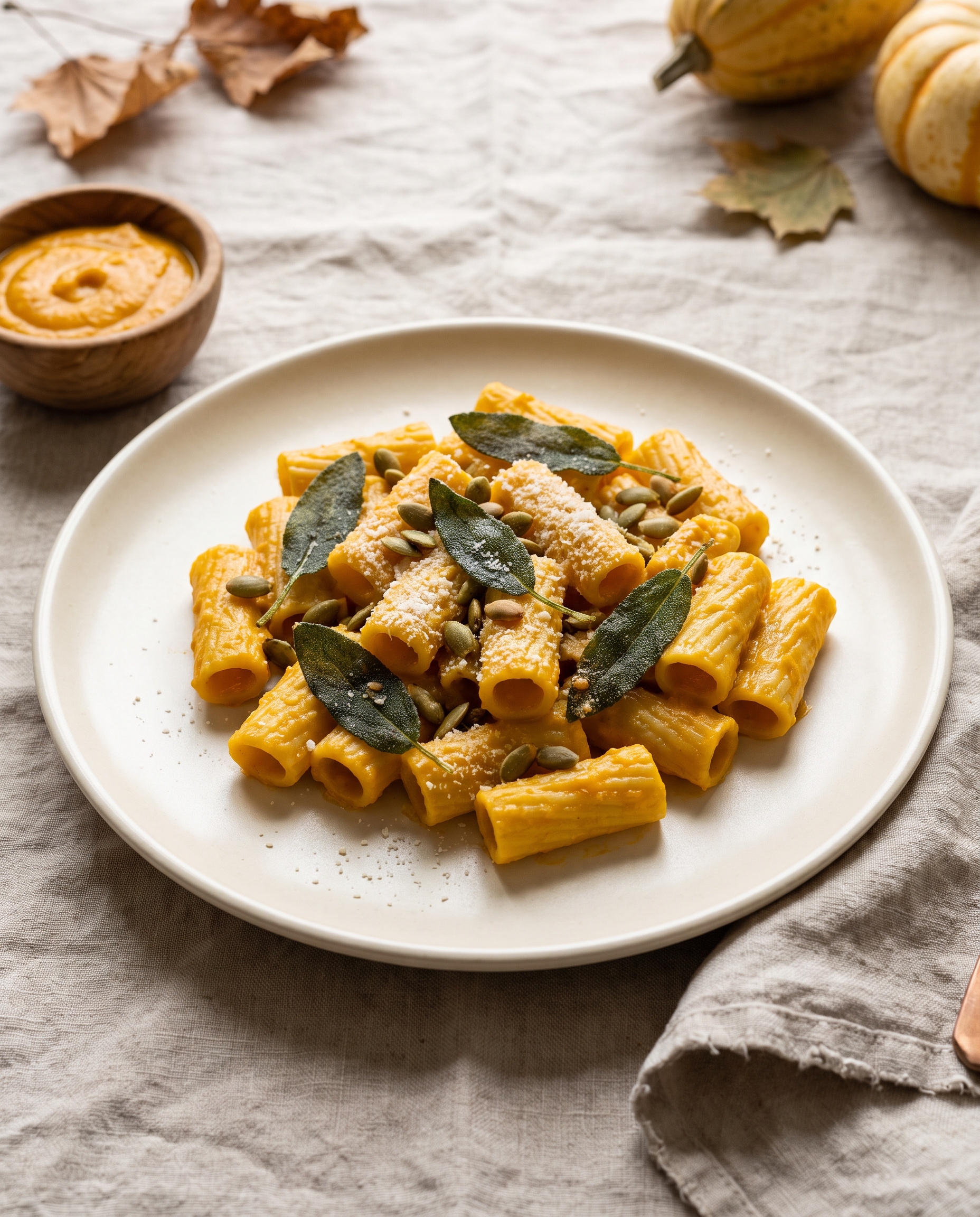
What pasta shape works best? Long noodles like fettuccine or pappardelle are gorgeous for catching the sauce, but a tube shape like rigatoni or penne is more forgiving and holds little pockets of pumpkin cream. Use what you have — the sauce is the star.
A Few Last Thoughts
If you have a can of pumpkin sitting in the back of your pantry from last Thanksgiving, this is its moment. Pull it out, brown some butter, and let your kitchen smell like October for an hour. I think you will be surprised at how comforting a bowl of orange pasta can be — and how quickly it disappears. Tell me in the comments if you tried goat cheese or cream cheese.
Elowen Thorn I cook, photograph and re-test every recipe in an ordinary home kitchen before it goes up, so what you make matches what you see. Savory Discovery is where simple weeknight cooking, seasonal ideas and the odd bit of kitchen craft sit side by side — written plainly, and worth cooking twice.