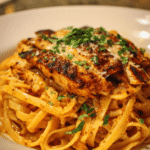
Have you ever had a pasta that whispered “one more bite” until suddenly the bowl was gone? That is exactly what happened the first time I made this garlic butter mushroom pappardelle for my granddaughter. She twirled the wide ribbons around her fork, looked up at me with the kind of eyes that mean business, and asked, very politely, if I would please make it again next Tuesday. I have made it, with small variations, every single week since.
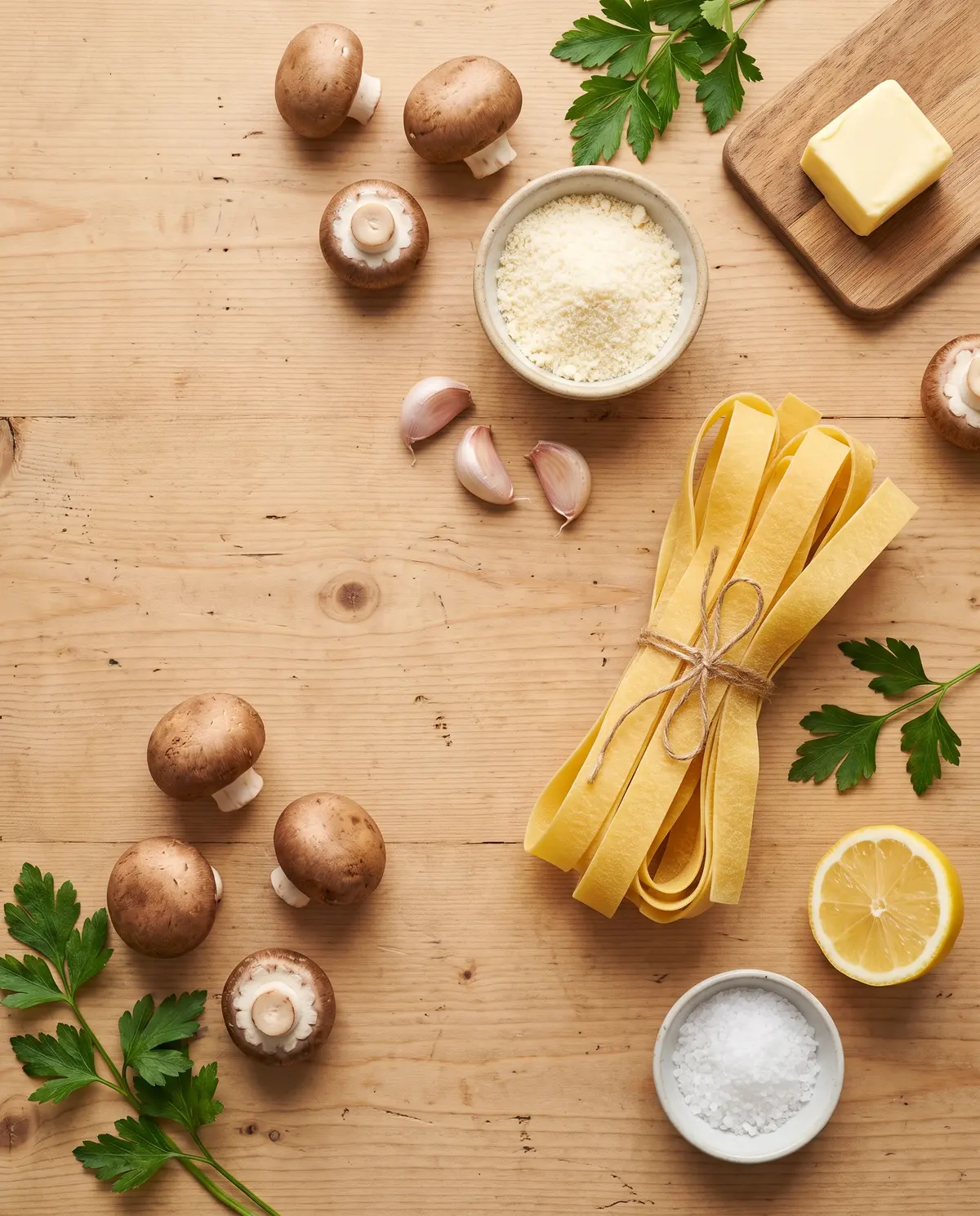
There is something almost magic about how five humble ingredients — butter, garlic, mushrooms, parmesan, and good pasta — can turn into the kind of dinner people remember. No cream, no fuss, no specialty trip to the store. Just the kind of food my grandmother would have called “everyday fancy,” and I think that is the highest compliment a weeknight pasta can earn.
If you have ever thought a butter-based sauce could not possibly coat a wide noodle the way a cream sauce does, I am here to change your mind. The trick is a splash of starchy pasta water and a generous handful of good parmesan, whisked together off the heat. That is the whole secret. Want to know the rest? Pull up a chair.
Garlic Butter Mushroom Pappardelle
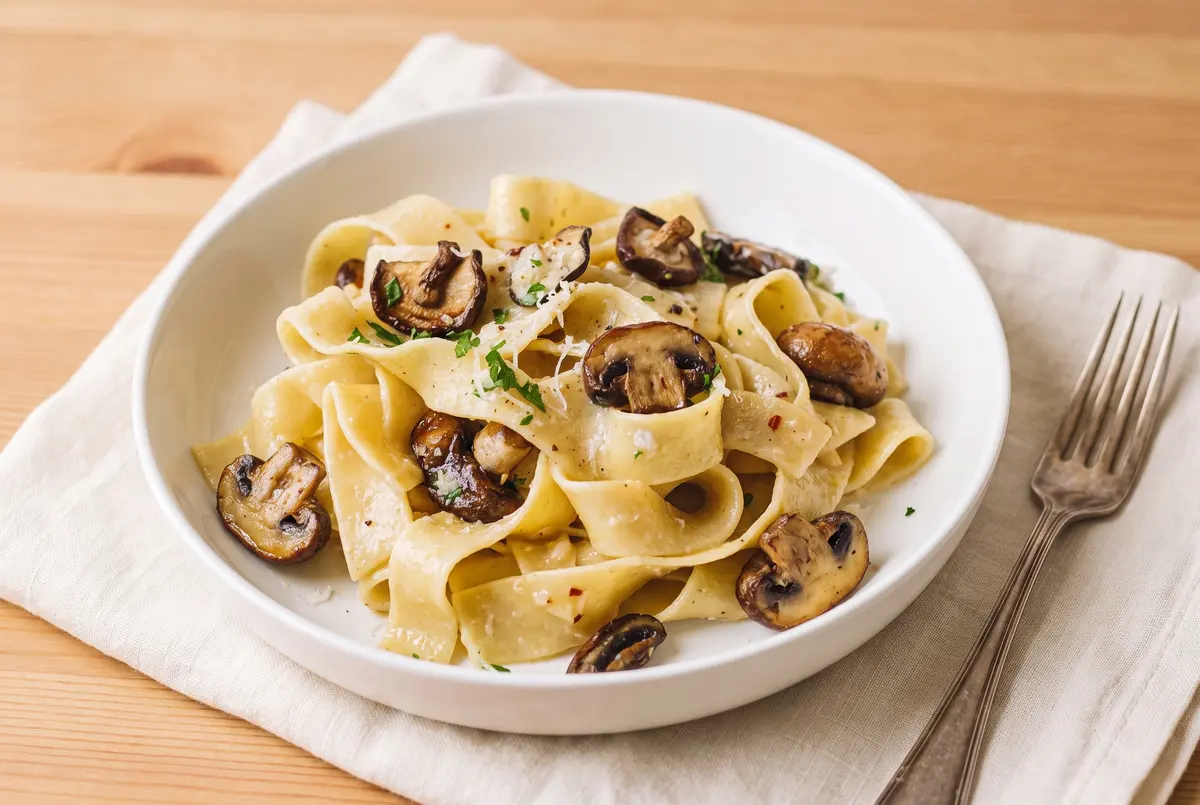
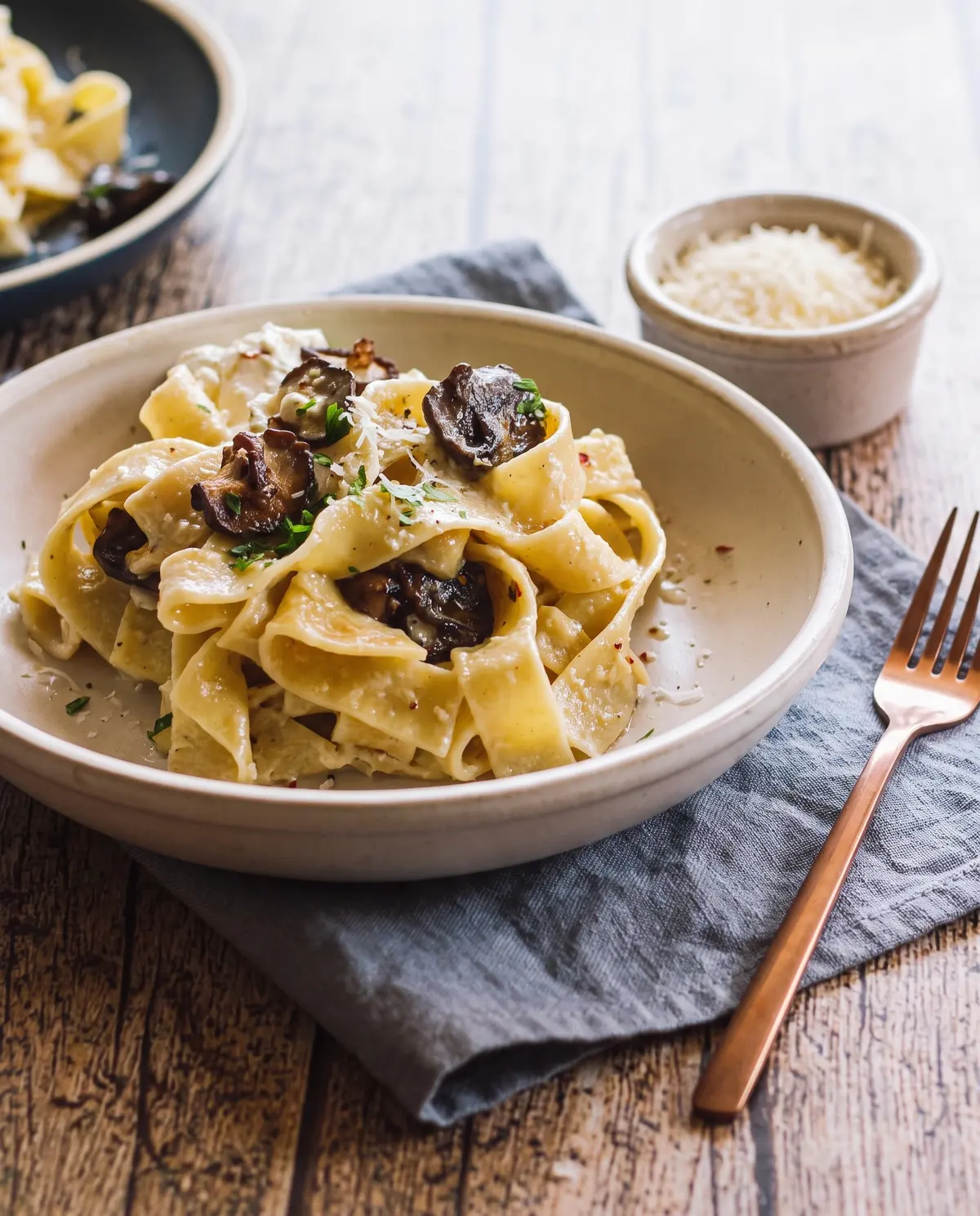
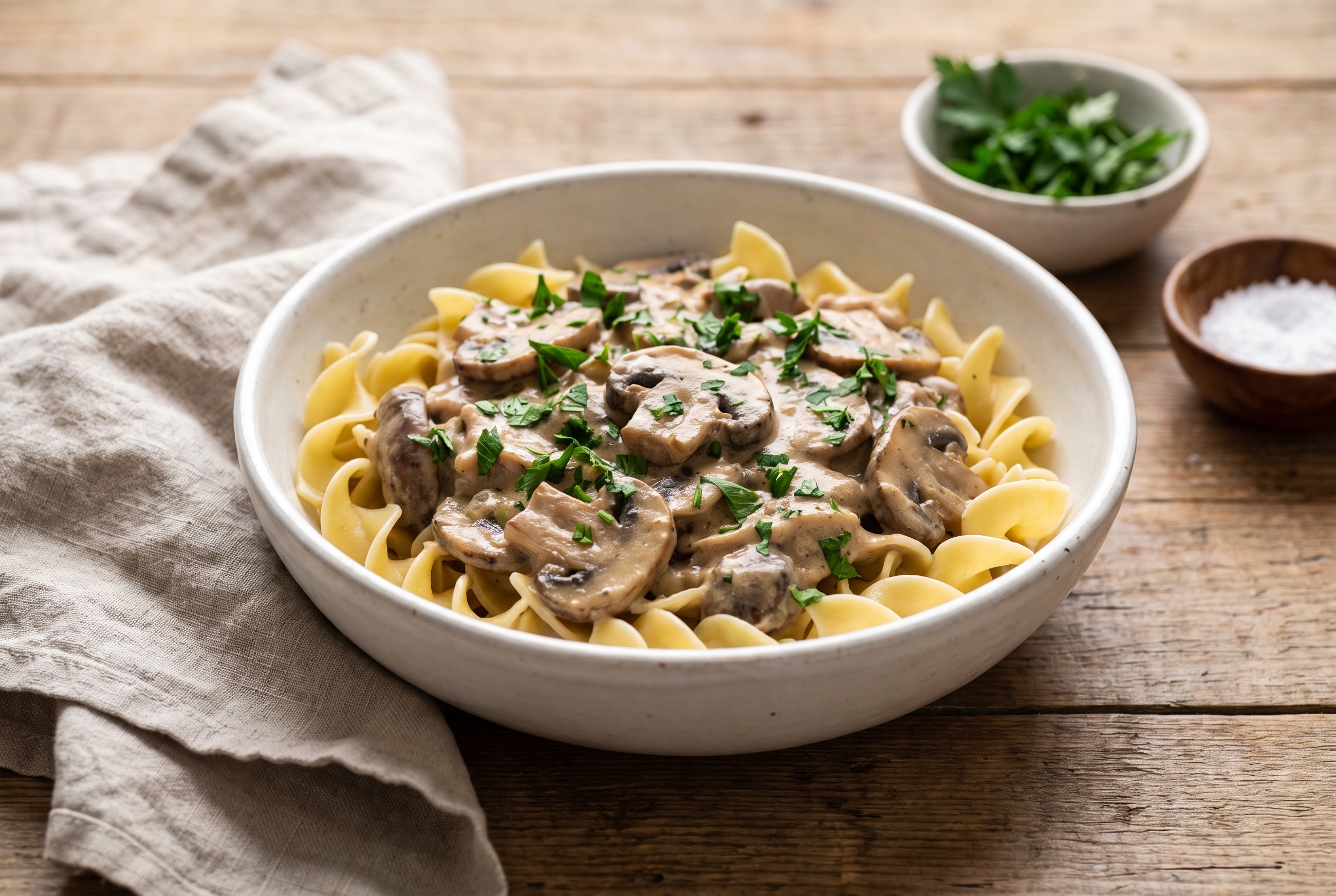
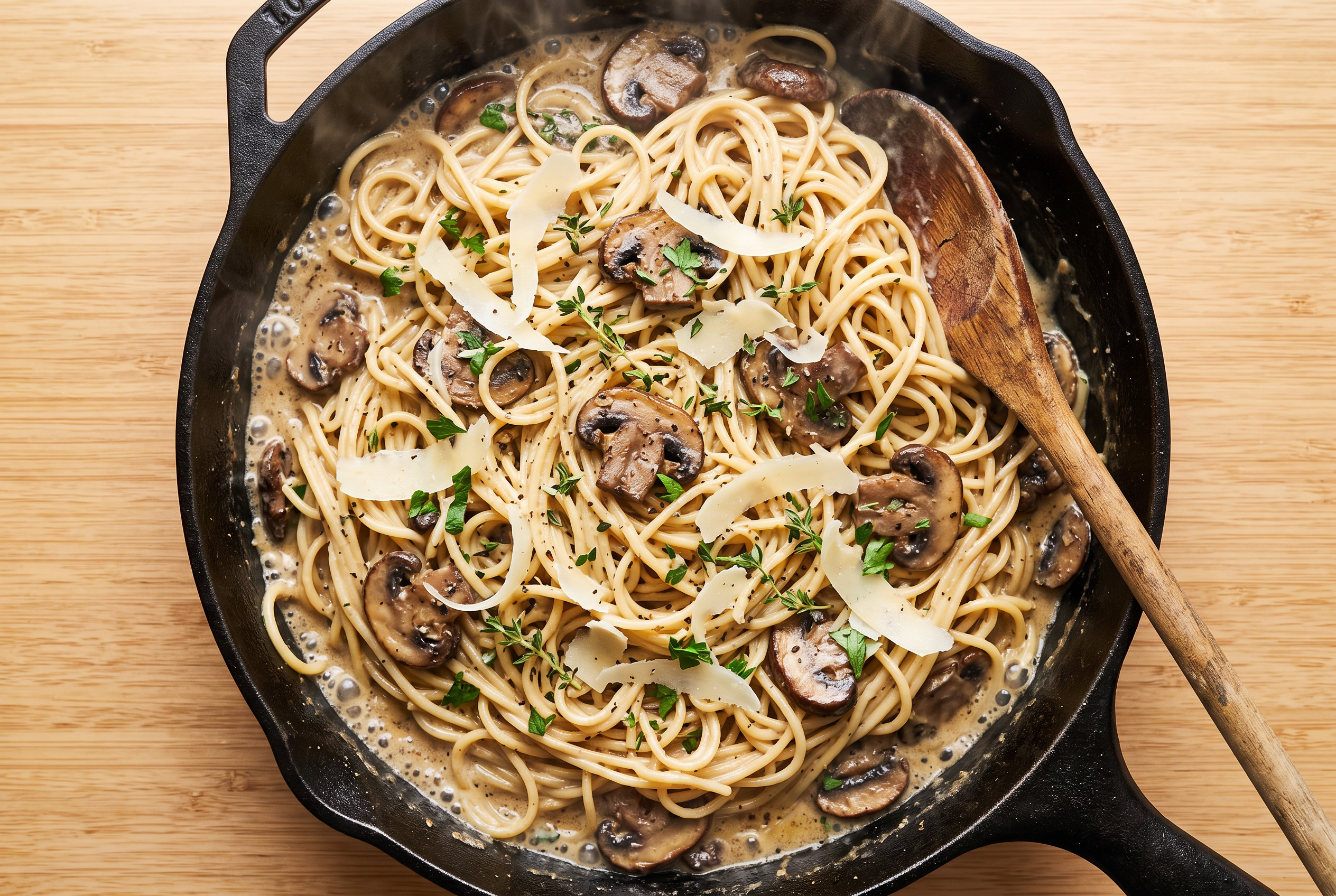
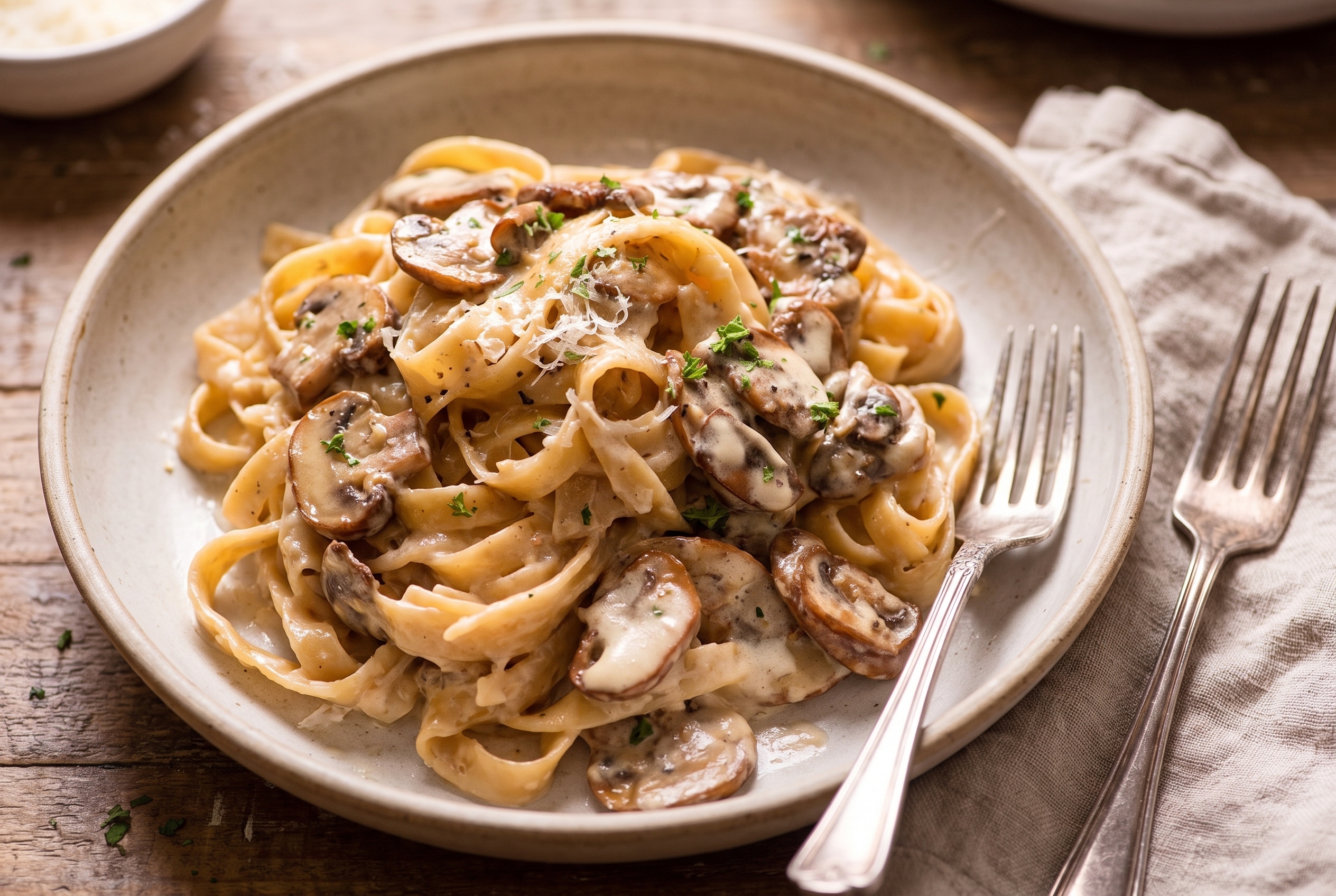
Wide ribbons of pappardelle tossed in a glossy, golden butter sauce with deeply browned cremini mushrooms, a generous hit of garlic, a whisper of lemon, and freshly grated parmesan. Comforting enough for a Sunday, simple enough for a Tuesday, and impressive enough to serve to company without breaking a sweat. Twenty-five minutes from pot to plate.
From Pot to Plate
Step 1: Boil the pasta water and salt it well. Bring a large pot of water to a rolling boil and add a generous tablespoon of sea salt. It should taste like the sea — that is the only way pasta gets properly seasoned from the inside out. While the water heats, slice your mushrooms and mince your garlic so everything is ready to go the moment the pasta hits the water.
Step 2: Brown the mushrooms hard. Melt two tablespoons of the butter with the olive oil in a wide skillet over medium-high heat. When the butter foams and the oil shimmers, add the mushrooms in a single layer. Do not stir them for at least two minutes — that is how you get the deep golden crust that carries the whole dish. Flip once, brown the other side, then season with a pinch of salt and pepper.
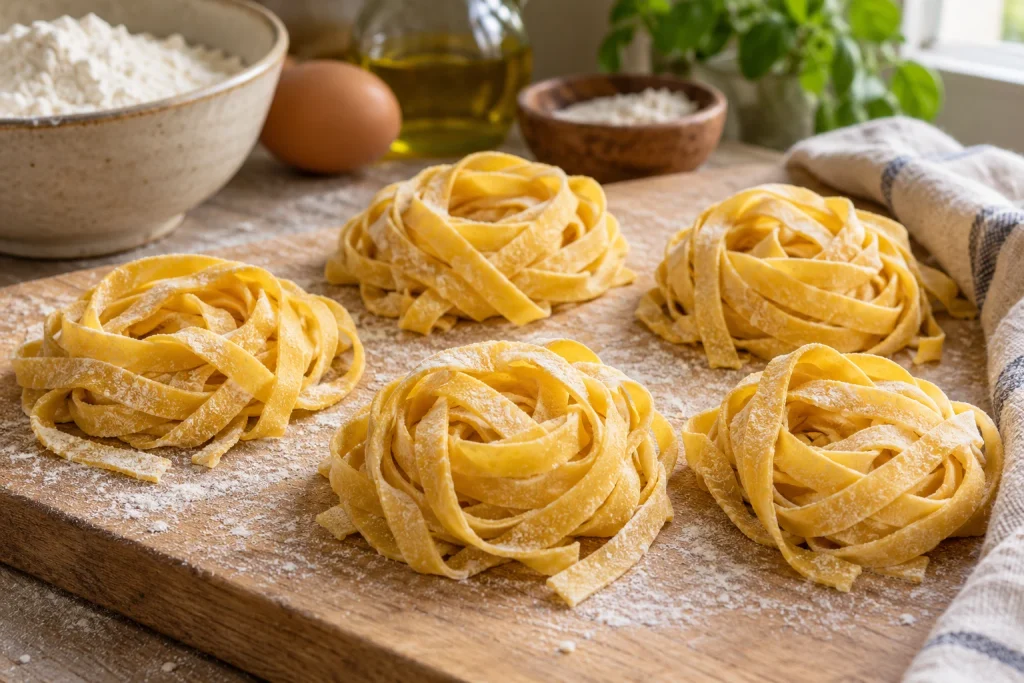
Step 3: Cook the pappardelle to al dente. Drop the pasta into the boiling water and cook according to the package directions, usually around 3 to 4 minutes for fresh and 8 to 10 for dried. Before you drain, dip a heatproof mug into the pot and reserve about a cup of the cloudy, starchy water. That water is liquid gold — it is what emulsifies the butter into a silky sauce.
Step 4: Build the garlic butter base. Push the mushrooms to one side of the skillet. Add the remaining butter, the minced garlic, the red pepper flakes if you like a little warmth, and a squeeze of lemon juice. Let the garlic soften for about 30 seconds — you want it fragrant, not browned. Lower the heat to medium-low.
Step 5: Toss everything together. Add the drained pappardelle to the skillet along with about half a cup of the reserved pasta water. Using tongs, lift and turn the pasta gently until every ribbon is glossy with sauce. If it looks tight, add another splash of pasta water. Stir in the parmesan off the heat so it melts smoothly without clumping.
Step 6: Finish and serve. Taste, adjust with salt and pepper, and finish with another small squeeze of lemon and a shower of fresh parsley. Plate it in shallow bowls so the mushrooms can perch on top of the ribbons. Pass extra parmesan at the table — there is no such thing as too much.
Creative Twists
Add a splash of cream. If you want a slightly richer sauce, stir in a quarter cup of heavy cream along with the pasta water. It turns the butter sauce into something closer to an Alfredo, but with far more depth from the mushrooms.
Swap in wild mushrooms. A mix of cremini, shiitake, and oyster mushrooms turns this into a deeply earthy, almost restaurant-worthy plate. Just make sure to cook them in batches so they brown instead of steam.
Make it herby. A tablespoon of fresh thyme leaves added with the garlic, plus a handful of torn basil at the end, gives the whole dish a more fragrant, almost garden-like character.
Turn up the heat. A pinch more red pepper flakes and a tiny anchovy melted into the butter at the start adds an umami backbone that is hard to put your finger on but impossible to forget.
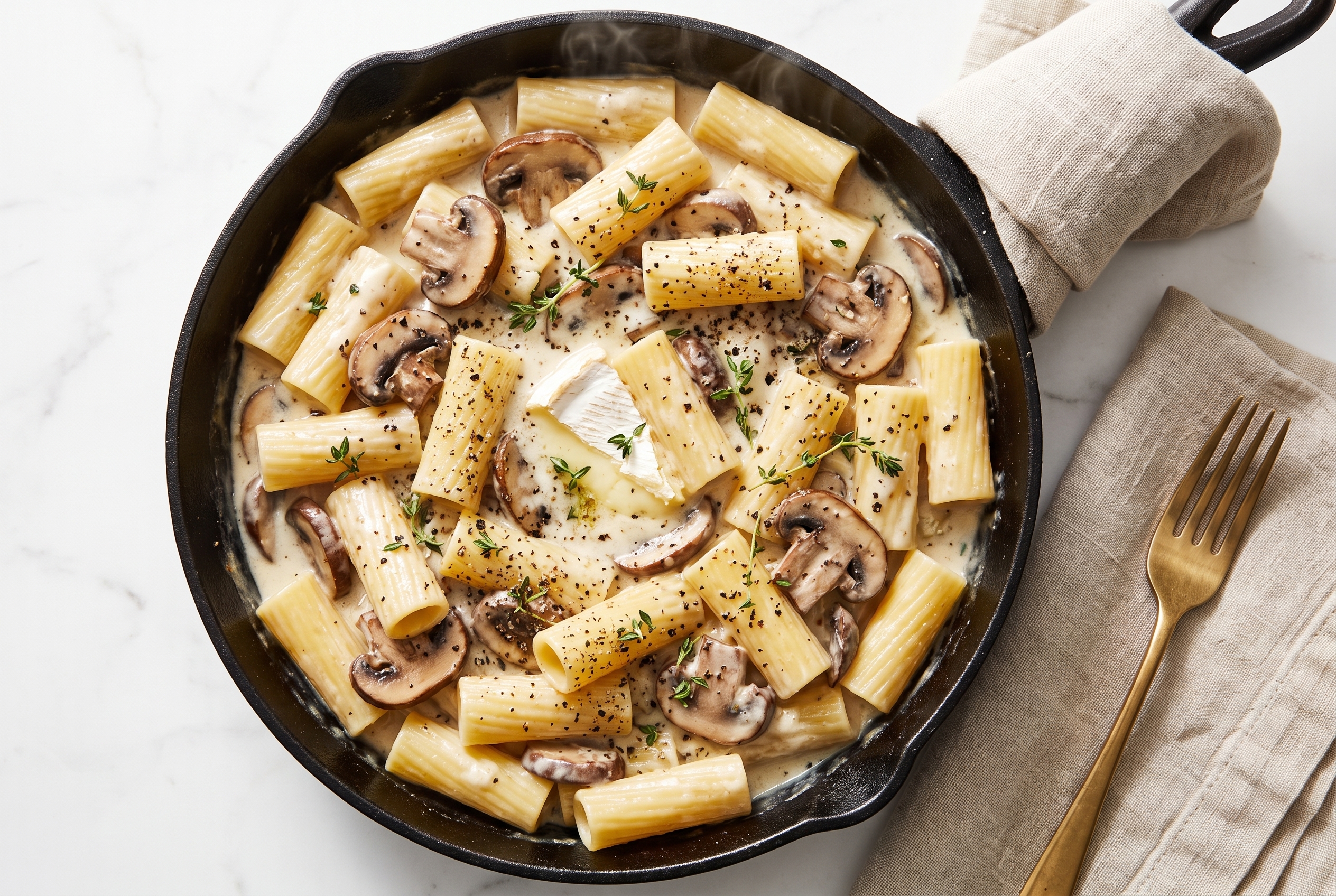
Use whatever pasta you have. Tagliatelle, fettuccine, or even a sturdy rigatoni will work. Pappardelle is my favorite because the wide ribbons hold the buttery sauce like a little hammock, but do not let the pasta aisle dictate your dinner.
Serving and Pairing Ideas
What do you usually reach for alongside a buttery pasta? I love a simple peppery arugula salad with a squeeze of lemon and a glug of good olive oil — it cuts through the richness beautifully. Warm, crusty bread for mopping up the sauce is non-negotiable in my kitchen. And a glass of crisp white wine, something like a Pinot Grigio or a dry Sauvignon Blanc, makes the whole meal feel like a small celebration.
For a heartier spread, this pasta sits happily next to a simple roast chicken or a tray of lemon-roasted vegetables. The leftovers, by the way, are arguably better the next day, eaten cold from the fridge while standing at the counter. I will not apologize for that habit.
Why I Love This Recipe
There is a particular kind of cooking that does not need to announce itself. No blowtorch, no foam, no towering stack of microgreens. Just butter sizzling in a pan, the smell of garlic filling the kitchen, and pasta water doing the quiet work of bringing everything together. This is the pasta I make when I am tired, when I am happy, when someone I love needs a little lift.
It also taught me something I did not expect: that a sauce without cream can be just as luxurious as one with. The emulsion of butter, starchy water, and parmesan is every bit as silky, and it lets the mushrooms stay the star. That matters to me, because the mushrooms — golden, garlicky, and meaty — are the whole reason I come back to this recipe week after week.
Storage and Batch Cooking
Fragrant, garlicky pasta does not love the fridge for more than two days, but you can absolutely plan ahead. The mushroom base — browned mushrooms, garlic, and butter — keeps in an airtight container for up to three days. When you are ready to eat, cook fresh pasta, warm the mushroom mixture in a skillet, and toss everything together with a fresh splash of pasta water and parmesan.
For freezing, the cooked mushroom base freezes well for up to two months. Thaw overnight in the fridge, reheat gently with a splash of water, and finish with fresh pasta and cheese. I do not recommend freezing the finished dish — the texture of the pasta suffers — but the base itself is a wonderful little timesaver for a busy week.
Troubleshooting Your Sauce
My sauce looks greasy and split. This usually means the heat was too high when you added the parmesan, or the pasta water was not starchy enough. Lower the heat, add another splash of warm pasta water, and whisk gently until the sauce comes back together.
My pasta is dry and clumpy. Almost always a sign that the sauce needed more pasta water. Add a quarter cup at a time, tossing gently with tongs, until the ribbons loosen and look glossy again. Do not be shy — wide noodles drink up liquid fast.
The mushrooms are pale and rubbery. The pan was too crowded or the heat too low. Mushrooms need space and high heat to brown. Cook them in two batches if you have to — it is worth the extra five minutes for that deep, caramelized flavor.
Your Quick Questions, Answered
Can I use a different pasta shape? Absolutely. Tagliatelle, fettuccine, or a short tube pasta all work well. Just adjust the cooking time so the pasta stays al dente and can hold the sauce.
Is there a substitute for parmesan? Pecorino Romano is a wonderful, saltier alternative. For a vegetarian version, look for a rennet-free parmesan — most grocery stores carry at least one option these days.
Can I make this gluten-free? Yes. Use your favorite gluten-free pappardelle or fettuccine, and cook it a minute less than the package suggests since it can turn mushy quickly. Everything else in the recipe is naturally gluten-free.
What kind of mushrooms work best? Cremini (baby bellas) are my everyday choice for their deep, earthy flavor. Shiitake, oyster, or a wild mushroom mix will all be lovely. Even white button mushrooms will work — just make sure to brown them well.
How do I reheat leftovers without drying them out? Add a splash of water to a skillet over low heat, add the pasta, and toss gently until warmed through. The microwave works in a pinch, but the stovetop keeps the sauce silky.
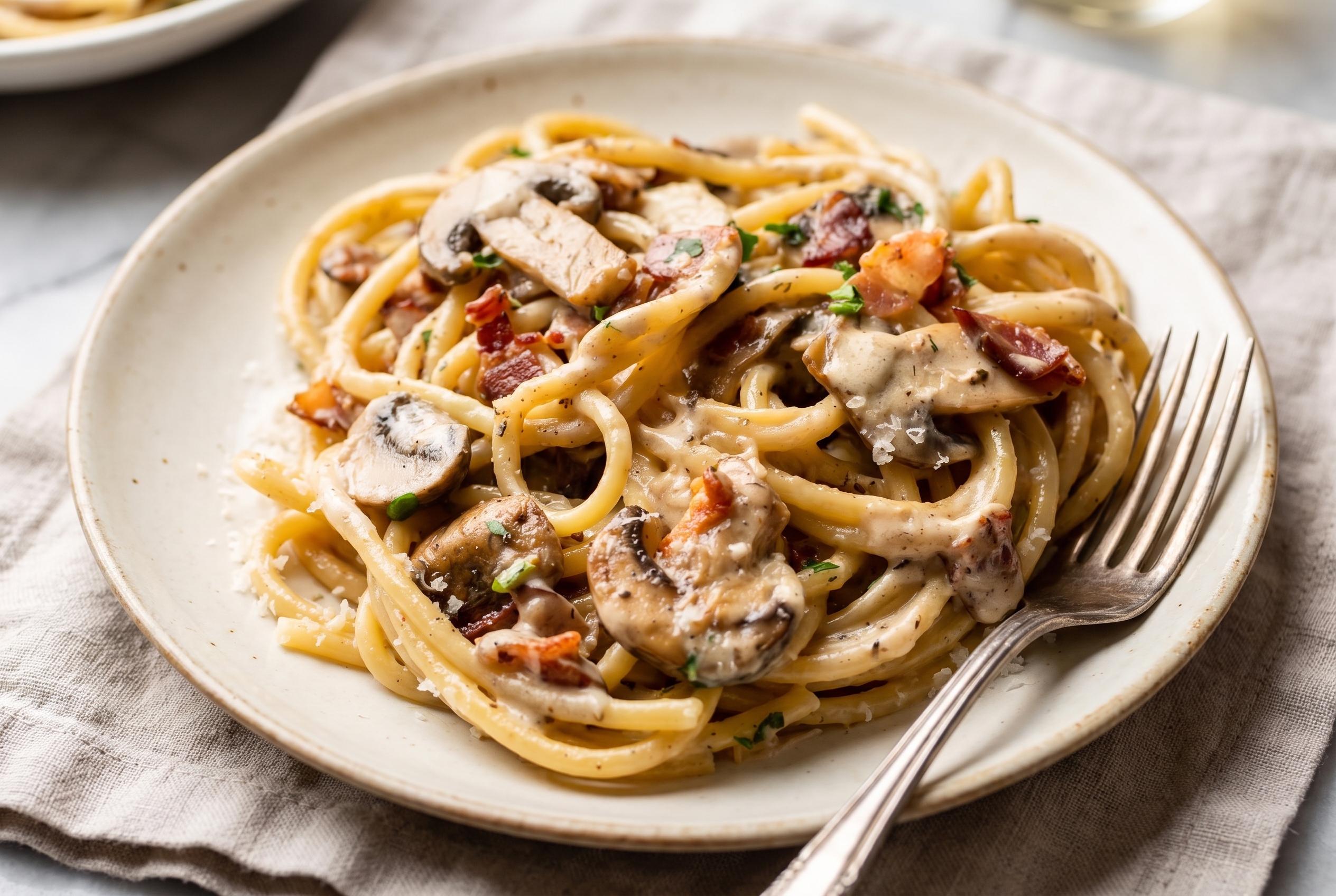
Can I add protein to this dish? Of course. Crispy pancetta, browned Italian sausage, or even shredded rotisserie chicken all nestle beautifully into the butter sauce. Add them in at the end so they warm through without overcooking.
A Few Last Thoughts
This garlic butter mushroom pappardelle is, in many ways, the recipe I wish I had known twenty years ago. It is forgiving, fast, and deeply satisfying — the kind of dinner that turns a regular evening into a small occasion. I have made it for first dates, for my kids on snow days, and once for a neighbor who had just lost her husband. Every time, it lands the same way: warm, comforting, and quietly generous.
If you make this, I would love to hear how it turned out. Did you stick with the classic version, or did you tuck in a twist of your own? Drop a comment below, send me a note through the about page, or just tell me the next time we cross paths at a dinner party. Until then — keep a pot of salted water on the stove, and a wedge of good parmesan within arm’s reach.
Wide ribbons of pappardelle tossed in a glossy butter-garlic sauce with golden cremini mushrooms, lemon, and parmesan. A 25-minute weeknight pasta that tastes like a Sunday dinner.
Ingredients
Instructions
Bring a large pot of water to a rolling boil. Add a generous tablespoon of sea salt — the water should taste like the sea. While the water heats, slice the mushrooms, mince the garlic, and chop the parsley so everything is ready to go.
In a wide skillet, melt 2 tablespoons of the butter with the olive oil over medium-high heat. When the butter foams, add the mushrooms in a single layer. Do not stir for 2 minutes — let them brown deeply. Flip, brown the other side, then season with salt and pepper.
Drop the pappardelle into the boiling water and cook to al dente according to package directions. Before draining, reserve 1 cup of the starchy pasta water. This water is the key to the silky sauce.
Push the mushrooms to one side of the skillet. Add the remaining 2 tablespoons of butter, the garlic, the red pepper flakes, and the lemon juice. Let the garlic soften for 30 seconds — fragrant, not browned. Lower the heat to medium-low.
Add the drained pasta to the skillet with 1/2 cup of the reserved pasta water. Toss gently with tongs until every ribbon is glossy. Add more pasta water a splash at a time if the sauce looks tight.
Off the heat, stir in the parmesan until smooth. Taste, adjust seasoning, and finish with the chopped parsley. Plate in shallow bowls, top with extra parmesan, and serve immediately with crusty bread.
Notes
For an even richer sauce, stir in 1/4 cup of heavy cream along with the pasta water. To make this gluten-free, swap in your favorite gluten-free pappardelle or fettuccine. The mushroom base can be made up to 3 days ahead and reheated with fresh pasta when ready to serve.
Keywords:pappardelle, garlic butter pasta, mushroom pasta, weeknight pasta, vegetarian pasta
Elowen Thorn I cook, photograph and re-test every recipe in an ordinary home kitchen before it goes up, so what you make matches what you see. Savory Discovery is where simple weeknight cooking, seasonal ideas and the odd bit of kitchen craft sit side by side — written plainly, and worth cooking twice.