


Why I Still Make Fig Jam Every Summer
My grandma had a fig tree in her backyard. It was gnarled and old, but every August it gave us the sweetest fruit. I remember standing on a chair to reach the top branches. I still laugh at that memory of me wobbling with a basket.
This low sugar fig jam tastes just like those sunny afternoons. It is not too sweet. The lemon and seeds add a little brightness and help the jam set just right. Have you ever tasted jam that felt like a hug? That is this one.
*Fun fact: The lemon seeds contain natural pectin. That is what makes your jam thick without needing extra powder.*
The Simple Secret to Less Sugar
Most store jams are packed with sugar. You do not need that much. This recipe uses only 1.7 pounds of sugar for 4 pounds of figs. The fruit does most of the work.
Why does this matter? Less sugar means you taste the real fig. You get that rich, honey-like flavor without feeling sleepy after one spoonful. It also means the jam is healthier for your family. Do you ever check the sugar on your jam jar? You might be surprised.
How to Know When the Jam Is Ready
The spoon test is my favorite trick. You scoop a little hot jam on a cold spoon. Let it sit on the counter for five minutes. Then tip the spoon. If the jam slides off slowly like syrup, you are done.
I ruined my first batch because I was impatient. I did not wait for the spoon to cool. The jam looked thin, so I kept cooking it. It turned into fruit leather. We still ate it on toast, but it was chewy. Learn from my mistake, friend.
Why does this matter? Getting the texture right means your jam will spread smoothly. It will not run off your biscuit or be too stiff to scoop. That makes breakfast better for everyone.
A Little Anecdote About Lemon Seeds
My neighbor once saw me dropping lemon seeds into the pot. She thought I had lost my mind. I had to explain that the seeds are full of natural pectin. She laughed and said she would try it. The next week, she brought me a jar of her fig jam with a note that said, “You were right.”
Doesn’t that feel good? Sharing a small kitchen secret can make someone’s day. It also saves you a trip to the store for pectin powder. Have you ever used a trick like this in your cooking?
How to Store Your Jam (Two Easy Ways)
You have two choices. The flip method is super easy. You fill hot jars, screw the lids on tight, and flip them upside down to cool overnight. The heat creates a seal. It works like a charm for small batches.
The water bath method takes a little more time but keeps the jam safe for up to a year. You boil the sealed jars in water for 15 minutes. Then let them cool on the counter. Check for a pop sound when the lids seal. That sound is music to a cook’s ears.
Which method do you use when you make jam? I switch between them depending on how much energy I have. Both work great.
One Tablespoon of Joy
Each tablespoon of this jam has only 36 calories. That means you can enjoy it without worry. Spread it on toast, swirl it into yogurt, or spoon it over vanilla ice cream. My grandson eats it straight from the jar with a spoon. I pretend not to notice.
This recipe makes about 128 tablespoons. That is a lot of happy mornings. Share a jar with a friend. You will both smile. What is your favorite way to eat fig jam? I would love to hear your ideas.
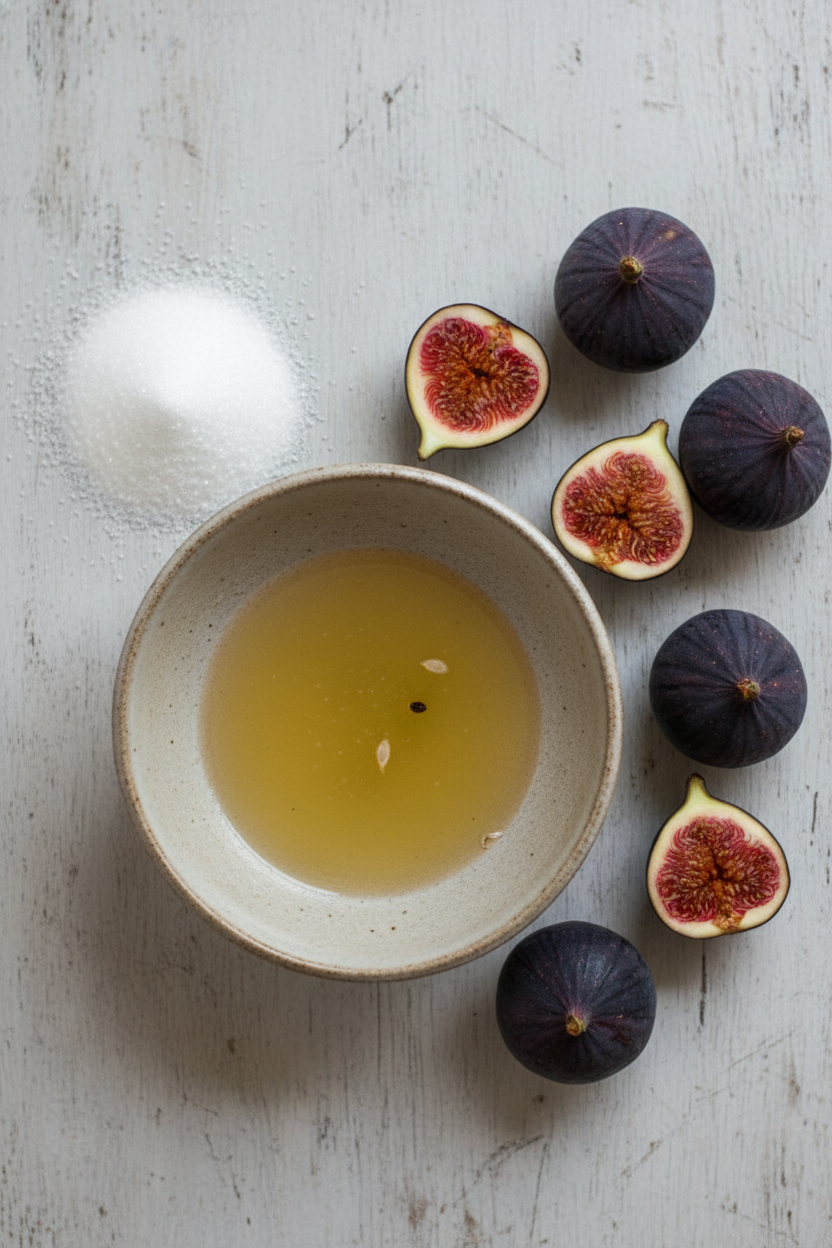
Ingredients:
| Ingredient | Amount | Notes |
|---|---|---|
| Ripe figs | 4 lbs | Stem removed and diced |
| Granulated sugar | 1.7 lbs | |
| Lemon juice | Juice of ½ lemon | |
| Lemon seeds | 4–6 seeds | Stirred in with juice |
Instructions
Step 1: Start with 4 pounds of ripe figs. Remove the stem from each one and dice them up. Add all the fruit to a bowl and weigh it. (I once forgot to weigh mine and the jam was too runny!)
Step 2: Add the figs and sugar to a big pot. Turn the heat to medium-high and bring it to a boil. Let it boil for five minutes, then turn the heat down to medium-low. Doesn’t that smell amazing already?
Step 3: Cook for 15-30 minutes until the fruit is soft. Use a potato masher or immersion blender to blend it. Add the juice of half a lemon and 4-6 lemon seeds, then stir. What is your favorite fruit to turn into jam? Share below!
Step 4: Keep cooking and stirring for about 10 more minutes. Do the spoon test to check thickness. Scoop a little jam on a spoon and let it cool for five minutes on the counter.
Step 5: Wash your jars and lids with hot soapy water. Pack the hot jam into jars, leaving 1/2 inch of space at the top. Use a bubble remover along the inside, then clean the rim with a damp paper towel.
Step 6: Close the jar with the lid. Flip it upside down and let it cool overnight. In the morning, flip it back, wipe it, and check the seal. It is ready for the pantry!
Creative Twists
… Toss in a sprig of fresh rosemary while cooking for a savory twist.
… Swap half the figs for diced apples for a chunkier, sweeter jam.
… Add a pinch of cinnamon and nutmeg for a warm, cozy flavor.
Which one would you try first? Comment below!
Serving & Pairing Ideas
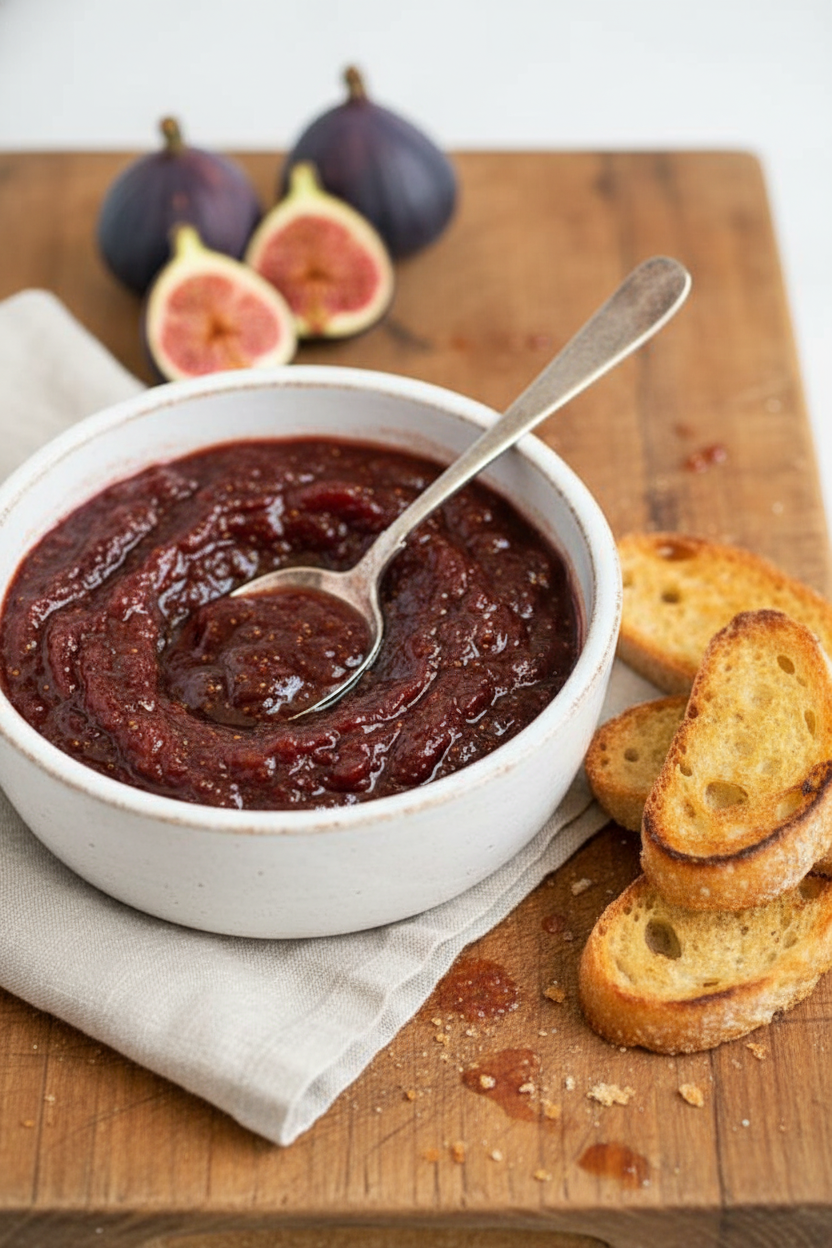
Spread this fig jam on warm buttermilk biscuits for a sweet breakfast treat. It also pairs beautifully with a sharp cheddar cheese and crackers for an easy snack. Drizzle a spoonful over vanilla ice cream for a simple, fancy dessert. I still remember serving this at a Sunday lunch and watching everyone smile. Which would you choose tonight?
My Best Tips for Storing Your Fig Jam
This jam is a real treat, and you will want to keep it fresh. Once you open a jar, store it in the fridge. It will stay good for about three weeks that way.
You can freeze extra jam, too. Just leave a little room at the top of the jar for the jam to expand. Have you ever tried storing it this way? Share below!
I remember my first time making jam. I did not know to keep it in the fridge after opening. I learned that lesson fast when I found mold.
Batch cooking jam matters because it fills your pantry with sweetness. It also saves you money and time later. You will always have a gift ready for a friend.
Three Common Fig Jam Problems and Easy Fixes
Sometimes your jam might not turn out perfect. That is okay. We all have kitchen hiccups, and they are easy to fix.
First, if your jam is too runny, you did not cook it long enough. Just put it back in the pot and let it boil a little longer. The spoon test from the recipe will help you get it right.
Second, if your jam is too stiff, you might have cooked it too long. Next time, check it a little earlier. I once left my jam on the stove while I answered the phone. It turned into fig taffy! Which of these problems have you run into before?
Third, if your jam tastes flat, you forgot the lemon juice. That little bit of acid wakes up the flavor. Fixing these issues matters because it builds your cooking confidence. You learn to trust your own eyes and hands.
Your Quick Questions, Answered
How do I prevent fig jam from crystallizing?
Crystallization happens when sugar forms hard little rocks in your jam. To prevent this, make sure all the sugar is fully dissolved before you bring the mixture to a full boil. Stir it gently and consistently in the beginning. Adding lemon juice also helps because the acid stops sugar crystals from forming. Always use clean, dry jars, too. Dampness can invite crystals to form over time.
What is the best ratio of sugar to figs for fig jam?
For a low-sugar jam, use about one cup of sugar for every two cups of fruit. In this recipe, we use 1.7 pounds of sugar for 4 pounds of figs. This keeps the jam sweet but lets the fig flavor shine through. If you like things sweeter, you can add more sugar. Just remember that too much sugar changes how the jam sets and firms up.
Do I need to add lemon juice or pectin to fig jam?
You do not need pectin if you follow this recipe. Figs have natural pectin in their skins, which helps the jam thicken. You do need lemon juice, though. It adds a bright flavor and helps the jam set. The lemon seeds also have natural pectin. That is why we include them in the pot as the jam cooks. It is a simple trick that works every time.
How long should I process fig jam in a water bath canner?
Process both half-pint and pint jars for 15 minutes in a boiling water bath. Make sure the water covers the jars by at least one inch. If you live above 1,000 feet in elevation, you need to add more time. Check a canning chart for your exact altitude. This step seals the jars so your jam stays safe and tasty on the pantry shelf for up to a year. Which tip will you try first?
Can I use dried figs to make fig jam for canning?
Yes, you can use dried figs, but the jam will be different. Dried figs have less water, so the jam will be very thick. You will need to rehydrate the figs first by soaking them in warm water for an hour. Then, chop them and follow the recipe. The flavor will be more concentrated and chewy. It is a good option if fresh figs are not in season where you live.
Why is my fig jam too runny and how can I fix it?
Your jam is runny because it did not cook long enough to release the natural pectin. The fix is simple. Pour the runny jam back into the pot and bring it to a low boil again. Cook it for another 10 minutes, stirring often. Then, perform the spoon test from the recipe. If the jam slides off the spoon like thick syrup instead of water, you got it. Remember, patience is the key to perfect jam.
A Sweet Goodbye from My Kitchen to Yours
I hope you feel ready to make this low-sugar fig jam. It is a lovely way to save the taste of summer. Have you tried this recipe? I would love to hear how it turned out for you.
There is nothing quite like the feeling of opening a jar of your own jam in the middle of winter. It is like finding a little bit of sunshine. Please leave a comment and tell me your jam stories.
*Fun fact: Figs are actually inverted flowers, not fruit! That is why they are so sweet.
Happy cooking!
—Grace Ellington.

A Home Canning Experts Guide to Perfect Fig Jam
Description
A complete step-by-step guide to making perfect fig jam at home with canning instructions.
Ingredients
Instructions
- Step one – prepare the figs: Start with 4 lbs of ripe figs. Remove the stem from each fig and dice your figs. Add all the fruit to a bowl and weigh your fruit.
- Step two – bring the mixture to a boil: Add the figs and sugar to the pot. Turn the heat to medium-high and bring the mixture to a boil. Let it boil for five minutes before lowering the heat to medium-low for the rest of the cooking.
- Step three – mash the jam and add lemon juice and seeds: Keep cooking for an additional 15-30 minutes and once the fruit is soft, use a potato masher or an immersion blender to blend it. Then, add the juice of half a lemon and 4-6 lemon seeds and stir them in.
- Step four – check if the jam is ready: Keep cooking, stirring frequently for an additional 10 minutes or so until the jam gels. Use the spoon test to help you measure the thickness of the jam: Scoop a little bit of jam on a spoon and set it on the kitchen counter to cool for five minutes. Then, add the jam back into the pot and as it leaves the spoon you will be able to measure how thick it is.
- Step five – can your fig jam: Option one: Wash your jars and lids well with hot water and dish soap. Pack the jars with the very hot jam, leaving 1/2 inch of headspace. Use a bubble remover to remove bubbles by scraping it along the inside of the jar. Use a damp paper towel to clean the rim of the jar and close it with the lid. Flip the jar upside down and let it cool completely overnight. In the morning, flip it back, wipe it, and it should be sealed and ready for storage in the pantry. Option two: To your water bath canner, add enough water to cover the jars by at least an inch. Set it on the stovetop and turn the heat to high. Bring the water to a boil. Wash the jars, lids, and bands with hot water and soap. Fill your jars with the hot jam making sure to leave 1/2 inch of headspace. Use the bubble remover to remove bubbles by scraping it along the inside of the jar. Use a damp paper towel to clean the rim of the jar before you center the lid and close the jar with the band finger tight. Set the jars on the rack of the water bath canner and lower them into the boiling water. Cover the canner and process both half-pint and pint jars for 15 minutes. Make sure to adjust processing time according to the table below if you live over 1000 feet in elevation. When the processing time is over, turn the heat off and uncover the canner. Let the jars rest in the hot water for five minutes before using the jar lifters to remove them from the canner. Set them on a kitchen towel on the counter to cool overnight. Check that the jars have sealed by pressing the center of each lid. Wipe the jar and remove the bands before you store it in the pantry.
Notes
- Yield: 128 servings (1 tablespoon each). Calories: 36 per serving. Total Fat: 0g, Saturated Fat: 0g, Trans Fat: 0g, Unsaturated Fat: 0g, Cholesterol: 0mg, Sodium: 1mg, Carbohydrates: 9g, Fiber: 1g, Sugar: 9g, Protein: 0g.