


The First Time I Made Jam
The first time I made apricot jam, I was twelve years old. My grandmother stood right next to me in her small kitchen. I spilled sugar all over the counter, and she just laughed. I still laugh at that memory.
That sticky mess taught me something important. You don’t need to be perfect to make something beautiful. Have you ever made a big mess while cooking something special?
Why Apricots Are So Special
Apricots are like little pockets of sunshine. They are sweet but also a tiny bit tart. When you cook them, the whole house smells like summer. Doesn’t that smell amazing?
Fun fact: Apricots were first grown in China over 4,000 years ago. People have been loving them for a very long time.
This matters because using fresh fruit connects us to the past. We are doing what our great-great-grandparents did. It is a simple pleasure that never gets old.
Picking the Right Apricots
You want apricots that are soft but not mushy. Give them a gentle squeeze at the store. If they smell sweet, they are ready.
I once bought hard green apricots by mistake. The jam turned out sour and sad. Now I always sniff them first. What is your favorite fruit to pick fresh?
The Magic of Simple Ingredients
You only need three main things: apricots, sugar, and lemon juice. That is all. The sugar helps the jam stay good for months. The lemon juice gives it a little zing.
If you want to add vanilla or cinnamon, go ahead. But the plain version is already wonderful. This matters because you don’t need fancy stuff to make something great. Simple is often best.
Stirring and Waiting
Cooking jam takes patience. You stir, wait, and stir some more. The apricots break down into a thick, golden treasure.
I always let my kids stir the pot when they were little. They would get sleepy from the warm steam. It became our quiet afternoon ritual.
Here is a little poll: Do you like your jam chunky or smooth? Tell me in the comments below.
Why We Seal the Jars
We boil the jars to keep the jam safe. It sounds fancy, but it is just a hot water bath. This kills any tiny germs that might spoil your hard work.
This matters because homemade jam can last a whole year. You can open a jar in winter and taste summer again. That is a special kind of magic.
The Best Part: Sharing
My favorite part is giving jars away to friends and neighbors. Watching their faces light up makes my heart happy. One jar of jam can say “I care about you” without any words.
Have you ever given a homemade gift to someone? How did it make you feel? I would love to hear your stories.
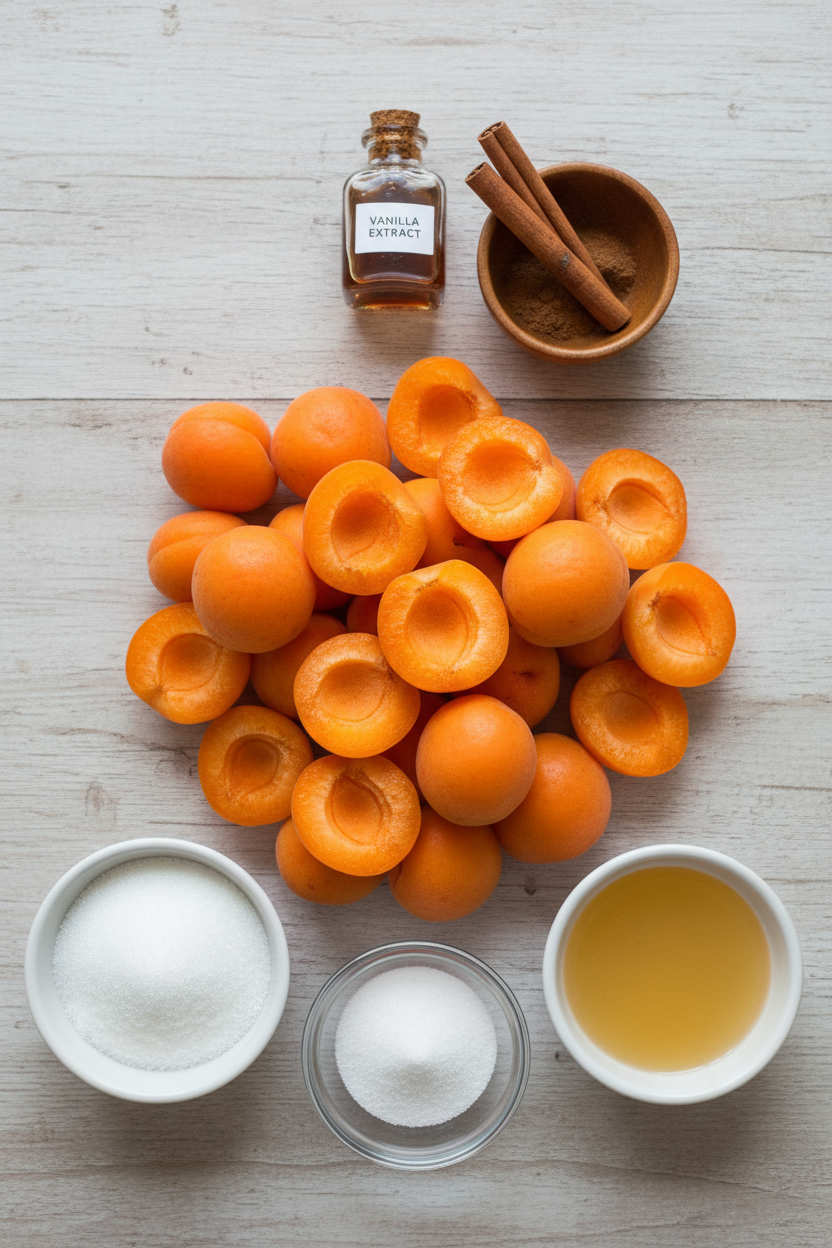
Ingredients:
| Ingredient | Amount | Notes |
|---|---|---|
| Fresh, ripe apricots | 2 pounds (about 900 grams) | Wash, pit, and chop into small pieces |
| Granulated sugar | 2 cups (about 400 grams) | |
| Freshly squeezed lemon juice | 2 tablespoons (30 milliliters) | |
| Powdered pectin | 1 packet (about 1.75 ounces or 49 grams) | Optional; follow package instructions if using |
| Vanilla extract, cinnamon, or grated citrus zest | To taste | Optional flavorings |
Instructions
Step 1: Wash the apricots well under cool water. Then, cut each one open and take out the pit. Chop the fruit into small, even pieces.
Step 2: Put the chopped apricots into a big pot. Add the sugar and the lemon juice. Give it a good stir until everything is mixed.
Step 3: Cook over medium heat. Stir now and then. Watch the jam bubble and thicken. (If you stir too little, the bottom might burn. I learned that the hard way.)
Step 4: If you want a thicker jam, add pectin now. Follow the packet directions. Let it boil until it looks like a soft jelly. What color does your jam turn? Share below!
Step 5: Scoop the hot jam into clean jars. Leave a little space at the top. Screw the lids on tight, then process them in a hot water bath.
Step 6: Let the jars cool down. Listen for that pop sound. That means the lids are sealed. Store them in a cool, dark spot. Doesn’t that smell amazing?
Creative Twists
… Stir in a pinch of cinnamon for a warm, cozy taste.
… Add a drop of vanilla extract for a sweet surprise.
… Grate in some orange zest for a fresh, sunny flavor.
Which one would you try first? Comment below!
Serving & Pairing Ideas
Slather this jam on fluffy buttermilk biscuits for breakfast. Drizzle it over a bowl of creamy yogurt for a quick snack. Try it on a cheese plate with soft brie. The sweet apricot and salty cheese are a perfect match. Which would you choose tonight?
Storing Your Apricot Jam the Right Way
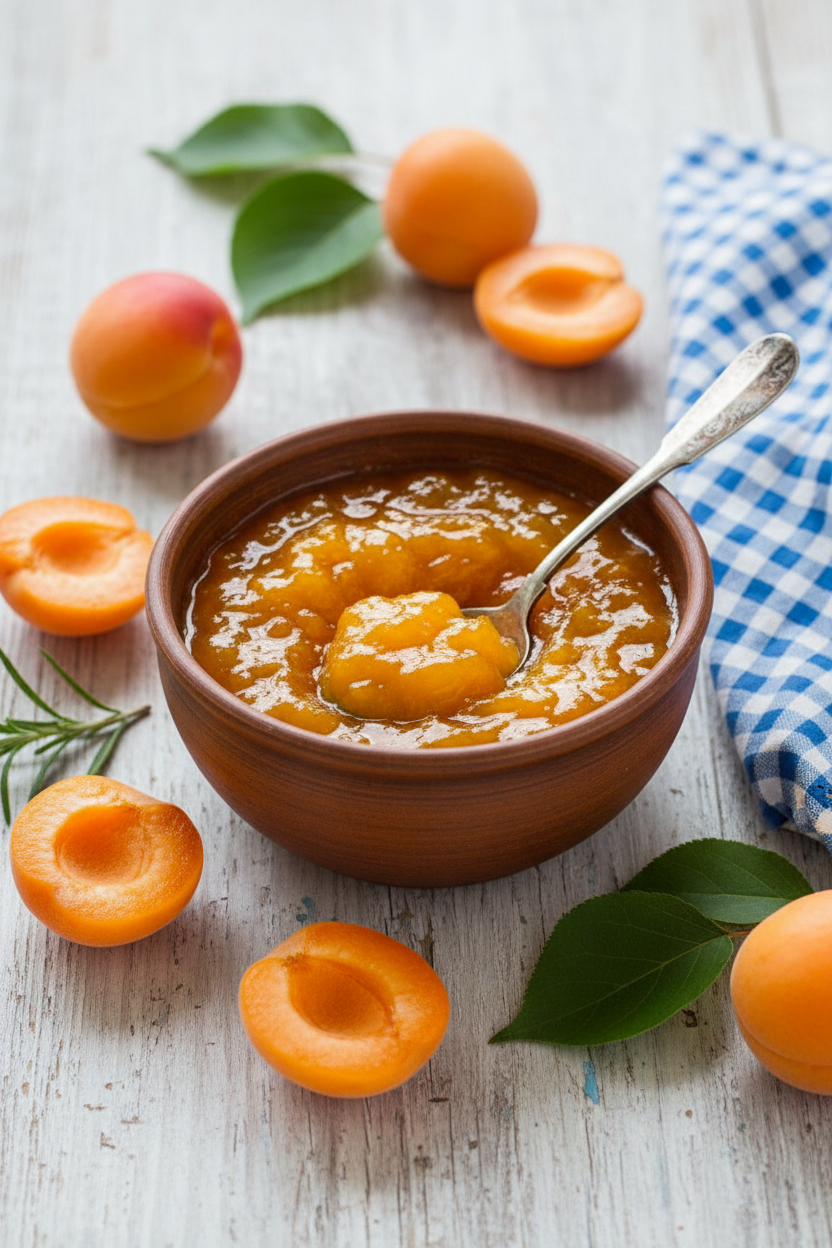
Homemade apricot jam is a treasure. You want it to last. The fridge is perfect for an opened jar. It stays good for about three weeks. For long-term storage, keep unopened jars in a cool, dark pantry. I remember my first batch. I hid a jar in the back of the pantry. Six months later, it tasted like summer. That is why proper storage matters. It saves you time and money. It also lets you enjoy fruit all year. If you make a big batch, share it with neighbors. Batch cooking is a gift to your future self. Have you ever tried storing it this way? Share below!
Reheating jam is simple. Just scoop out what you need. Let it sit at room temperature for ten minutes. Do not microwave the whole jar. That can ruin the texture. Warm the jam gently in a small pot if you want it runny. Pour it over pancakes or yogurt. It is a quick way to brighten a weekday breakfast.
Three Common Jam Problems and Easy Fixes
First, your jam is too runny. This happens when you do not cook it long enough. Just simmer it a few more minutes. Stir often so it does not burn. I once had a batch that looked like soup. I left it on the stove while I folded laundry. An extra ten minutes made it perfect. Why this matters? Thick jam spreads better and looks prettier on toast. It also keeps longer.
Second, your jam is too stiff. That means you cooked it too long or added too much pectin. Next time, use less pectin or cook it for a shorter time. You can also stir in a splash of water to loosen it up. Why this matters? You want a jam that is easy to spread, not a brick. Good texture makes cooking more fun and less stressful.
Third, your jam has sugar crystals. This happens if the sugar does not dissolve fully. Always stir until the sugar melts before boiling. I remember my grandma yelling, “Patience, child!” while I rushed. She was right. Which of these problems have you run into before?
Your Quick Questions, Answered
How long do you process apricot jam in a water bath canner?
You need to process your apricot jam for ten minutes if you live at sea level. If you live higher than 1,000 feet, add five extra minutes. This boiling water bath kills any bacteria inside the jar. It also creates a tight seal on the lid. Always start the timer after the water returns to a full boil. This step keeps your jam safe to eat for up to a year.
Can you reduce the sugar in homemade apricot jam for canning?
Yes, you can reduce the sugar, but you must be careful. Sugar helps preserve the jam and stop mold from growing. If you cut the sugar by more than half, the jam might spoil. Use a low-sugar pectin made for reduced-sugar recipes. This special pectin helps the jam set without all the sugar. The flavor will be more tart and fruity, which many people love.
Do you need to add pectin to apricot jam?
No, you do not need to add pectin if you use ripe apricots. Apricots have natural pectin in their skins and pits. Cooking them with sugar and lemon juice helps release it. The lemon juice adds acid, which helps the jam gel. If your apricots are very ripe or watery, add pectin for a firmer set. It is your choice based on the texture you like.
How do you know when apricot jam is set without a thermometer?
Use the cold plate test. Place a small plate in the freezer for ten minutes. Drop a spoonful of hot jam onto the cold plate. Wait thirty seconds, then push the jam with your finger. If it wrinkles and does not run back together, it is ready. If it stays liquid, cook it for two more minutes. This old trick never fails.
What is the best type of apricot for making jam?
Look for Blenheim or Royal apricots. These varieties are sweet, juicy, and full of flavor. They break down nicely when cooked, creating a smooth jam. Avoid hard, green apricots because they lack natural sugar. Ripe apricots that are slightly soft give the best color and taste. Farmers markets often carry the best varieties in early summer.
Can you reuse lids for canning apricot jam?
No, you should never reuse metal canning lids. The sealing compound on the rim only works once. Old lids may not create a tight seal, which lets bacteria inside. You can reuse the screw bands if they are not rusty or bent. Always buy new lids for each batch of jam. This small cost protects all your hard work. Which tip will you try first?
*Fun fact: Apricots are related to peaches and plums. They are all part of the stone fruit family.*
A Final Spoonful from My Kitchen
I hope you feel ready to make your own apricot jam. It is a simple joy that connects us to the seasons. Every jar holds a memory of sunshine and sweet fruit. I love hearing about your kitchen adventures. Have you tried this recipe? Please tell me in the comments. Share a story about who you shared your jam with. Happy cooking!
—Grace Ellington.

Homemade Apricot Jam Canning Guide by Expert
Description
Enjoy this homemade apricot jam made with fresh ripe apricots, sugar, and lemon juice. Perfect for canning and gifting.
Ingredients
Instructions
- Wash and pit the apricots, then chop them into small pieces. Prepare the canning jars by washing them thoroughly and sterilizing them in boiling water.
- In a large pot or saucepan, combine the chopped apricots, sugar, and lemon juice. Cook the mixture over medium heat, stirring occasionally, until the apricots are soft and the sugar has dissolved.
- If using commercial pectin, add it to the mixture according to the package instructions. Continue to cook the jam until it reaches the desired consistency, thickening to a gel-like texture.
- Ladle the hot jam into sterilized jars, leaving a small space at the top. Seal the jars tightly with lids and process them in a boiling water bath to ensure proper preservation.
- Allow the jars to cool completely before storing them in a cool, dark place. Enjoy your homemade apricot jam on toast, pastries, or as a delightful gift for friends and family.
Notes
- For added flavor, stir in vanilla extract, cinnamon, or grated citrus zest during the cooking process.