


My First Bavarian Cream
I first made this cream for my husband’s birthday. I was so nervous. It felt like a fancy restaurant dessert. But you know what? It was simple. It just needs a little patience and a gentle hand.
That creamy, dreamy texture is pure magic. It matters because it turns a simple cake into something special. It says “I made this just for you.” Have you ever tried a dessert that felt too fancy to make at home?
The Secret is in the Bloom
Let’s start with the gelatin. You sprinkle it on cold water. Then you wait. It turns into a wobbly, soft blob. This is called “blooming.” It wakes the gelatin up gently.
If you add dry gelatin to hot liquid, it clumps. Nobody wants little rubbery bits in their cream! This step matters. It makes everything smooth as silk. *Fun fact: gelatin comes from animal collagen. It’s what gives this cream its lovely, firm set.*
A Custard with Care
Now, the custard. You heat milk with sugar and a vanilla bean. Doesn’t that smell amazing? Scraping the tiny seeds from the bean is my favorite part. It feels like unlocking flavor.
Then you mix the hot milk with the egg yolks. Do this slowly. You are “tempering” them. This keeps the eggs from turning into scrambled eggs in your cream! I still laugh at my first try. I poured too fast. Let’s just say it was a sweet, vanilla-flavored omelet.
The Gentle Fold
After the custard cools, you whip the heavy cream. Whip it just until soft peaks form. It should look like a fluffy cloud. Now, fold it into the custard.
Folding is not stirring. Use a big spatula. Turn the mixture over gently. You want to keep all that air in the cream. This is what makes the final dessert light and airy. What’s your favorite tool for folding? A spatula, or a big wooden spoon?
Let Time Do Its Work
The last step is the hardest. You must wait. Put your cream in the fridge for at least four hours. Let it set. It needs a good, long nap.
When you take it out, it will be perfect. Firm but soft. It’s ready to fill a cake, top a pie, or eat with a spoon. This waiting matters. Good things take time. What will you put your first batch of Bavarian cream in? Tell me your plan!
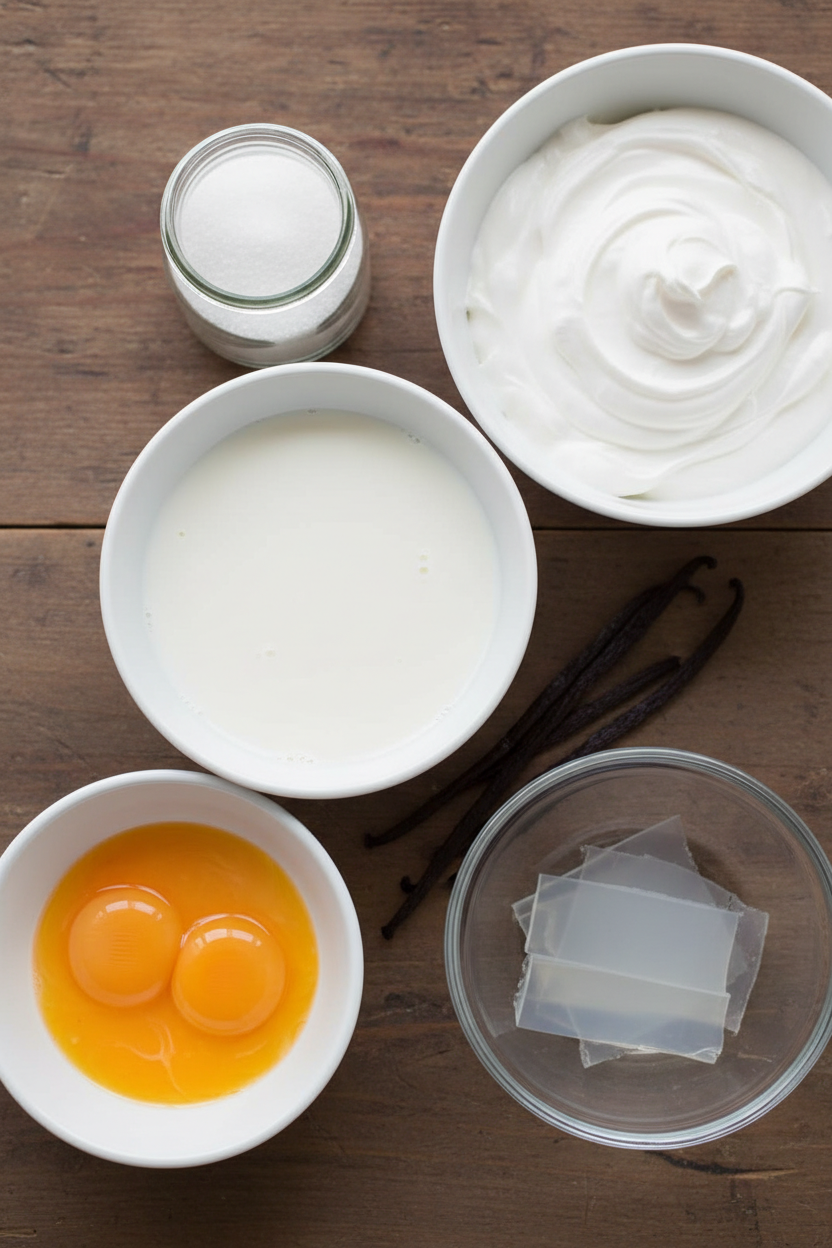
Ingredients:
| Ingredient | Amount | Notes |
|---|---|---|
| Whole milk | 2 cups (480 ml) | |
| Granulated sugar | 1/2 cup (100 g), divided | Divided for milk and egg yolks |
| Vanilla bean | 1, split | Or 2 teaspoons vanilla extract |
| Large egg yolks | 4 | |
| Unflavored gelatin | 2 1/2 teaspoons (1 packet) | |
| Cold water | 3 tablespoons (45 ml) | For blooming the gelatin |
| Heavy whipping cream | 1 cup (240 ml) |
Instructions
Step 1: First, sprinkle the gelatin over cold water. Let it sit for 5 minutes. It will look like soft, wobbly jelly. This step is very important. (Always use cold water for this, not warm!)
Step 2: Now, heat the milk with half the sugar. Add the seeds from a vanilla bean. Doesn’t that smell amazing? Heat it until it’s just steaming. You want it warm, not boiling hot.
Step 3: Whisk the egg yolks with the rest of the sugar. They’ll turn a pretty pale yellow. Slowly add some of the warm milk to the yolks. This keeps them from scrambling. Why do we do this slowly? Share below!
Step 4: Pour the yolk mix back into the pot. Cook on low, stirring all the time. It’s done when it coats your spoon. I still laugh at how I rushed this once. Let it cool a bit after you strain it.
Step 5: Whip the cream until it’s fluffy. Gently fold it into your cool custard. Be patient and gentle. Pour it into your dish and chill for hours. The waiting is the hardest part!
Creative Twists
Berry Swirl: Fold in some mashed raspberries for a pink, fruity cream.
Chocolate Dream: Melt some chocolate into the warm custard for a rich treat.
Orange Zest: Add a little orange zest to the milk as it heats. So bright and fresh!
Which one would you try first? Comment below!
Serving & Pairing Ideas
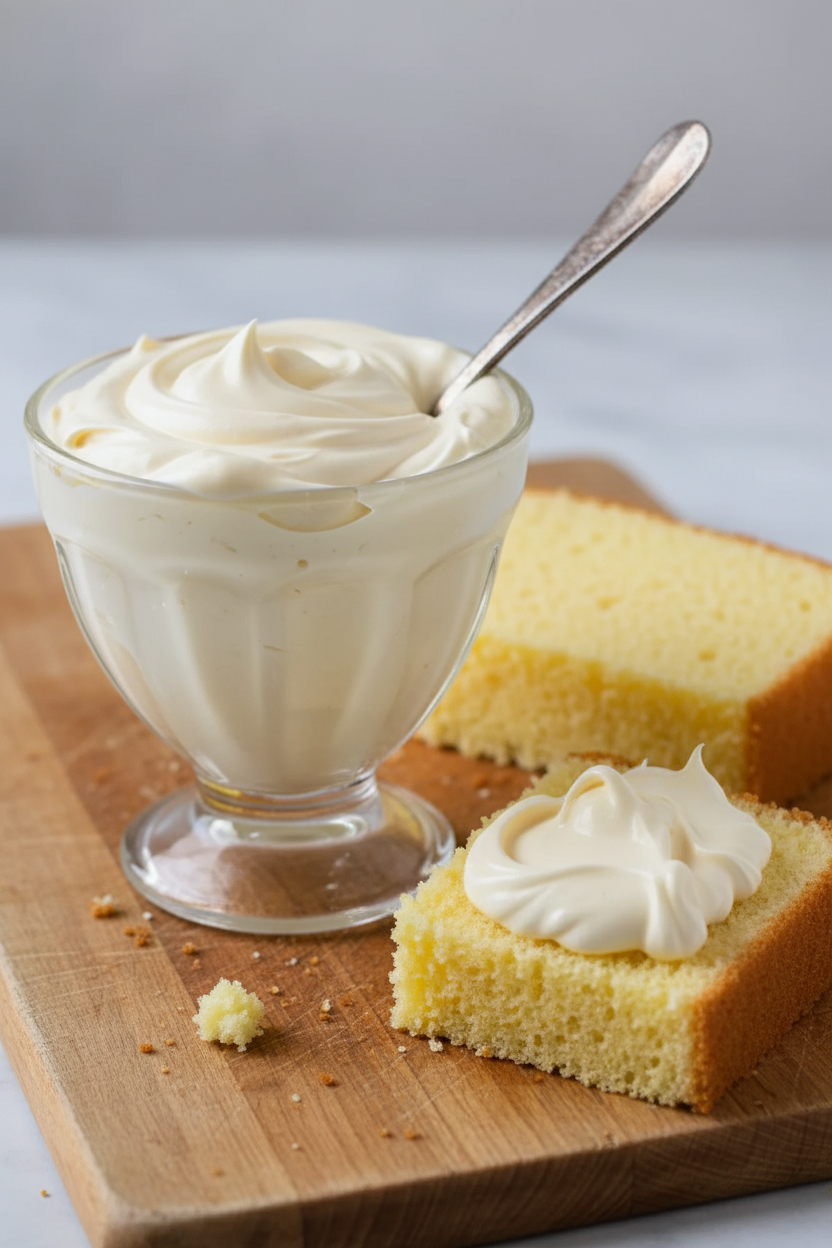
This cream is so versatile. Spoon it into pretty glasses with fresh berries. Or use it to fill a simple sponge cake. For a fancy touch, top it with a sprinkle of crushed, toasted nuts. The crunch is wonderful with the smooth cream. Which would you choose tonight?
Keeping Your Bavarian Cream Dreamy
Let’s talk about storing this lovely cream. It needs the fridge, always. Cover it tight with plastic wrap. The wrap should touch the cream’s surface. This stops a rubbery skin from forming.
You can freeze it for a month. Thaw it slowly in the fridge overnight. I remember my first batch. I left it uncovered. The top was tough! I had to smooth it out with more cream.
Batch cooking this cream is a smart move. Make a big amount on a calm Sunday. Then you have a fancy dessert ready anytime. This matters because it makes life sweeter and easier. Have you ever tried storing it this way? Share below!
Three Little Hiccups and How to Fix Them
First, lumpy gelatin. Always sprinkle it on cold water. Hot water makes clumps you can’t fix. I once rushed this step. My cream had little jelly bits in it!
Second, a scrambled egg custard. You must temper the yolks. Slowly add hot milk while whisking fast. This matters because gentle heat makes a silky texture. It builds your cooking confidence.
Third, a deflated cream. Fold in the whipped cream gently. Do not stir hard. This keeps the dessert light and airy. That air matters for a luxurious feel. Which of these problems have you run into before?
Your Quick Questions, Answered
What is the difference between Bavarian cream and pastry cream?
Pastry cream is thick and cooked fully. Bavarian cream is lighter. It has whipped cream folded in. It also uses gelatin to set. This makes it perfect for cold molds. Pastry cream is better for filling warm pastries.
How do you stabilize Bavarian cream without gelatin?
You can use cornstarch as a thickener. Make a slurry with milk and cornstarch. Cook it into the custard. Agar-agar is a plant-based option too. Remember, the texture will be a bit different. It may not set as firmly without gelatin.
What is the secret to a smooth Bavarian cream texture?
The secret is patience and straining. Always strain your hot custard. This catches any cooked egg bits. Also, let the custard cool properly before adding whipped cream. Folding gently keeps the air in for a smooth, cloud-like feel.
Can I make vanilla Bavarian cream ahead of time?
Yes, you absolutely can! This cream needs time to set. Making it a day ahead is perfect. The flavors even get better overnight. Just keep it covered in the fridge. This makes party planning so much less stressful.
What are common mistakes when making Bavarian cream?
Adding whipped cream to hot custard is a big one. It will melt. Not blooming the gelatin right is another. Rushing the cooling step can cause lumps. Always take your time. Good things come to those who wait, especially in baking.
What can I substitute for vanilla bean in the recipe?
Use pure vanilla extract. Add two teaspoons after you cook the custard. Vanilla bean paste is another great choice. It has those lovely little seeds. A fun fact: vanilla comes from orchids! Which tip will you try first?
From My Kitchen to Yours
I hope you feel ready to make this classic cream. It seems fancy but is quite friendly. The trick is to go slow and enjoy the process.
I love hearing your stories. Tell me about your baking adventures. Your questions make these recipes better for everyone. Have you tried this recipe? Let me know how it turned out in the comments.
Happy cooking!
—Grace Ellington.

A Pastry Chefs Vanilla Bavarian Cream Recipe
Description
A classic, elegant dessert with a silky-smooth texture and rich vanilla flavor. Perfect for filling cakes, pastries, or serving on its own.
Ingredients
Instructions
- BLOOM THE GELATIN: Sprinkle the unflavored gelatin over the cold water in a small bowl and let it sit for 5 to 10 minutes to fully hydrate. The mixture should swell and become slightly firm.
- HEAT THE MILK: In a medium saucepan, combine the whole milk with half of the granulated sugar (1/4 cup). Scrape the seeds from the split vanilla bean and add both seeds and pod to the milk. Heat the mixture over medium heat until steaming but not boiling.
- TEMPER THE EGG YOLKS: In a separate bowl, whisk the egg yolks with the remaining 1/4 cup of sugar until the mixture becomes pale and slightly thickened. Gradually pour about half of the hot milk into the yolks while whisking constantly to temper them, then return the tempered yolks to the saucepan with the remaining milk.
- COOK THE CUSTARD: Return the saucepan to medium-low heat and cook the mixture while stirring constantly with a wooden spoon or heatproof spatula. Cook until the custard thickens slightly and coats the back of the spoon, about 4 to 5 minutes. Do not allow it to boil.
- ADD GELATIN: Remove the custard from the heat and pour it through a fine mesh sieve into a clean bowl to remove any solids and the vanilla pod. Immediately add the bloomed gelatin and stir until completely dissolved in the warm custard.
- COOL THE CUSTARD: Let the custard mixture cool to room temperature, stirring occasionally to prevent a skin from forming. It should be cool enough to avoid melting the whipped cream, but not yet set.
- WHIP THE CREAM: In a separate bowl, whip the heavy cream to soft peaks using a whisk or mixer. Gently fold the whipped cream into the cooled custard in two additions, using a spatula and light folding motions to preserve the volume.
- CHILL AND SET: Transfer the finished Bavarian cream to a mold, cake, or serving dish. Refrigerate for at least 4 hours, or until fully set and firm to the touch.
Notes
- For a lighter texture, ensure the custard is fully cooled before folding in the whipped cream. If using vanilla extract instead of a bean, add it to the custard after straining and before adding the gelatin.