Have you ever bought a bunch of beets with the very best intentions and then let them sit in the produce drawer for two weeks because you did not know what to do with them? That was me for years. I loved roasted beets in a salad, but I never trusted them in a pasta sauce until one Sunday afternoon when I had nothing else in the fridge and a wedge of goat cheese that needed using. I roasted, blended, tossed, and took one bite. Then another. Then I texted my sister the recipe.
This is now one of those weeknight pasta recipes I lean on when I want something a little special without a lot of work. The beets do almost all the heavy lifting — they turn the sauce that shocking, beautiful magenta color that looks like it came out of a real restaurant. The goat cheese melts in and makes everything silky, and a handful of pistachios and basil at the end makes it sing. It is the kind of dish that looks like you tried much harder than you did.
My grandmother used to say beets were the most underrated vegetable in the garden because nobody knew what to do with them beyond pickling. I think she would have loved this pasta. The color alone would have made her smile, and the way the goat cheese and the beet sweetness play off each other is exactly the kind of earthy, rich flavor she was after.
Creamy Beet and Goat Cheese Rigatoni
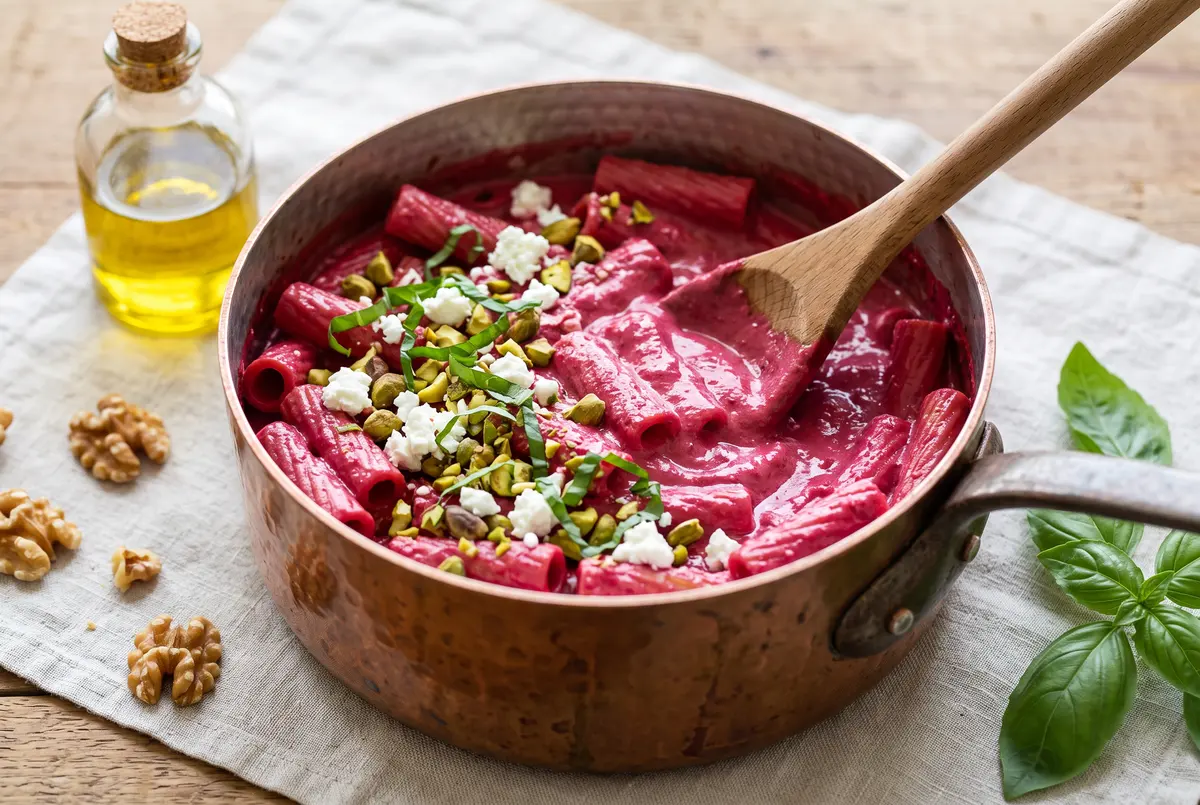
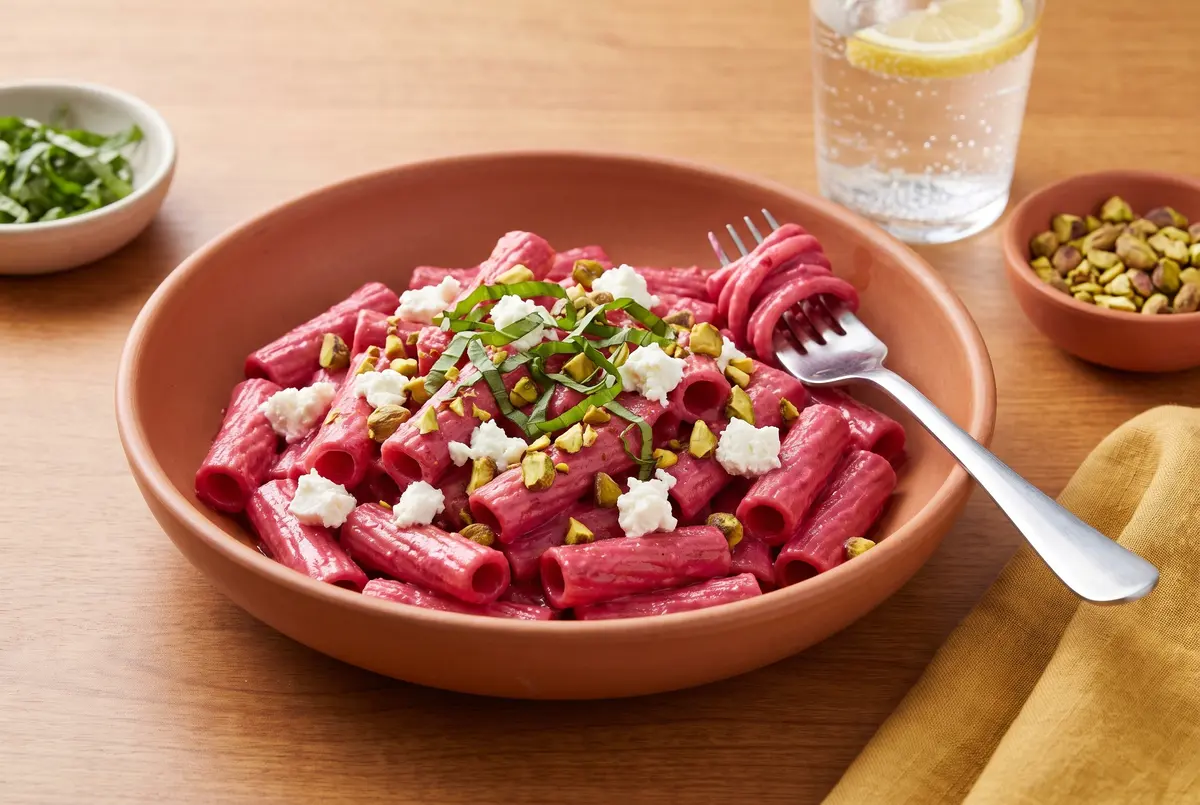
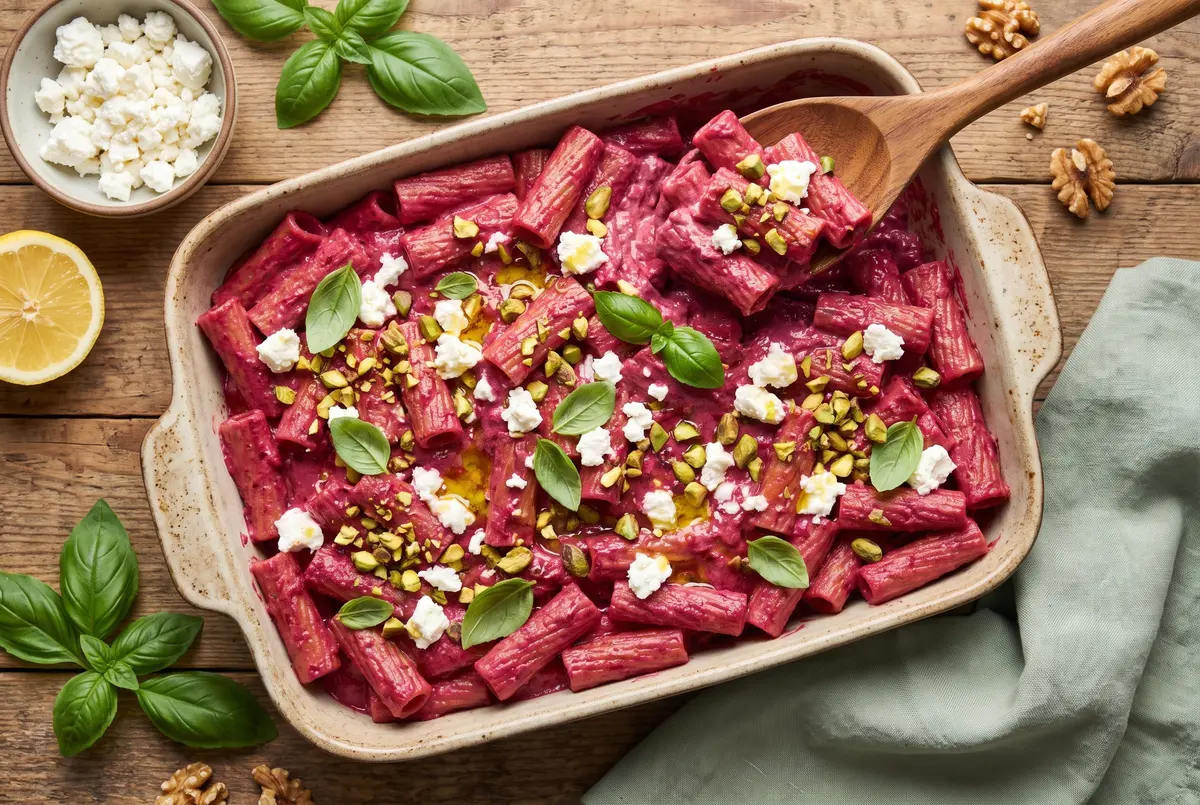
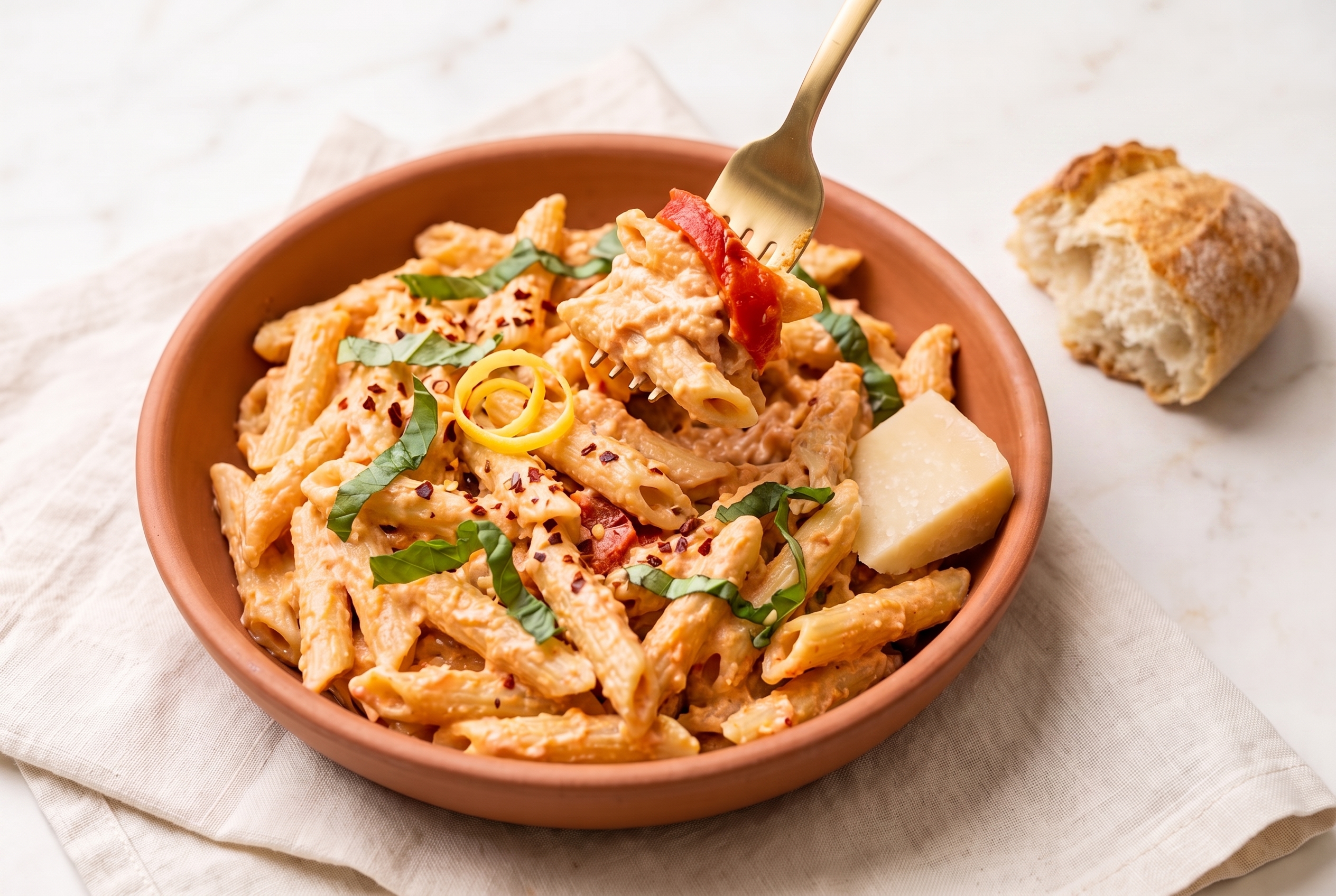
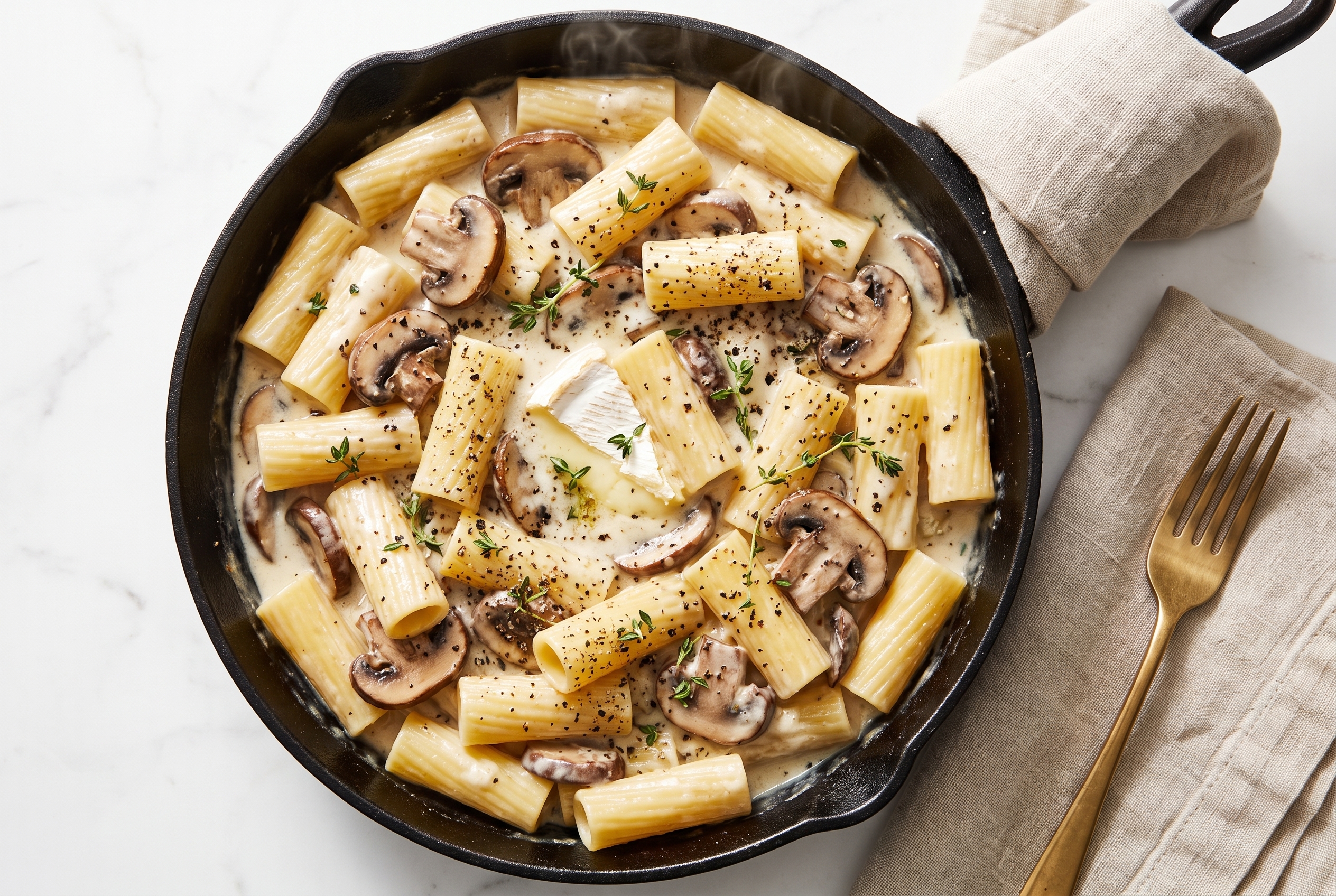
This is a bright, creamy weeknight rigatoni built on a roasted beet and goat cheese sauce that comes together in a blender, then gets tossed with hot pasta and a finishing shower of pistachios, basil, and good olive oil. It is rich, tangy, and earthy all at once, and the magenta color is genuinely the prettiest thing you will pull out of a pasta pot all year.
What makes this version work is the ratio. Enough goat cheese to make the sauce creamy without turning it heavy, a good glug of olive oil for body, and a splash of lemon juice or balsamic at the end to keep everything bright. The rigatoni shape is doing real work here too — those ridges hold the sauce in all the right places. Penne, fusilli, or shells all work in a pinch.
From Pot to Plate
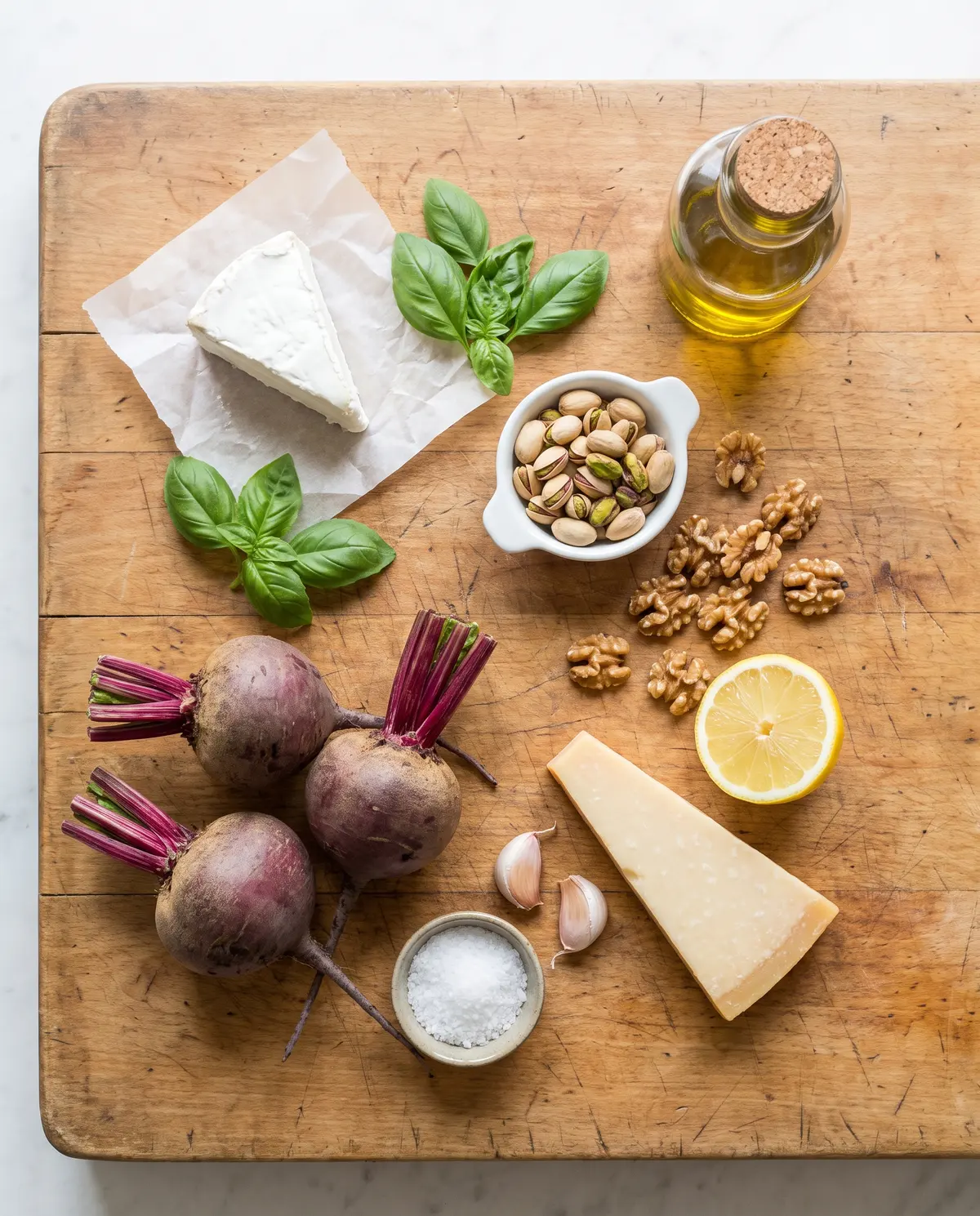
Step 1: Roast the beets. Heat your oven to 400°F. Scrub three or four medium beets, trim the stems to about an inch, and wrap them in a foil packet with a glug of olive oil and a big pinch of salt. Roast 50 to 70 minutes, until a knife slides in without resistance. Let cool just until you can handle them, then rub the skins off with a paper towel — they slip right off.
Step 2: Boil the pasta. Bring a big pot of well-salted water to a boil and cook the rigatoni one minute shy of al dente. Reserve a generous cup of the pasta water before you drain. The pasta finishes in the pan with the sauce, so this little undercooking matters.
Step 3: Make the sauce. Drop the peeled beets into a blender with the goat cheese, a tablespoon of olive oil, a small splash of balsamic vinegar, half a teaspoon of salt, and a few grinds of pepper. Blend until smooth, then drizzle in 2 to 3 tablespoons of the reserved pasta water. You want a thick but pourable sauce that coats a spoon. Taste and adjust the salt and acid.
Step 4: Bring it all together. Pour the beet sauce into the empty pasta pot over low heat. Add the drained rigatoni and toss gently until every piece is coated, splashing in more pasta water as needed. Off the heat, finish with crumbled goat cheese, chopped pistachios, a chiffonade of fresh basil, and a small drizzle of good olive oil. Serve right away.
Creative Twists
Once you have the base down, this pasta welcomes a little imagination. A few favorites I have tested:
Brown butter and sage: Brown a few tablespoons of butter with fresh sage leaves until the butter smells nutty. Drizzle over each bowl. Adds a deep, almost wintry note.
Toasted hazelnuts: Swap the pistachios for toasted hazelnuts and finish with a tiny grating of lemon zest. Nutty and bright.
Whipped feta swirl: Skip the crumbled goat cheese on top and swirl a few tablespoons of whipped feta through the sauce. Tangier and saltier.
Roasted garlic boost: Roast a whole head of garlic alongside the beets and squeeze the soft cloves into the blender. Adds sweetness and depth.
Honey-balsamic drizzle: Stir a teaspoon of honey into the balsamic before adding it to the blender. A glossy, sweet-tart finish.
Serving and Pairing Ideas
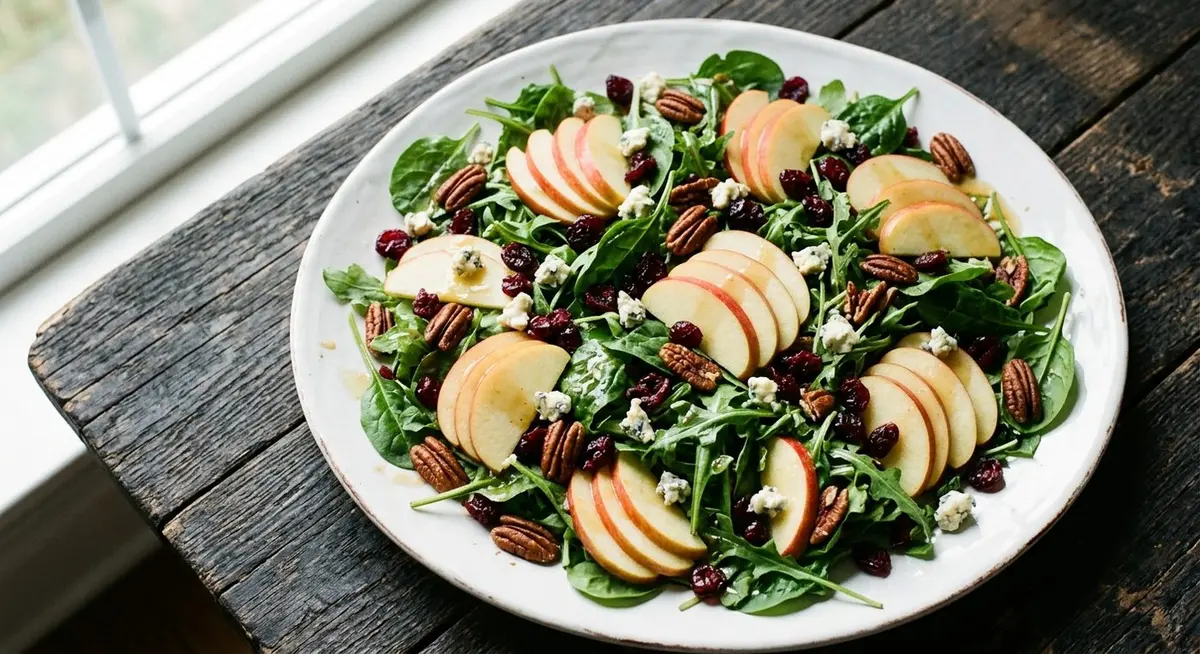
What should you serve alongside a creamy beet pasta like this? Honestly, not much. A simple peppery arugula salad with lemon, olive oil, and shaved parmesan is the perfect counterpoint to the rich sauce. A slice of toasted sourdough to mop up the extra sauce is never a bad idea. For wine, a chilled dry rosé or a light pinot noir is the classic match — both play nicely with beets. A sparkling lemon water with fresh basil works just as well if you are skipping alcohol.
Why I Love This Recipe
There are a lot of reasons this beet pasta has earned a permanent spot in my weeknight rotation. It is forgiving — you can swap almost any soft cheese for the goat cheese and any short pasta for the rigatoni. The beets can roast ahead, the sauce can be made the day before, and the whole thing comes back to life in about ten minutes.
I also love that it is genuinely dinner-party food that does not feel like dinner-party work. The color makes people stop and look. The flavor makes them ask for seconds. And you did not have to spend three hours in the kitchen to make it happen. Speaking of which — let us talk about storage.
Storage and Batch Cooking
This pasta keeps in the fridge for up to three days in a covered container. To reheat, add a splash of water or vegetable broth and warm gently in a 350°F oven, covered with foil, for about 10 minutes. The microwave works in a pinch — go in 30-second bursts at half power. The sauce may stiffen in the fridge; a small splash of warm water will loosen it back up.
For batch cooking, roast the beets up to three days ahead and keep them whole in the fridge. The sauce can be made ahead and stored in a jar for up to four days. Cook the pasta fresh the night you serve, and the whole thing comes together in about ten minutes. Do not freeze the finished pasta — the cream sauce and cheese both turn grainy when thawed.
Troubleshooting Your Sauce
Sauce tastes too earthy. Almost always a salt or acid issue. Another pinch of salt and a small squeeze of lemon will fix it every time.
Sauce is too thick. Splash in more reserved pasta water, a tablespoon at a time, until it loosens up. The sauce will also loosen as it warms with the hot pasta.
Sauce is too thin. Add another ounce of goat cheese to the blender, or let the sauce reduce in the pot over low heat for a few minutes before adding the pasta.
Color turned brown instead of magenta. The beets may have been over-roasted, or the sauce was over-blended with the heat of the food processor. A pinch of lemon juice brightens the color back up.
Your Quick Questions, Answered
Do I have to peel the beets? No — once they are roasted, the skins slip right off with a paper towel. Trying to peel them raw is the hard way and stains your hands.
What can I substitute for goat cheese? Feta, ricotta, or even cream cheese all work. Feta will be the saltiest and tangiest; ricotta will be the mildest.
Is this kid-friendly? The color alone gets most kids curious. The flavor is mild and a little sweet from the beets. If your child is beet-skeptical, just call it pink pasta and see what happens.
A Few Last Thoughts
If you have been staring at a bunch of beets every week at the market and never quite sure what to do with them, this creamy beet and goat cheese rigatoni is the place to start. It is the recipe I send to friends who tell me they want to love beets but do not know where to begin.
So grab a bunch of beets, get the oven going, and trust the timing. The beets roast slow, the sauce blends fast, and the pasta ties it all together in the last minute. And if you make it, I would love to hear how it turned out. Drop me a note in the comments and tell me all about it. Happy cooking, friends.
A bright, creamy weeknight rigatoni built on a roasted beet and goat cheese sauce, tossed with hot pasta and finished with pistachios, basil, and good olive oil.
Ingredients
Instructions
Heat oven to 400°F. Scrub the beets, trim the stems to about an inch, and wrap them in a foil packet with 1 tablespoon olive oil and a big pinch of salt. Set on a baking sheet and roast 50 to 70 minutes, until a knife slides in easily. Let cool slightly, then rub the skins off with a paper towel.
Bring a large pot of well-salted water to a boil. Cook the rigatoni 1 minute shy of al dente according to package directions. Reserve 1 cup of the pasta water, then drain.
In a blender or food processor, combine the peeled roasted beets, goat cheese, remaining 1 tablespoon olive oil, balsamic vinegar, salt, and pepper. Blend until smooth. With the motor running, slowly drizzle in 2 to 3 tablespoons of the reserved pasta water until the sauce is thick but pourable. Taste and adjust salt and acid.
Pour the beet sauce into the empty pasta pot over low heat. Add the drained rigatoni and toss gently until every piece is coated, splashing in more pasta water as needed. Off the heat, finish with crumbled goat cheese, pistachios, basil, and a small drizzle of good olive oil. Serve right away.
Notes
Storage: keeps in the fridge for up to 3 days. Reheat gently with a splash of water or broth. Not recommended for freezing — cream sauce and cheese turn grainy when thawed. Substitutions: feta, ricotta, or cream cheese can replace goat cheese. Short pasta like penne, fusilli, or shells all work in place of rigatoni. To make ahead, roast the beets up to 3 days early and keep them whole in the fridge; the sauce can also be made ahead and stored for up to 4 days. Cook the pasta fresh the night you serve.
Keywords:creamy beet pasta, beet and goat cheese pasta, weeknight pasta, vegetarian pasta, pink pasta
Elowen Thorn I cook, photograph and re-test every recipe in an ordinary home kitchen before it goes up, so what you make matches what you see. Savory Discovery is where simple weeknight cooking, seasonal ideas and the odd bit of kitchen craft sit side by side — written plainly, and worth cooking twice.