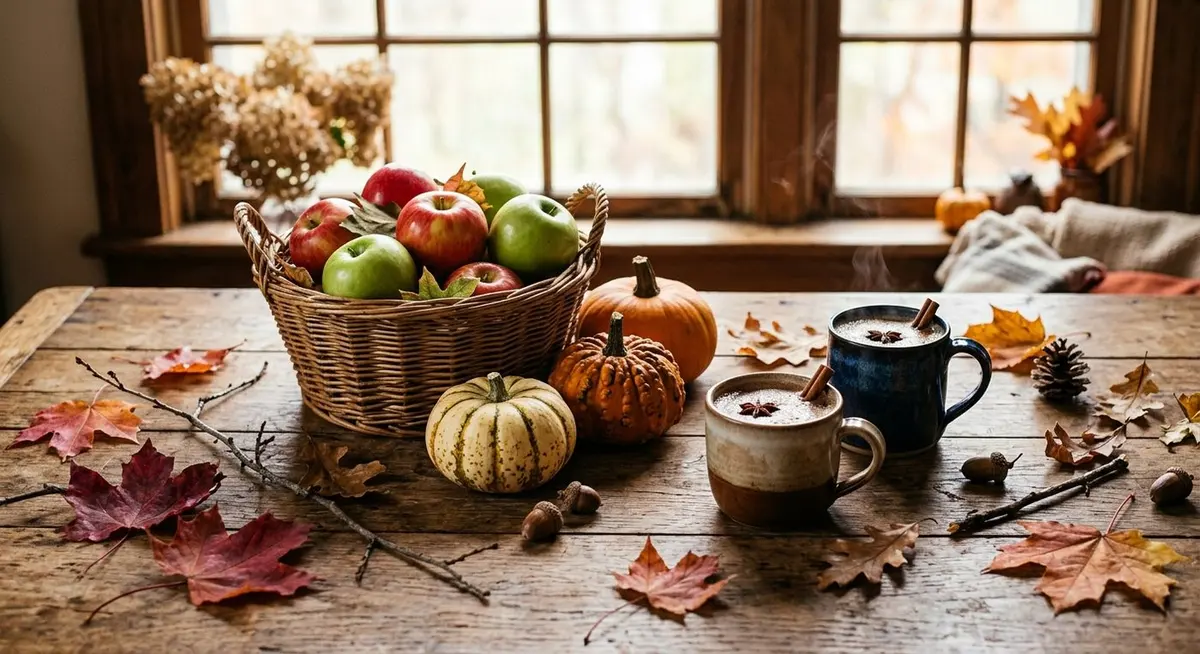
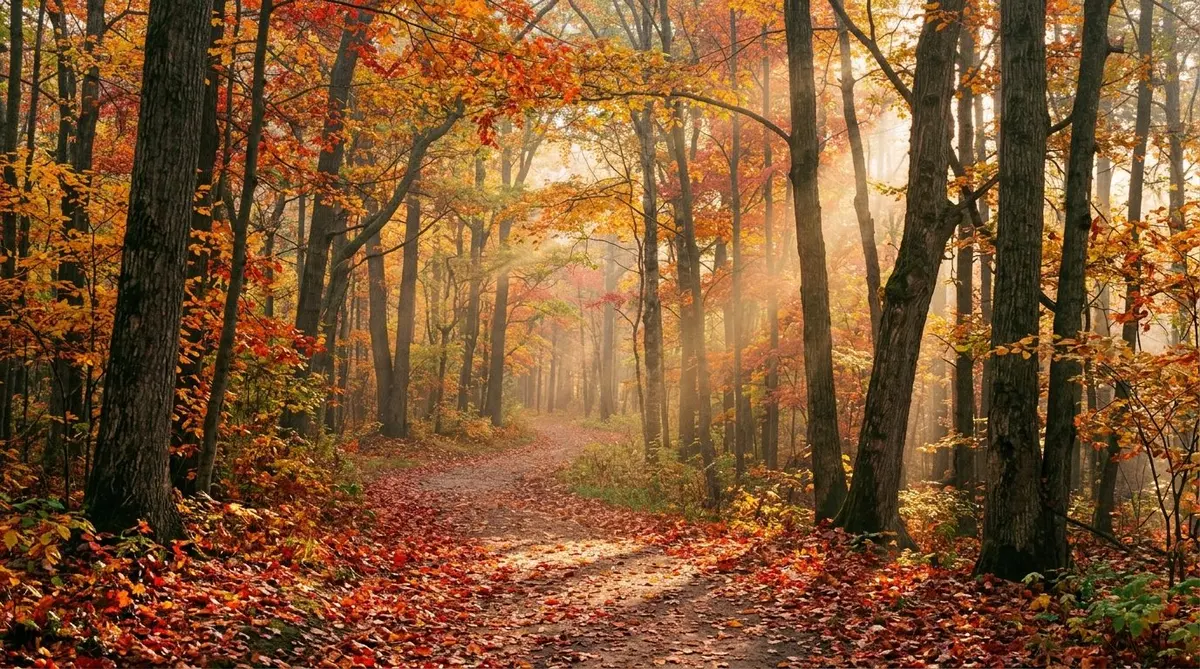
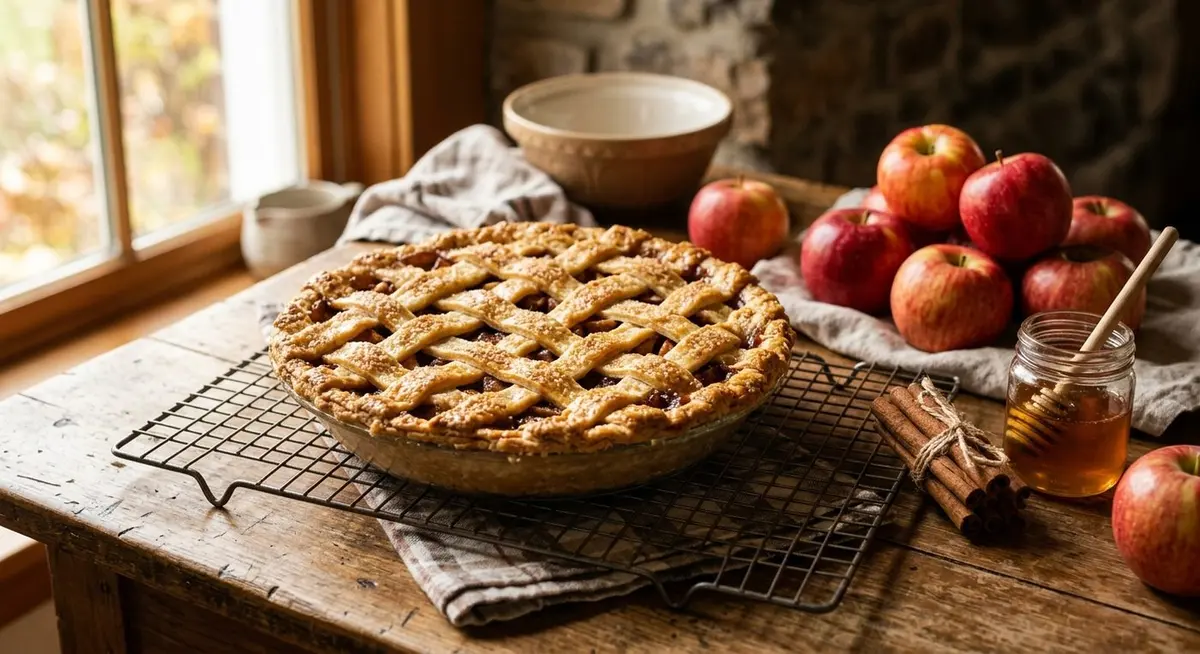
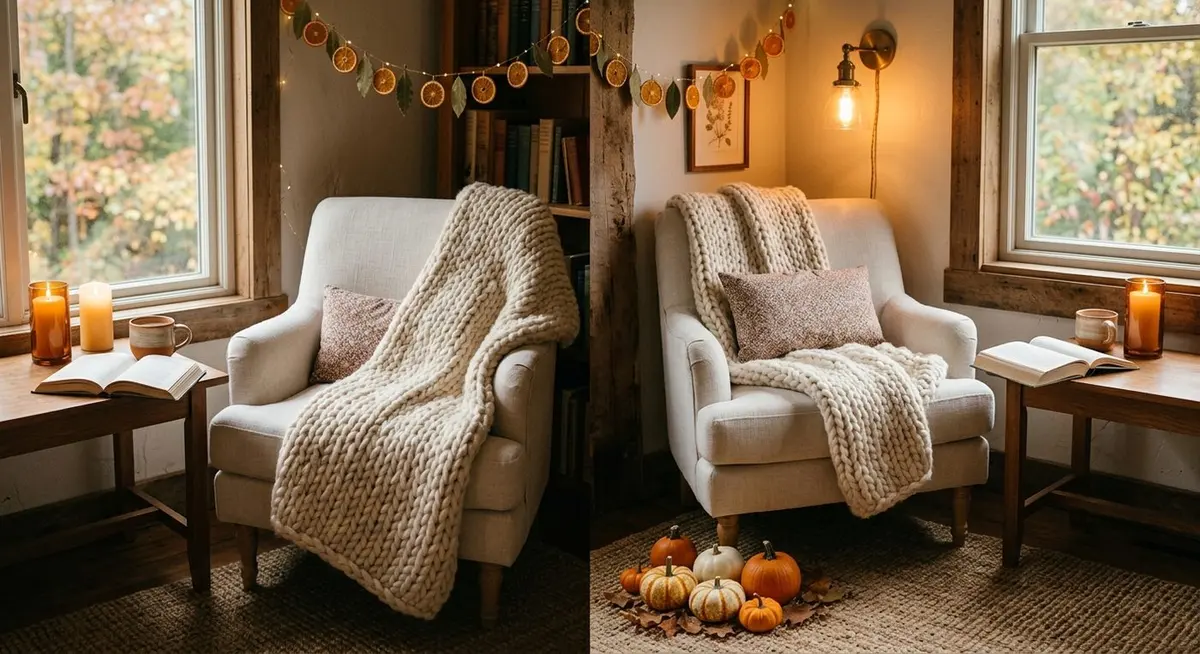
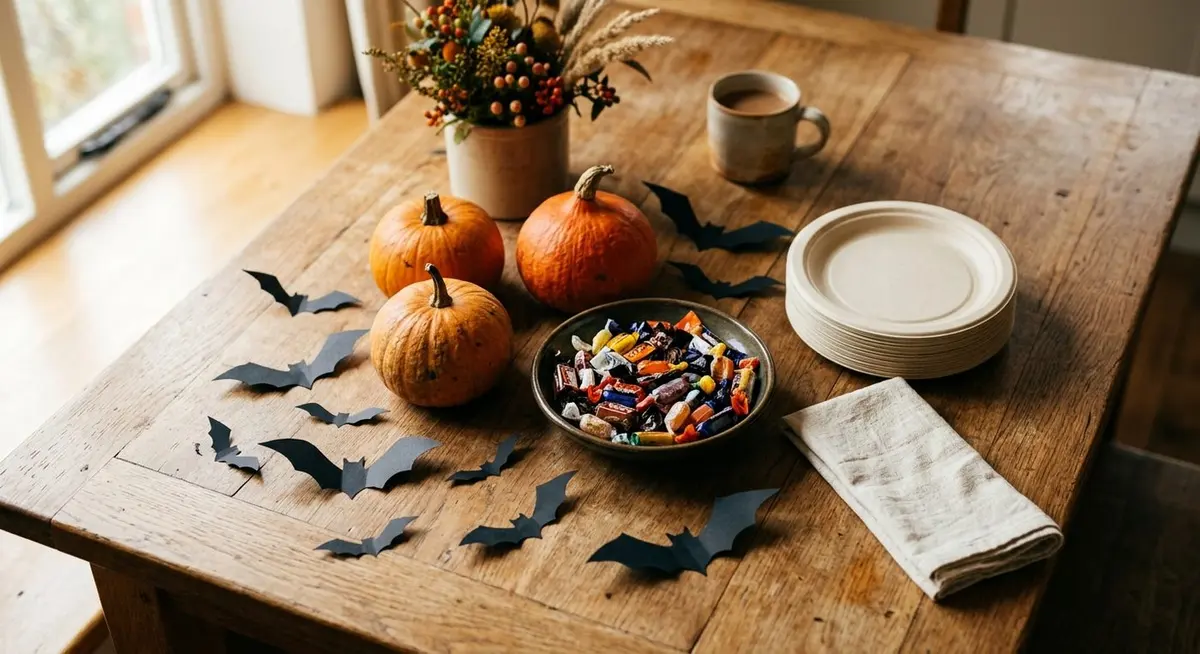
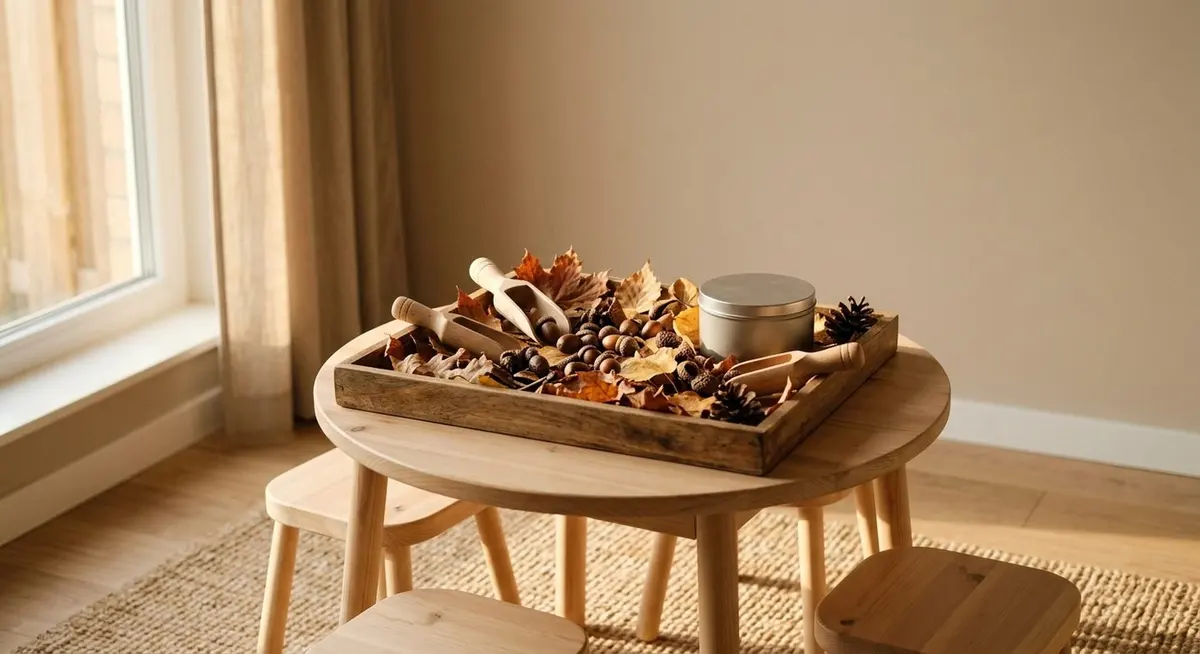
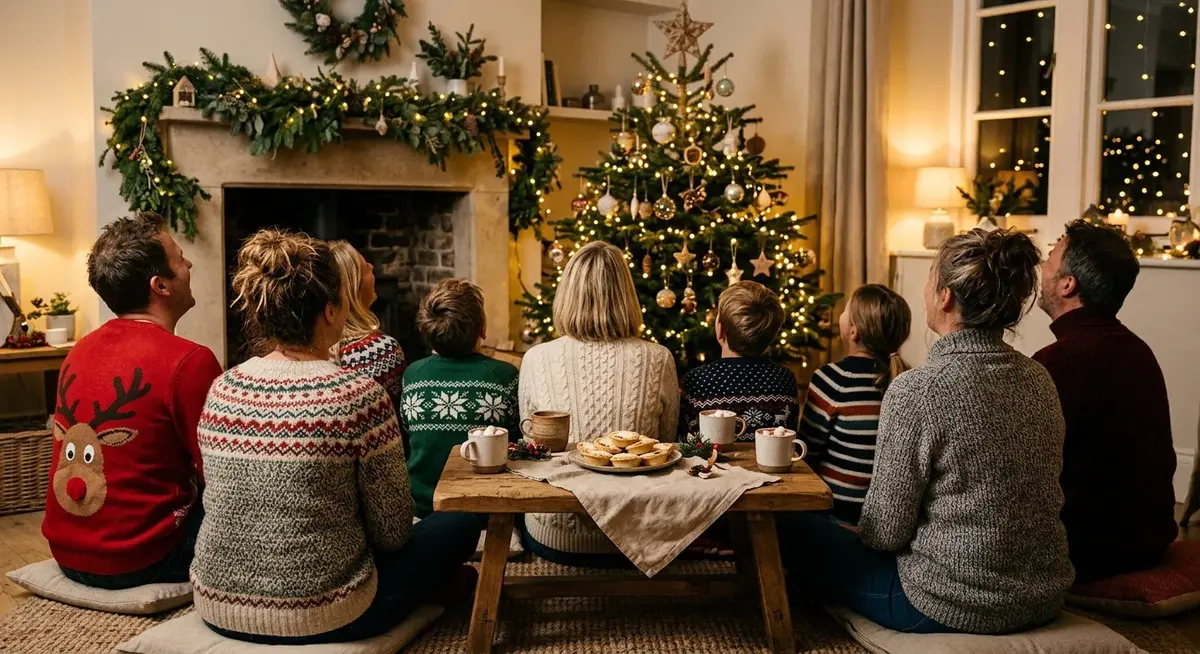
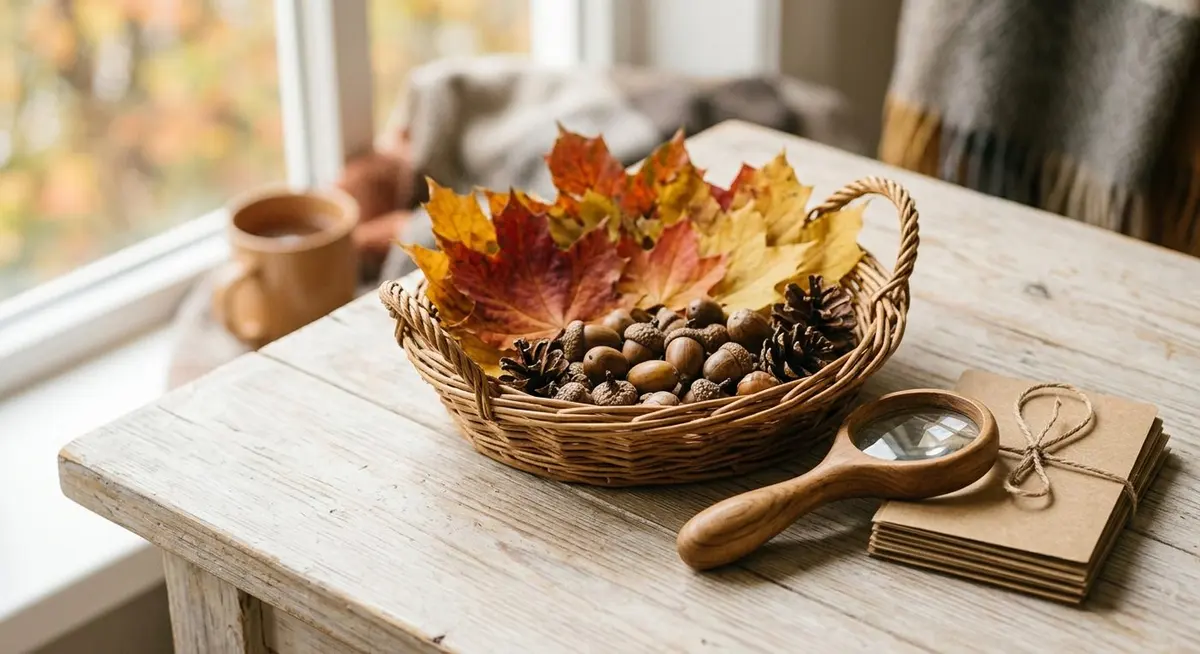
By Elowen Thorn · Autumn · 40 ideas · the ten you will actually finish
Forty autumn ideas is not a to-do list. It is a menu, and the trick to enjoying it is deciding in advance which ten you will actually do. This is the whole forty, sorted by the kind of day each one needs, with the ages it suits, what it costs and the rainy-day version of every outdoor plan.
Forty is the number that keeps turning up when people write autumn lists, and it is a good number for a reason. It is long enough to cover a whole season and short enough that you can still see the end of it. What it is not is a to-do list. Forty ideas presented as a challenge is a machine for making people feel behind: by the middle of October the fridge list has nine ticks on it, the leaves are brown, and the whole exercise has quietly turned into evidence that you did not do enough this year.
That is a design problem, not a discipline problem. Forty ideas is the right length for a season and the wrong shape. Autumn is not one kind of day. It is cold clear Saturday mornings, wet Tuesdays when nobody wants to leave the house, dark five o’clock evenings when the only realistic plan involves a blanket and a film, and the odd free afternoon that arrives with no warning at all. A flat numbered list ignores that, which is why so much of it never gets used.
So this guide keeps all forty ideas and reorganises them by the kind of day each one needs. There are outdoor ideas, kitchen ideas, craft ideas, gathering ideas, giving-back ideas and slow-evening ideas, and every section says what it costs, how long it takes and which ages it genuinely suits. Then it adds the part most lists skip entirely: an honest way to choose, and a backup for when the weather turns. If you want the longer version of this same idea, the hundred-idea autumn list is the one to read next.
The season is short and the list is long. Work out which ten you actually want, and the other thirty stop being a source of guilt.
Read this bit before you read the list. Nothing below is an obligation. The number of ideas you complete has no bearing on how good your autumn was — the two or three you remember in February are what the season was actually made of.
How to Use It: Pick the Day, Not the Idea
Most autumn plans fail because they are chosen in the wrong direction. You pick an activity you like the sound of, then hunt for a day that will fit it, and then the day arrives and it is raining, or everyone is tired, or the afternoon has already been eaten by something else. Choosing the other way round — naming the kind of day you have first, then taking an idea that fits it — is what makes the difference.
There are really only four kinds of autumn day to plan for, and they want completely different things from you. If the season is being built around young children, the age-specific versions of these same ideas are in my autumn activities for toddlers and fall activities for preschoolers guides.
The four kinds of autumn day
The day you have
What it actually suits
Ideas in this guide
A cold clear weekend morning
Anything outdoors that needs dry ground and daylight: foliage, orchards, mazes, trails
1–10, 34–36
A wet afternoon at home
Kitchen projects, crafts and cosy indoor time
11–26, 37–40
A dark weekday evening
Low-effort, high-return evenings: films, games, reading, a good drink
27–33
A free afternoon that appears suddenly
The starter five on the printable — short, cheap, no preparation
1, 12, 19, 28, 35
Two habits make this work in practice. First, always name the backup when you make the plan: if Saturday is the orchard, then Saturday-wet is the apple pie, decided in advance so nobody has to be disappointed on the day. Second, keep the list where you will see it. A planner sheet taped inside a kitchen cupboard door beats an app you have to remember to open.
Do not plan more than two outings in a single weekend. The most common way an autumn list goes wrong is by stacking three outdoor plans into one Saturday and arriving at Monday exhausted, with nobody wanting to look at a pumpkin ever again.
The Ten-Ten Rule
Here is the mechanism that turns forty ideas into an autumn you will actually finish. Take ten of them as must-dos, and ten as maybes. The remaining twenty come off the list for this year, completely, without guilt.
Ten sounds low for a three-month season, but do the arithmetic. Autumn in most places is about twelve weeks, and a realistic family has one or two usable chunks of free time in each of them. Ten must-dos across twelve weekends is ambitious but achievable — and finishing eight of ten feels like a triumph, whereas finishing eight of forty feels like failure. The same eight experiences, two completely different emotions.
How the ten-ten rule breaks down
Band
How many
What it is for
Must-dos
10
Written into the calendar with a date attached. These are the season.
Maybes
10
Kept in reserve for weeks that open up unexpectedly. No pressure, no date.
Not this year
20
Genuinely let go. Some will appear on next autumn’s list and feel new.
Two things make the must-do ten work rather than sit there being ignored. Give every one of them a date — an idea without a date is a wish, and a wish is not a plan. And spread them across the whole season rather than front-loading September, because the best of autumn — the late colour, the bonfires, the dark cosy evenings — happens in the second half.
Choose your ten with a mix, not a theme. Four outdoor ideas, three kitchen ideas, two gatherings and one slow-evening idea is a season that stays interesting. Ten outdoor ideas is a season that collapses the first time it rains for a week.
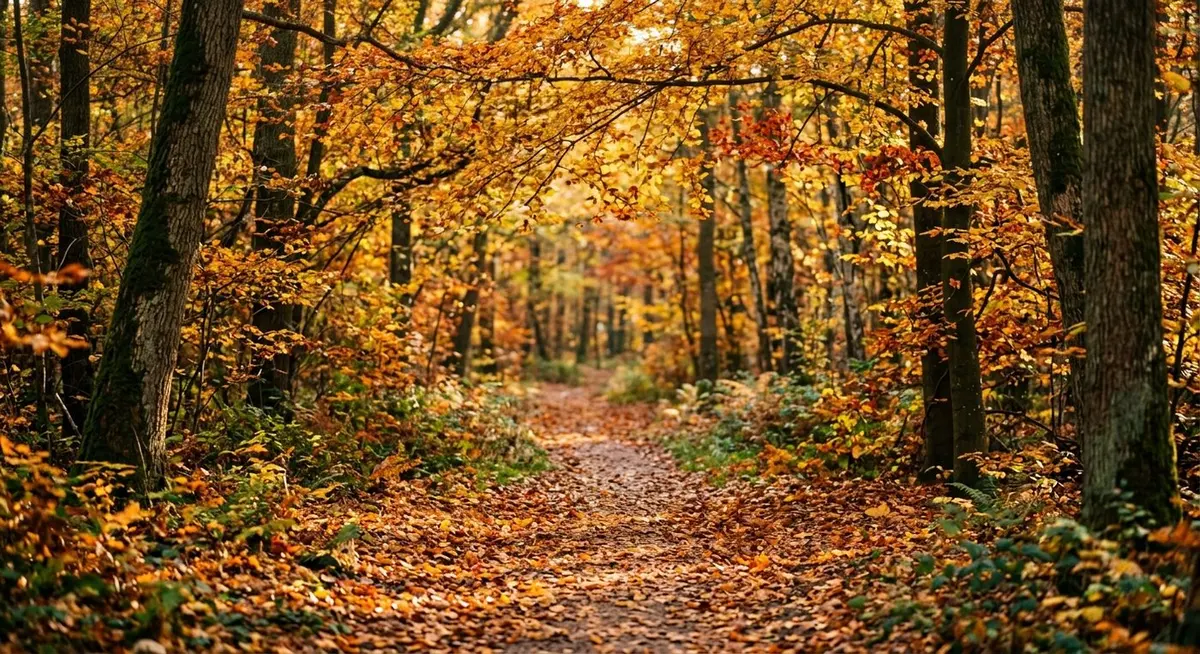
Outdoors and Nature (Ideas 1–10)
This is the band that needs the most planning and rewards it the most, because it is the only one that is genuinely weather-dependent. Everything here wants daylight, dry ground and a bit of notice. Book the apple picking and the maze in advance; the walks and the leaf piles do not need booking, only a spare hour.
The best fortnight for colour is usually short and unpredictable. If you only get one walk in, make it the one after the first hard frost.
1. Jump in a pile of leaves. Free, twenty minutes. Rake it properly first — a thin scattering is a disappointment and a knee-deep pile is a memory.
2. Rake the biggest pile you can manage. Free, forty-five minutes. The raking is the activity; the jumping is the reward.
3. Take a foliage drive and a woodland walk. Free. Combine them in one afternoon: drive somewhere pretty, then walk twenty minutes into it.
4. Hike a trail you have never tried. Free, two to three hours. Pick it by distance from home, not by how good the photos look online.
5. Find five different leaf shapes and press them. Free, thirty minutes. An old phone book with something heavy on top is all the kit you need.
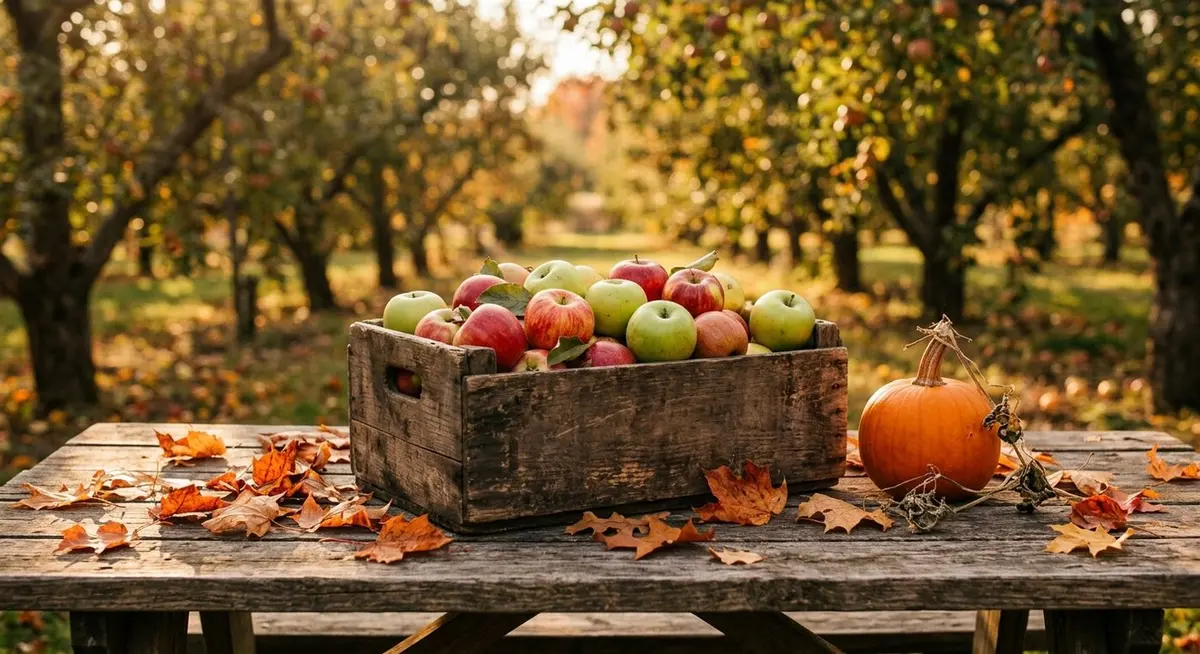
6. Go apple picking at a pick-your-own orchard. Twenty to sixty pounds, two hours. Go early in the season while the good varieties are still on the trees, and check the orchard’s closing date before you drive out.
7. Choose a pumpkin off the vine. One hour. Vine-picked pumpkins last far longer than the ones that have been sitting in a supermarket crate.
8. Navigate a corn maze. One to two hours. Better for children over six; a toddler will be carried for most of it.
9. Take a hayride. Half an hour. Suits everyone, needs no skill, and is the single easiest outdoor idea to say yes to.
10. Watch a sunset somewhere with a wide view. Free, forty-five minutes. Check the sunset time; in late autumn it is early enough for a weeknight.
Boots and a spare bag. The two things that turn an autumn walk from a chore into a pleasure are dry feet and somewhere to put the leaves. Keep both in the car from September and the spontaneous walk becomes possible.
Food, Baking and the Cosy Kitchen (Ideas 11–18)
The kitchen band is the most forgiving on the whole list: it is weather-proof, it can be done in the evening, and it produces something you can eat. It is also the band most likely to suffer from ambition. One baking project a week is a delight; four in a weekend is a kitchen you resent.
One long bake, one quick bake, one no-bake. That is the kitchen rhythm that actually survives a busy October.
11. Bake a pumpkin loaf. One and a half hours. The most reliable autumn bake there is, and it keeps for four days — the two-loaf spice ratio is the one I actually use.
12. Make applesauce on the stove. Forty-five minutes. Six apples, a splash of water, a cinnamon stick. Freezes beautifully and disappears on porridge all winter. It is also the first step of slow-cooked apple butter if you want to take it further.
13. Bake an apple pie from scratch. Three hours. A weekend project, not a weeknight one — and the one bake on this list worth doing with help.
14. Make caramel apples and roast the pumpkin seeds. Forty minutes and thirty minutes. Both are by-products of something else on the list, which makes them feel almost free.
15. Make chilli and eat it in front of a film. Ninety minutes. The most-repeated idea on the whole list in our house, because it solves dinner and an evening at once.
16. Bake cinnamon rolls on a cold morning. Two and a half hours, most of it waiting. Start them the night before if you want them for breakfast.
17. Cook a pot of soup that lasts three days. One hour. Cook once, eat three times, and the freezer gets a portion for a November evening.
18. Mix your own pumpkin spice blend and jar it. Ten minutes. Cinnamon, ginger, nutmeg, allspice, a little clove. Cheaper than the jar and better, and the ratio is in the printable planner.
Freeze on purpose. Every time you bake or batch-cook something this autumn, put one portion in the freezer and label it. By December you will have an accidental larder of pumpkin loaf, soup and chilli, which is the best possible return on a season of cooking. If you would rather learn the technique than follow recipes, the ratios behind pumpkin desserts and easy fall desserts are the fastest twenty minutes you can spend first.
Home, Decor and Crafts (Ideas 19–26)
The decor band splits cleanly in two. Half of it is an afternoon’s work that transforms a room and stays up for two months. The other half is a craft project you do for the doing of it. Be honest about which one you are choosing, because they satisfy completely different moods.
19. Hang a wreath on the front door. One hour. The highest-impact hour on the entire list — it is the thing every visitor sees first.
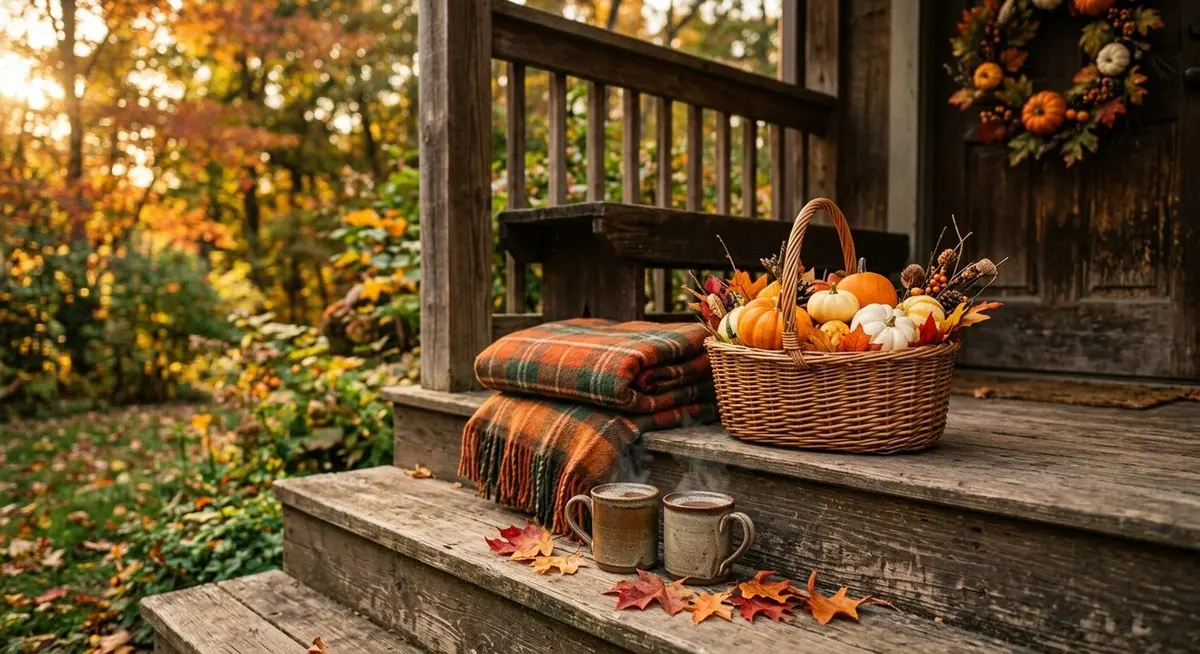
20. Decorate the porch with pumpkins and mums. Two hours. Buy three heights of pumpkin rather than three of the same size; the grouping is what makes it look deliberate.
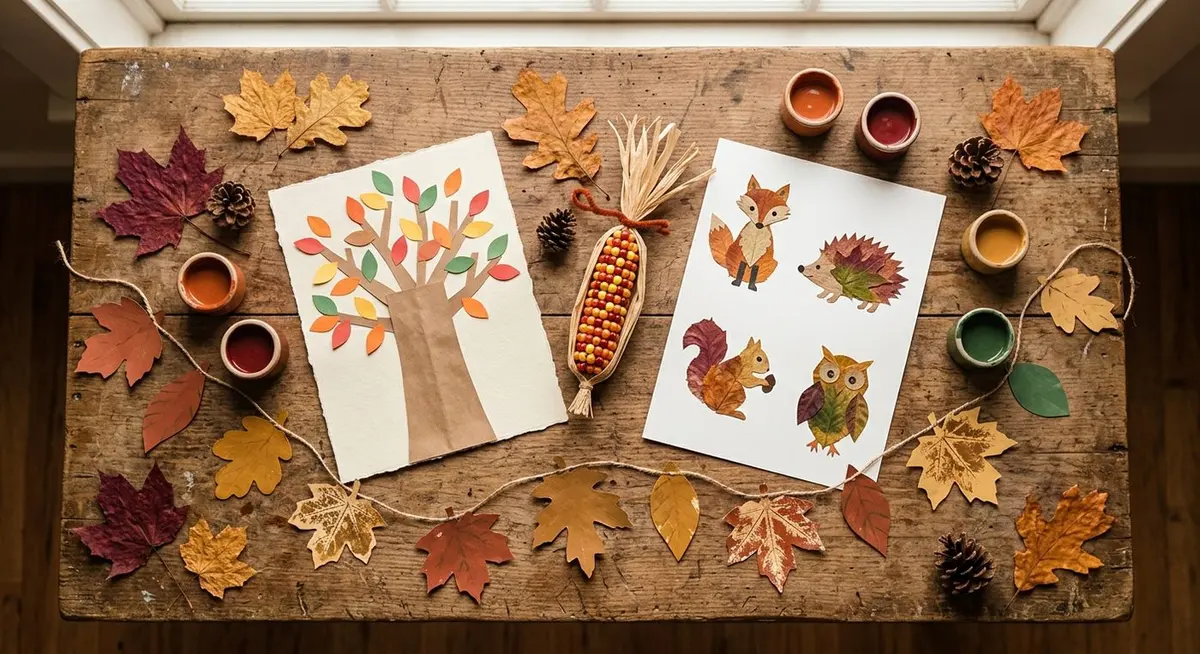
21. String a dried orange garland. Two hours, plus a few hours of oven drying. Orange slices, twine and a needle. Costs almost nothing and looks far more expensive than it is.
22. Make a leaf garland and frame pressed leaves. An hour each. The cheapest decor on the list, made from the walk you were going to take anyway.
23. Carve a pumpkin, or paint one instead. One hour. See the safety note below if you are carving with small children.
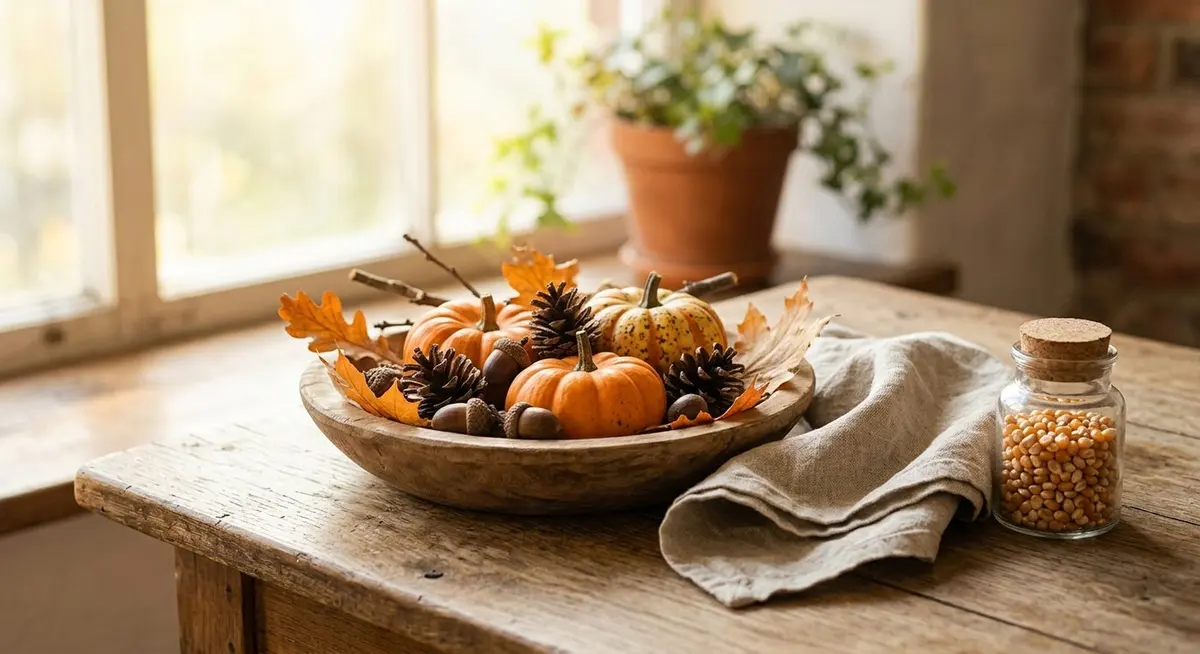
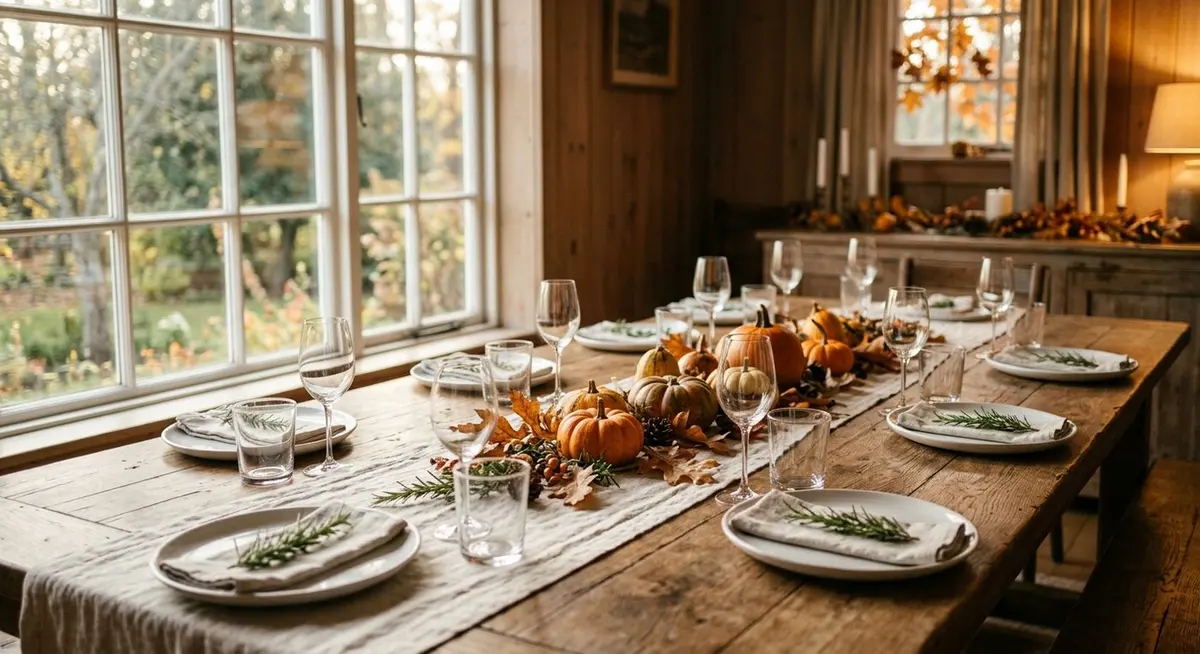
24. Build a centrepiece from gourds. Thirty minutes. A shallow bowl and five mismatched gourds beats an expensive arrangement.
25. Swap to the flannel bedding and the knits. One hour. Not really a project, but it is the change that tells everyone in the house the season has turned.
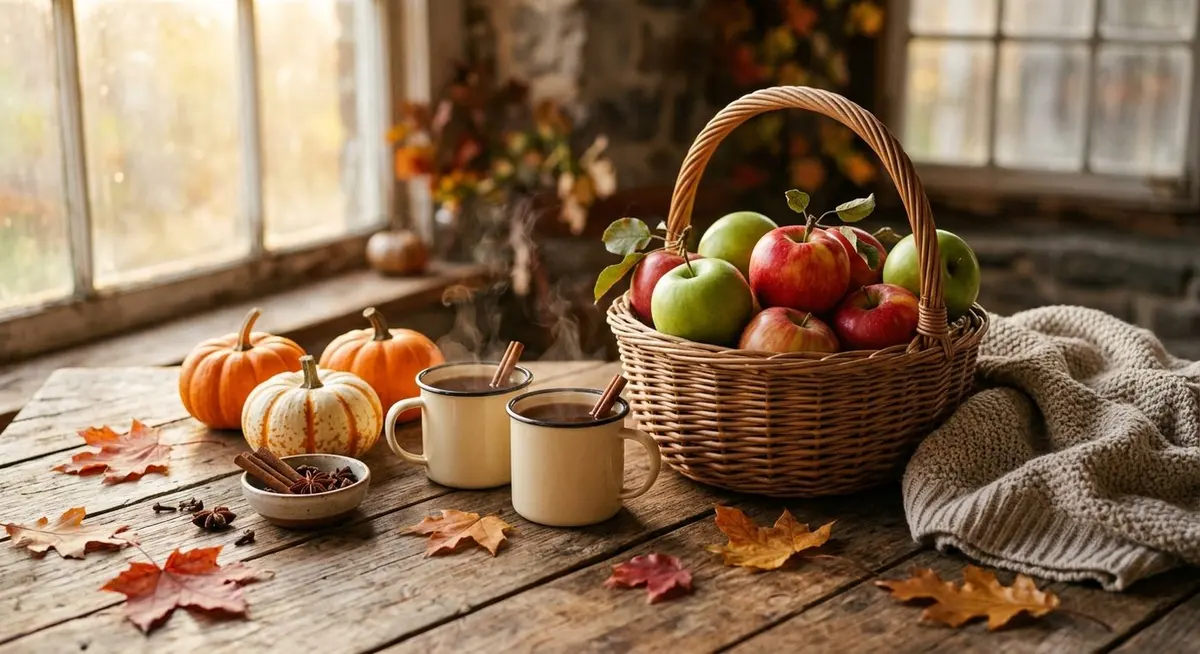
26. Set up a hot drinks station on the counter. Thirty minutes. Everything in one tray: mugs, cocoa, cinnamon, marshmallows. It removes the friction that stops you making the drink.
Pumpkin carving safety, briefly. Children under about eight should design the face and let an adult cut it — the saws sold for carving are sharp and the rind is tougher than it looks. Work on a washable mat, keep the cut face away from small fingers, and remember a carved pumpkin left indoors in a warm room will go soft within a week. Carve close to Halloween, not at the start of the month.
Gatherings and Traditions (Ideas 27–33)
Autumn is the season people are most willing to come over, and this band is where the memories tend to be made. It is also the most expensive and the most effortful, so treat it as your one or two headline events rather than a weekly habit.
Candles, one warm lamp and no overhead light. That combination does more for a room on a dark evening than any amount of decorating.
27. Host a Friendsgiving. A weekend of prep. The best version is potluck-style: you do the main, everyone else brings a side. It removes the pressure and the cost at once.
28. Invite the neighbours for a potluck. An evening. Much lower stakes than Friendsgiving and often more fun, because nobody is performing.
29. Hold a family game night. Free, two hours. Pick games that finish in fifteen minutes so the people who lose first are not sitting out for an hour.
30. Host a bonfire with s’mores. Three hours. The better event for mixed ages, and the one children ask about again in spring.
31. Go trick-or-treating. Free, two hours. Walk the route in daylight the week before if this is a child’s first year.
32. Take the family photo for the winter card. Free, one hour. Take it in October while the light and the leaves are still on your side.
33. Start a Sunday dinner tradition. Two hours. The single most repeatable idea here — one fixed evening a week, one shared meal, all autumn. It pairs well with the shorter thirty-idea family autumn list if you want a version built around children.
One headline event, one standing ritual. Pick a single big gathering for the season and then protect one small weekly tradition alongside it. The big event is what you photograph; the weekly ritual is what you remember.
Giving Back, Learning and Days Out (Ideas 34–40)
This band is easy to skip, and it is the one that changes the texture of the season. Autumn is the run-up to a stretch of the year when other people need more help, and doing something about it in October is far more useful than thinking about it in December.
34. Start a gratitude jar. Twenty minutes to set up. One slip of paper a day, all season. The best-value item on the whole list, and the one people are still reading in January.
35. Write a letter to someone you love. Thirty minutes. An actual letter, in an envelope, with a stamp. Almost nobody receives one any more.
36. Volunteer at a shelter or food bank. Three hours. Book ahead — many organisations have a waitlist before the winter holidays, and October is the right time to ask.
37. Donate to a food drive, or bake for a neighbour. Thirty minutes and two hours. Both are small enough to actually happen on a normal week.
38. Read a spooky novel, then re-read a comfort book. An evening each. Rationing one book across the dark evenings is more satisfying than reading three in a week.
39. Visit a local library for seasonal books. Free, one hour. Free books, a warm room, and often a seasonal display worth copying.
40. Explore a town near you that you have never visited. Free, half a day. Choose one within an hour and commit to going without researching it to death first.
If you volunteer, do it in October. Food banks and shelters are overwhelmed in the last two weeks of December and genuinely short of help in the autumn. An afternoon given now is worth considerably more than one given then.
The Free Band: 14 Ideas That Cost Nothing
Fourteen of the forty ideas have no cost at all. Not “cheap” — genuinely nothing beyond what is already in the house or the ground outside it. It is worth knowing which ones they are, because the free ideas are quietly also the best ones, and a season built entirely from this table is still a complete autumn.
The free band, by section
Section
Free ideas
The standouts
Outdoors and nature
6 of 10
Jumping in leaves, pressing leaves, the sunset, the woodland walk
Kitchen
0 of 8
Nothing here is truly free — but the spice blend and the simmer pot cost pennies
Home, decor and crafts
3 of 8
The leaf garland, pressed leaves in frames, the flannel swap
Gatherings
3 of 7
The game night, trick-or-treating, the family photo
Giving back and days out
2 of 7
The gratitude jar, the letter, the library, exploring a new town
Slow evenings
0 of 0
The slow-evening ideas are folded into the gathering and giving-back bands here
Two of those deserve calling out. The gratitude jar (idea 34) costs a jar and twenty minutes and outperforms almost everything else on the list for what it does to a household’s mood. And the letter (idea 35) costs a stamp and half an hour and is the one thing on this list that the recipient will still have in ten years.
If money is tight this autumn, this is your list. Take the fourteen free ideas, apply the ten-ten rule to them, and you have a full season of autumn for nothing. The season was never the spending.
What Works at What Age
The most common autumn-planning mistake is choosing an activity for the season you imagined rather than the children you have. A three-year-old and an eleven-year-old want almost nothing in common on this list, and the version that works for both is usually the one nobody has to sit still for.
Ideas by age band
Age
What genuinely works
What to avoid until later
Under 2
Leaf piles, the pumpkin patch, the hayride, the simmer pot (the smell), the family photo
Corn mazes, carving, long walks, anything over ninety minutes
2–4
Leaf jumping, pumpkin painting, the orchard, the back-garden camp, trick-or-treating with a short route
Carving (they design, you cut), haunted houses, full-length films, the maze
5–7
The corn maze, carving with help, the first bake, a Halloween film night, the read-aloud
Ghost tours, evening bonfires that run late, anything requiring quiet
8–11
The maze, the bonfire, the bake-off, the pie contest, the festival, the board-game night
Very little — this is the age the whole list opens up
12+ and adults
The historic house, the gallery, the festival, the football game, the slow evening, the reading nook
Anything framed as a children’s activity, unless they chose it themselves
If you have a wide age spread, the patterns that work are the ones where everyone has a different job rather than everyone doing the same thing. The pie contest works because a four-year-old can measure and an eleven-year-old can run the oven. The bonfire works because the youngest collects sticks and the oldest builds the fire. The maze does not work, which is why it is best done as a separate outing with only the older children. For the youngest end of that spread, the twenty-minute toddler activities are the ones that fit inside the window.
The ninety-minute ceiling. Almost every activity on this list has a natural length of about ninety minutes for children under eight. Plan the exit in advance — leaving while everyone is still enjoying it is what makes them want to go again next year.
The Four-Week Rhythm
Trying to fit autumn around a working week fails in the same way every year. The fix is a repeating monthly shape rather than a plan for each individual week: one outdoor day, one kitchen project and one slow evening, four times over. That is twelve things a month, which is more than most people manage all season.
The repeating monthly shape
Week
Outdoor slot
Indoor slot
Slow slot
Week one
The walk or the trail — no booking needed
One quick bake from ideas 11–14
A film night with the themed menu
Week two
The booked outing: orchard, maze or patch
The Sunday dinner or the potluck
The board game or the puzzle
Week three
The free local day: farmers market, new town, library
The longer bake: pie, cinnamon rolls, bread
The candlelit dinner
Week four
The free band: leaf piles, back-garden camp, stargazing
The batch cook and freezer fill
The screen-free evening
Buffer
Deliberately empty
Deliberately empty
Deliberately empty
The fifth row matters more than the other four. A rhythm with no buffer week collapses the first time somebody gets ill, work runs late, or the weather wipes out a weekend — and then the whole plan is abandoned rather than simply shifted. Build the empty week in from the start and the season absorbs its own interruptions.
Book the two things that need booking. The orchard, the maze and the pumpkin patch all sell out weekends in October. Put those dates in the calendar first and arrange the rest of the rhythm around them, not the reverse. For the week-four batch-cook slot, the fall casserole formula and the slow-cooker chicken guide both scale to a week of dinners.
Rainy-Day Swaps for Every Outdoor Plan
Nothing kills an autumn list faster than a wet weekend with no plan B, because the disappointment lands on the season itself rather than on the weather. Decide the swap at the same time as the plan — then a rainy Saturday is simply the other version of Saturday, not a loss.
Instead of apple picking: bake the apple pie (idea 13), or make applesauce on the stove and eat it warm with yoghurt.
Instead of the pumpkin patch: carve or paint the pumpkins you already have, then set up the candlelit mantel display.
Instead of the woodland walk: press the leaves you collected last week into frames, or do the jigsaw on the kitchen table.
Instead of the bonfire: mulled cider on the hob, and the Halloween film night with the themed menu indoors.
Instead of the hayride: build the blanket fort in the front room and have the picnic inside it. Put the blanket on the floor and it is genuinely the same afternoon.
Instead of the festival: the board-game night, or start the Sunday dinner tradition a week early.
Instead of trick-or-treating: the costume theme at home and a Halloween film night. Children remember the dressing up far more than the route.
Instead of the sunset walk: bake for the watching. The game on the radio and a batch of cinnamon rolls is not a consolation prize.
The best rainy-day swap on the whole list is the one that uses what you already gathered outdoors. A wet Sunday after a good leaf walk — pressing, framing, gluing, arranging — turns an hour of collecting into an afternoon of making, and it means the outdoor day did not go to waste even though the weather ruined the follow-up.
Keep a wet-weather box. A shoebox with twine, glue, a needle, a stack of pressed leaves, orange slices that did not make the garland and a few blank cards. When the rain arrives, the project is already on the shelf and nobody has to think of anything.
Keeping the Season Affordable
Autumn has a way of quietly costing more than expected: the orchard entry, the maze, the pumpkins, the cider, the craft supplies, the new boots. None of it is individually unreasonable, and all of it together is a real amount of money. The good news is that the cheapest ideas on this list are also the ones that actually get remembered.
Where the list sits on cost
Band
On the list
What it covers
Free
14 of 40
Leaf piles, walks, the gratitude jar, the blanket fort, the slow Sunday, stargazing
Under about twenty pounds
19 of 40
Almost every kitchen idea, most crafts, the wreath, the pumpkins, candles, a film night
Twenty to sixty
6 of 40
The orchard, the maze, the festival, a hosted meal, the bigger bakes
A deliberate splurge
1 of 40
Friendsgiving — one, by design
Spend on the two things that cannot be replicated at home: the pick-your-own orchard and the maze. Everything else has a free or near-free equivalent.
Buy pumpkins late. Prices drop sharply in the last week of October, and a squash bought then will still see you through to the end of November.
Make the spice blend rather than buying it. Ten minutes with spices you already own, and it is better than the jarred version.
Use the craft fair as your winter gift shop. One afternoon in October removes most of the December panic, and handmade gifts consistently cost less than the alternative.
Set the number before you go. The orchard trip is a lovely afternoon with a fifty-pound ceiling and a stressful one at whatever the total comes to.
The cheapest autumn is also the most repeatable one. Nobody re-plans a 200-pound outing for next year. The leaf pile, the simmer pot, the blanket fort and the Sunday dinner are the ideas this list is actually built on, and they cost nothing at all. If you want to go deeper on the baking side, the pumpkin chocolate chip bread is the cheapest way to make the house smell like the season.
Questions and Troubleshooting
These are the questions that come up most often once people start working through an autumn list. Nearly all of them trace back to the same three problems: choosing too much, planning no backup, or treating the list as a scoreboard.
How many of the forty ideas should I realistically aim for?
Ten, properly. Apply the ten-ten rule — ten must-dos with dates and ten maybes in reserve — and genuinely let the other twenty go. Ten finished autumn experiences is a full season, and it is far more than most people manage when they try to work through a flat list of forty. If you finish eight of your ten, that is a success, not a shortfall.
When should I start an autumn bucket list?
Late September, or the first week of October at the latest. The two things that go first are the apple season and the colour, so if you leave it until mid-October you will be planning around what is already over. The list itself can be written any time — it is the booking of the orchard and the maze that has a deadline.
What are the best fall activities for young children?
Leaf piles, pumpkin painting, the pick-your-own orchard, sensory play with dried leaves and cinnamon, the hayride, and the back-garden camp. All of them are cheap, none of them need a ticket, and all of them can be finished inside ninety minutes. Save the corn maze, the ghost tour and carving until they are older — the maze in particular is a long and frustrating afternoon with a toddler.
What can we do on a rainy autumn day?
Pick the swap before the day arrives rather than on the morning. Every outdoor idea on this list has an indoor counterpart: the orchard becomes the apple pie, the walk becomes pressing the leaves you already have, the bonfire becomes the film night, the picnic becomes the blanket fort. A wet Saturday with a plan is not a lost Saturday.
Is it worth buying a season pass to a pumpkin patch or corn maze?
Only if you will go three times, which most families will not. Buy single tickets and spend the money on the two outings that cannot be replicated at home — the orchard and the maze. Everything else on this list is either free or cheaper done at home, and a season pass you use once is the most expensive way to buy a pumpkin.
How do I keep the list from becoming stressful?
Two things. Give it a buffer week — a deliberately empty slot in every month so that illness, work and weather have somewhere to go. And never let the list itself become the activity: if working through it is producing tension rather than pleasure, cut it down to five ideas and delete the rest. The list is a menu. You are allowed to order one thing.
What is the single best idea on the list?
The gratitude jar, idea 34. It costs a jar and twenty minutes, needs no planning, works at every age, has no weather dependency, and it is the only thing here that people are still reading and enjoying in January. If you do nothing else this autumn, do that.
Free Printable: The 40-Idea Fall Bucket List Planner
A printable companion to this guide — all forty ideas as tick-sheets, the ten-ten rule worksheet, the starter five for busy weeks, a cost and effort scorecard, rainy-day swap cards to cut out and a memory log for the back.
Elowen Thorn I cook, photograph and re-test every recipe in an ordinary home kitchen before it goes up, so what you make matches what you see. Savory Discovery is where simple weeknight cooking, seasonal ideas and the odd bit of kitchen craft sit side by side — written plainly, and worth cooking twice.