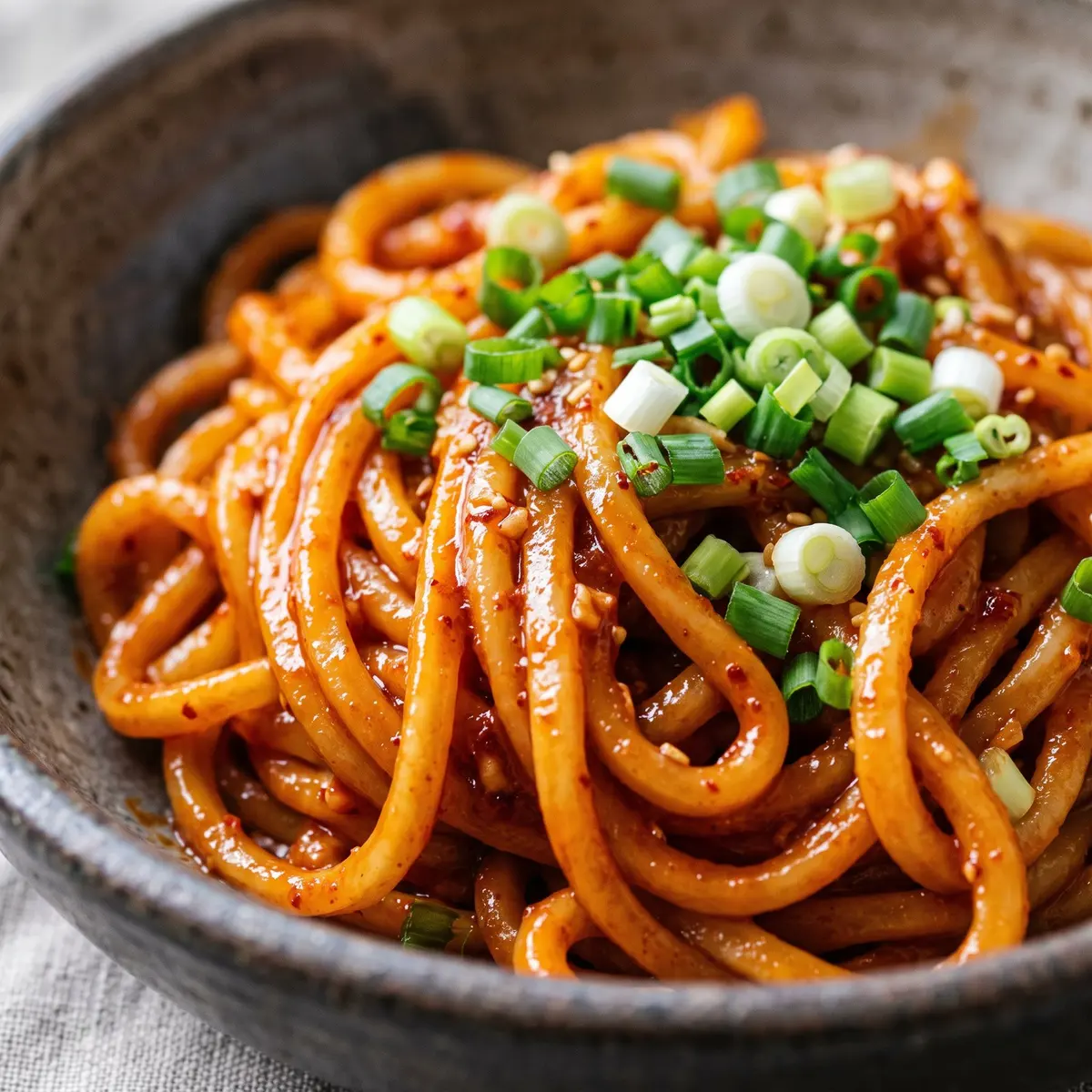
There is something about a gochujang butter noodles that brings a kitchen to life. I have been making some version of this dish for years now, and it never fails — the smell alone pulls everyone to the table before I even call them. This is the kind of recipe that does the heavy lifting on a busy weeknight, and the leftovers (if there are any) are even better the next day.
What I love most about this gochujang butter noodles is how forgiving it is. The ingredient list is short, the steps are straightforward, and the result is the kind of meal that makes you look like you tried way harder than you actually did. Make it once and it will go straight into your regular rotation — I promise.
Why This Gochujang Butter Noodles Works
The secret is layering. Every step in this recipe builds on the one before it, and that is what gives the finished dish so much depth. The aromatics do their work in the first few minutes, the main ingredients settle in and absorb all that flavor, and the final touch — whether that is a squeeze of acid, a handful of fresh herbs, or a finishing drizzle of something rich — pulls everything together. It is the same principle that makes restaurant food taste so good, and it is something you can absolutely do at home.
The other thing that matters is patience. There is no way to rush a gochujang butter noodles and have it taste right. Let things brown properly, let the flavors develop, and trust the process. The reward is a dish that tastes like it cooked for hours, even when it only took you 30 minutes of active time.
Why You’ll Love This Recipe
It uses simple ingredients you can find at any grocery store — nothing weird or specialty.
The method is beginner-friendly but the results feel restaurant-quality.
It scales beautifully — double it for a crowd, halve it for a quiet night in.
Leftovers keep well and reheat like a dream, which makes it perfect for meal prep.
It is the kind of recipe you will come back to again and again because it just works.
What You Will Need
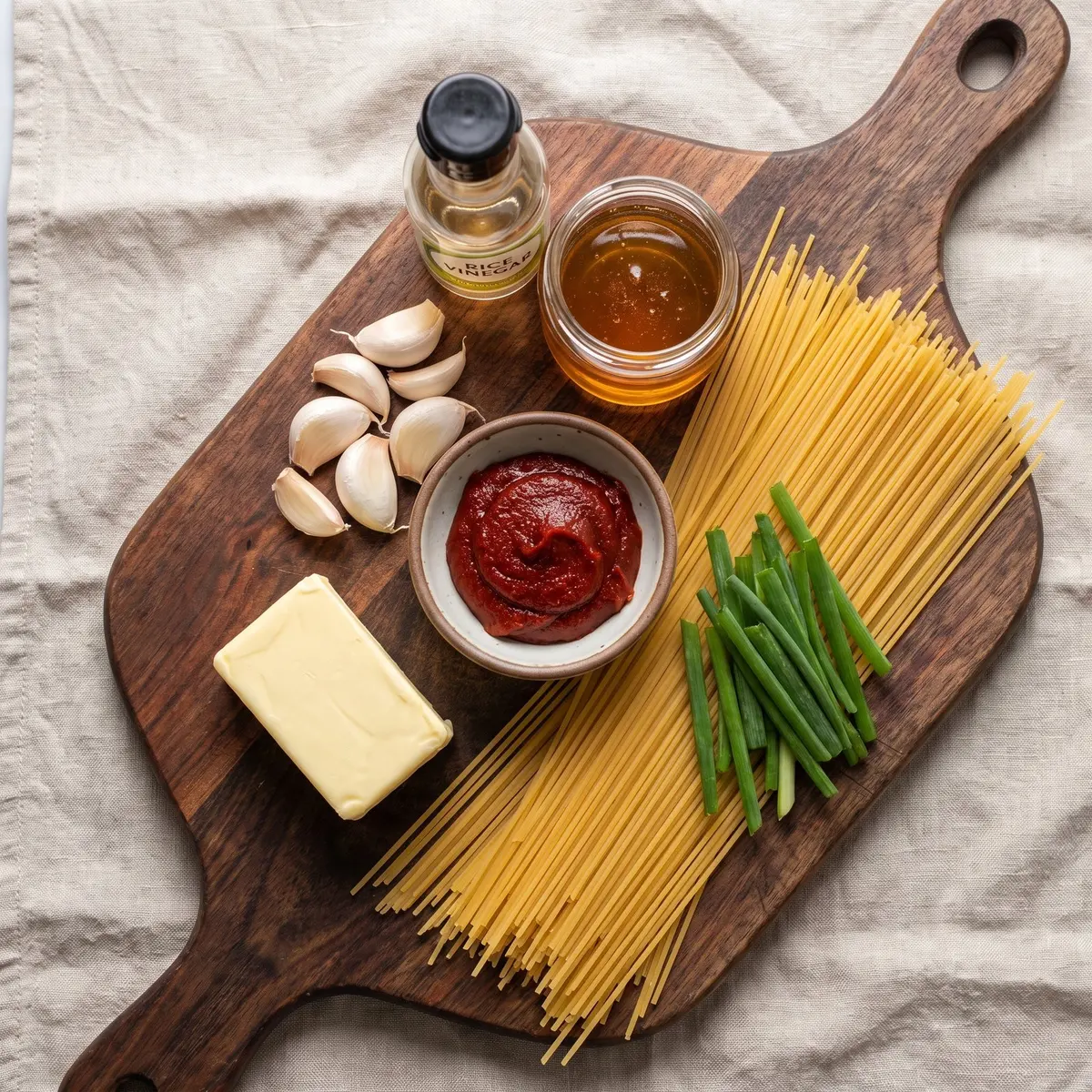
You probably have most of these ingredients on hand already, and the rest are easy to find at any grocery store. Here is everything you need for this gochujang butter noodles:
1 pound spaghetti or other long pasta
6 tablespoons unsalted butter
12 garlic cloves, finely chopped (about ⅓ cup)
Salt and pepper
¼ cup gochujang paste (not sauce; see Tip)
¼ cup honey
¼ cup sherry vinegar or rice vinegar
Finely chopped cilantro or thinly sliced scallions (optional)
How to Make It
Here is exactly how to put this gochujang butter noodles together. Read through the steps once before you start so you have a sense of the flow, and then just go for it:
Step 1. Bring a large pot of water to a boil. Add the spaghetti and cook according to package instructions. Reserve 1 cup of the cooking water. Drain the spaghetti and return to its pot.
Step 2. While the pasta cooks, melt 4 tablespoons of the butter in a skillet over medium-low. Add the garlic and season generously with salt. Cook, stirring occasionally, until the garlic starts to soften but not brown, 1 to 3 minutes.
Step 3. Stir in the gochujang, honey and vinegar, and bring to a simmer over medium-high. Cook, stirring constantly, until the mixture reduces significantly, 3 to 4 minutes; when you drag a spatula across the bottom of the pan, it should leave behind a trail that stays put for about 3 seconds. Remove from the heat.
Step 4. Transfer the sauce to the pot with the spaghetti and add the remaining 2 tablespoons butter. Vigorously stir until the butter melts. Add splashes of the pasta cooking water, as needed, to thin out the sauce. Taste and season with salt and pepper. Top with the cilantro or scallions (if using) and serve immediately.
Tips and Variations
For deeper flavor, let the main ingredients rest for a few minutes longer than the recipe states — even an extra 5-10 minutes makes a noticeable difference.
Add a squeeze of fresh lemon or a splash of vinegar at the very end to brighten everything up. This is the single best trick for making any savory dish taste more vivid.
If you have the time, make this a day ahead. The flavors meld and deepen overnight in the fridge, and the reheated version is honestly even better than the first night.
Swap in seasonal vegetables based on what looks good at the market. This recipe is forgiving and adapts well to whatever you have on hand.
For a richer finish, stir in a small pat of cold butter right before serving. It melts into the sauce and gives everything a silky gloss.
How to Serve It
This gochujang butter noodles is hearty enough to be a meal on its own, but it shines even brighter with the right side. A simple green salad dressed with lemon and olive oil is the classic move — the acidity balances the richness of the main dish. A hunk of crusty bread for soaking up any sauce is never a bad idea, and if you want to stretch the meal further, a small bowl of rice or some roasted vegetables turn it into a full Sunday supper.
For drinks, a cold glass of something crisp works wonders. Iced tea in the summer, a dry white wine in the fall — whatever feels right for the moment.
How to Store
Store leftover gochujang butter noodles in an airtight container in the refrigerator for up to 4 days. For longer storage, freeze in portion-sized containers for up to 3 months — just leave a little room at the top for expansion. Thaw overnight in the fridge and reheat gently in a pan over low heat, adding a splash of broth or water if it has thickened in the cold.
Most of this recipe reheats really well, which makes it a great candidate for meal prep. I often double the batch on Sunday and pack it into individual containers for easy lunches throughout the week.
Common Mistakes and Easy Fixes
If your dish tastes flat: it almost always needs more salt. Add a pinch at a time and taste as you go — savory food should be just slightly saltier than you think it needs to be, because the flavors mellow as it cools.
If the texture is off: nine times out of ten, this comes down to cooking time or heat. High heat for a shorter time gives you a crisp exterior, low and slow gives you tender everything. Match your technique to what the recipe is asking for.
If the sauce or glaze is too thin: simmer it uncovered for a few extra minutes to reduce and concentrate. If it is too thick, add a splash of liquid (broth, water, cream — whatever fits the recipe) until it loosens up.
If the top got too dark before the inside was done: tent with foil for the remainder of the cooking time. That lets the inside finish without burning the top.
Your Questions, Answered
Can I make this ahead of time? Absolutely. In fact, this gochujang butter noodles is one of those recipes that genuinely tastes better the next day. Make it up to two days ahead and store it in the fridge — just reheat gently when you are ready to serve.
Can I freeze it? Yes. Cool it completely, then freeze in airtight containers for up to three months. Thaw overnight in the fridge before reheating. If the recipe includes pasta, rice, or potatoes, cook them separately and add them when you reheat so they do not turn mushy.
What if I do not have one of the spices? Most spices are forgiving. Skip what you do not have, lean into what you do, and add a finishing squeeze of lemon or a pinch of fresh herbs at the end to brighten things up. Cooking is about adaptation, not perfection.
How do I make it lighter? Use lean proteins, swap heavy cream for whole milk or half-and-half, and bulk up on vegetables. The bones of the recipe — aromatics, seasoning, technique — all still work with a lighter ingredient list.
A Few Last Thoughts
That is really all there is to it. A few humble ingredients, a little patience, and a willingness to taste as you go. This is the kind of cooking that does not ask for much and gives back so much more — a warm meal at the table, a quiet kitchen, the kind of dish that does not need anything else.
If you make this gochujang butter noodles, I would love to hear how it turned out. Leave a comment below, snap a photo, and tag me. Happy cooking, friends.
A gochujang butter noodles that delivers big flavor from simple ingredients — easy enough for a weeknight, special enough for company.
Ingredients
Instructions
Bring a large pot of water to a boil. Add the spaghetti and cook according to package instructions. Reserve 1 cup of the cooking water. Drain the spaghetti and return to its pot.
While the pasta cooks, melt 4 tablespoons of the butter in a skillet over medium-low. Add the garlic and season generously with salt. Cook, stirring occasionally, until the garlic starts to soften but not brown, 1 to 3 minutes.
Stir in the gochujang, honey and vinegar, and bring to a simmer over medium-high. Cook, stirring constantly, until the mixture reduces significantly, 3 to 4 minutes; when you drag a spatula across the bottom of the pan, it should leave behind a trail that stays put for about 3 seconds. Remove from the heat.
Transfer the sauce to the pot with the spaghetti and add the remaining 2 tablespoons butter. Vigorously stir until the butter melts. Add splashes of the pasta cooking water, as needed, to thin out the sauce. Taste and season with salt and pepper. Top with the cilantro or scallions (if using) and serve immediately.
Elowen Thorn I cook, photograph and re-test every recipe in an ordinary home kitchen before it goes up, so what you make matches what you see. Savory Discovery is where simple weeknight cooking, seasonal ideas and the odd bit of kitchen craft sit side by side — written plainly, and worth cooking twice.