By Elowen Thorn · Autumn Desserts · 6 formulas · Serves 8 to 40
Every pumpkin dessert that has ever failed in my kitchen failed for the same reason, and it was never the recipe. It was water. Pumpkin is roughly three-quarters water, and once you know how much of it to remove, five simple ratios will take you from custard pie to cheesecake to cookies without opening a single recipe card.
Most pumpkin baking goes wrong the same way. The pie weeps a puddle into the crust. The cheesecake cracks across the middle. The cookies spread into flat discs. The loaf is gorgeous on Sunday and dry by Tuesday. These look like four different problems and they are almost always one: too much water in the puree meeting too little structure in the batter.
Pumpkin puree is about 75 percent water. Recipes written for a specific can of it quietly assume that water is accounted for. When you roast your own squash, or thaw frozen puree, or simply use a wetter brand, you add several tablespoons of water nobody planned for. That is enough to turn a custard that should slice cleanly into one that slumps on the plate.
So instead of memorising a dozen recipes, learn the ratios. If you know how much egg, dairy, sugar and starch each style of dessert needs per cup of drained pumpkin, you can build a pie, a cheesecake, a no-bake layer, a crumb cake, a cookie or a truffle from the same bowl of puree. That is what this guide is: the numbers, the temperatures and the order, so you can work from what is in front of you.
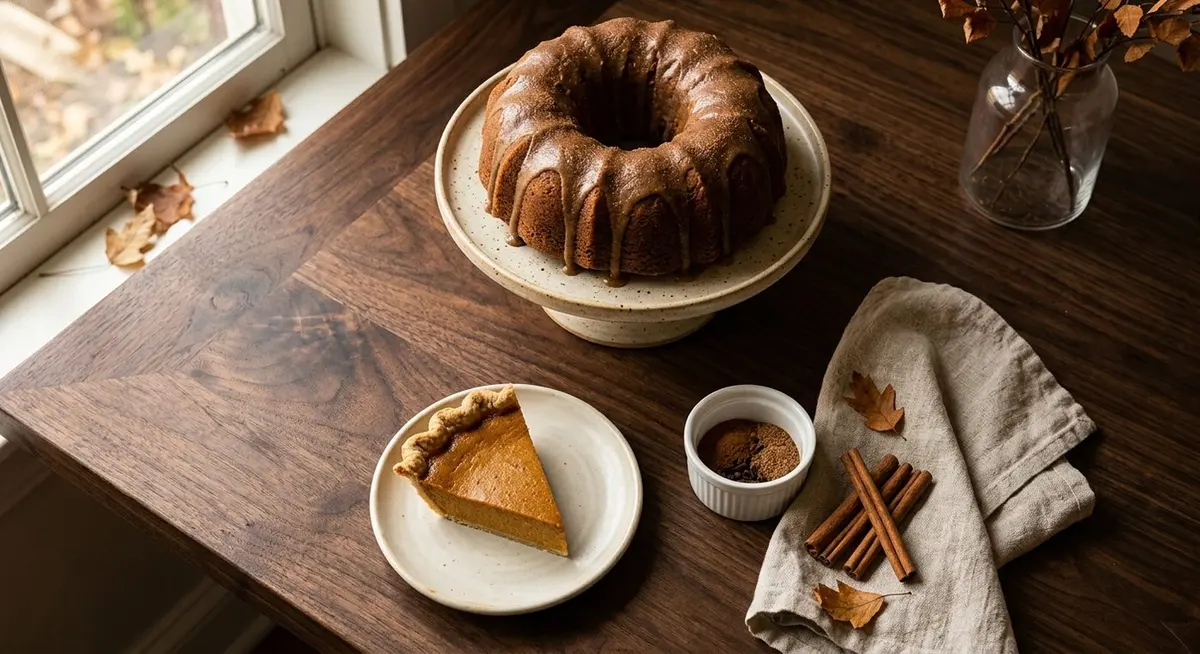
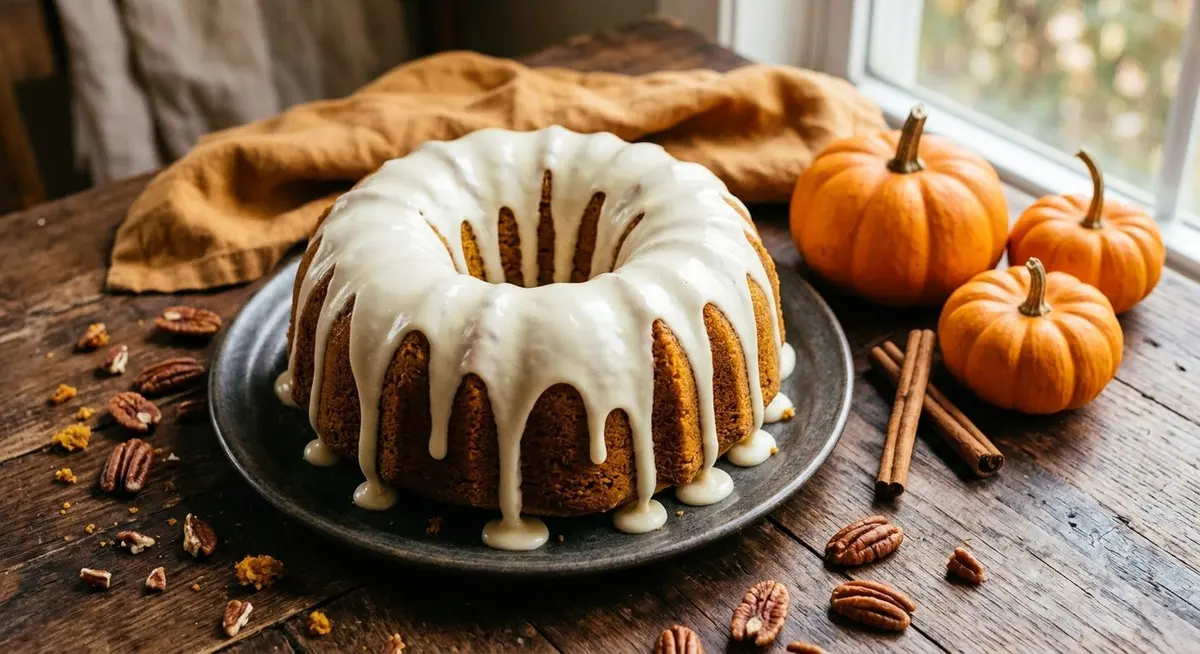
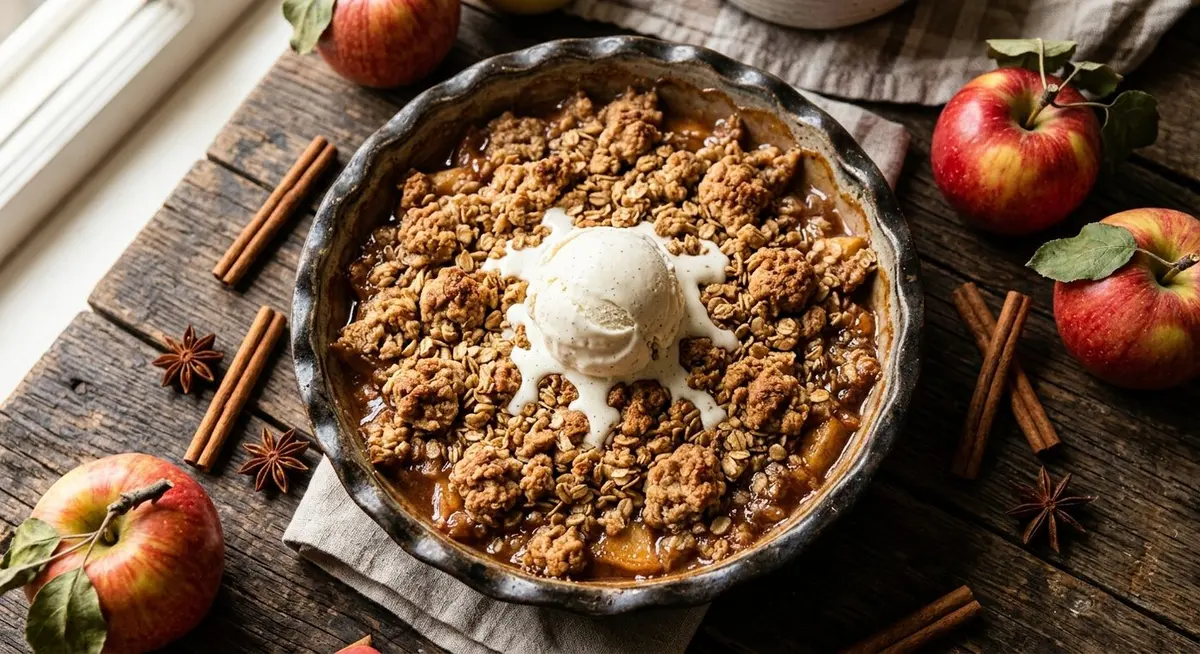
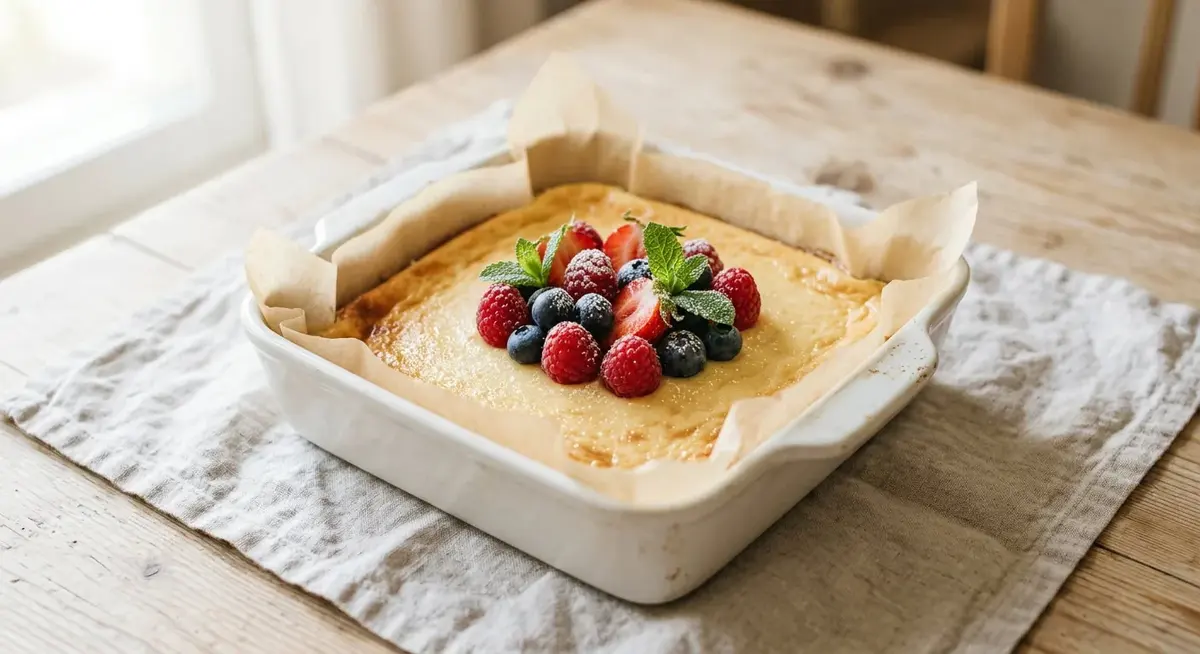
One bowl of properly drained puree becomes any of these. The style changes; the ratios do not.
The one idea worth remembering. You are not baking pumpkin. You are baking pumpkin plus the water left in it, and you get to decide how much of that water stays. Everything below follows from that.
Step Zero: The Blot Test
Before any dessert, drain the puree. This takes half an hour of doing nothing and it is the single highest-value step in pumpkin baking. Skip it and you will spend the bake compensating for a problem you created in the first minute.
Line a fine sieve with two sheets of paper towel and set it over a bowl.
Spread the puree across the towel in a thin layer, no thicker than a centimetre. A thick mound only drains on the surface; a thin layer drains throughout.
Leave it for 30 minutes at room temperature. Do not press it, do not squeeze it, and do not weight it.
Scrape the drained puree off the towel into a bowl and measure what you actually have. It will be less than you started with, and that is the point.
Discard the liquid in the bowl. It is the difference between a slice that holds its edge and one that bleeds.
How much you lose depends on the puree. Canned puree gives up two to four tablespoons per cup. Home-roasted squash, especially the big carving varieties, can give up twice that. Frozen puree is the wettest of all, because freezing ruptures the cell walls and releases water that was previously held inside them.
Which puree to start with
Puree types and how they behave
Puree
Water it holds
What to do
Canned puree, 15 oz
Moderate and consistent
Blot 30 minutes; nothing more needed
Home-roasted sugar pumpkin
High and unpredictable
Blot 45 minutes, then check the texture
Home-roasted butternut squash
Moderate, sweeter flesh
Blot 30 minutes; expect a lighter colour
Frozen puree, thawed
Highest of all
Thaw overnight in a sieve so it drains as it defrosts
Pumpkin pie filling
Not puree at all
Never substitute; it is already sweetened and spiced
The texture test. Properly drained puree holds a soft peak when you lift a spoonful, roughly the consistency of thick yogurt. If it slides off the spoon in a stream, keep blotting. If it stands stiffly like paste, you have gone too far and should fold in a tablespoon of water back.
The Six Ratios Behind Every Pumpkin Dessert
Each line below is scaled to one cup of drained puree, which is the only measurement that matters. Double it, halve it, or swap the style entirely. Just keep the relationship between puree and everything else intact.
Six formulas, each per 1 cup of drained puree
Style
Eggs
Dairy or fat
Sugar
Structure
Custard (pie, bars, tart)
2
3/4 cup
1/3 cup
None; it sets on egg alone
Baked cheesecake
3
16 oz cream cheese + 1/3 cup sour cream
2/3 cup
None; needs a water bath
No-bake set layer
0
8 oz cream cheese + 1 cup cream
1/2 cup
1 tsp gelatin bloomed in 2 tbsp water
Crumb cake or loaf
2
3/4 cup oil
1 cup
1 3/4 cups flour + 1 tsp soda
Cookies and bars
1
3/4 cup melted butter
1 cup
2 1/4 cups flour + 1 tsp soda
Truffle or no-bake bite
0
12 oz white chocolate + 2 tbsp cream
To taste
Chill to set; no starch needed
Read that table across rather than down. The custard family leans on egg for its set and uses almost no flour, which is why it must be baked gently and pulled early. The cheesecake family leans on cream cheese and a water bath. The crumb and cookie families lean on flour and baking soda, which is why they tolerate a hotter oven and a faster bake.
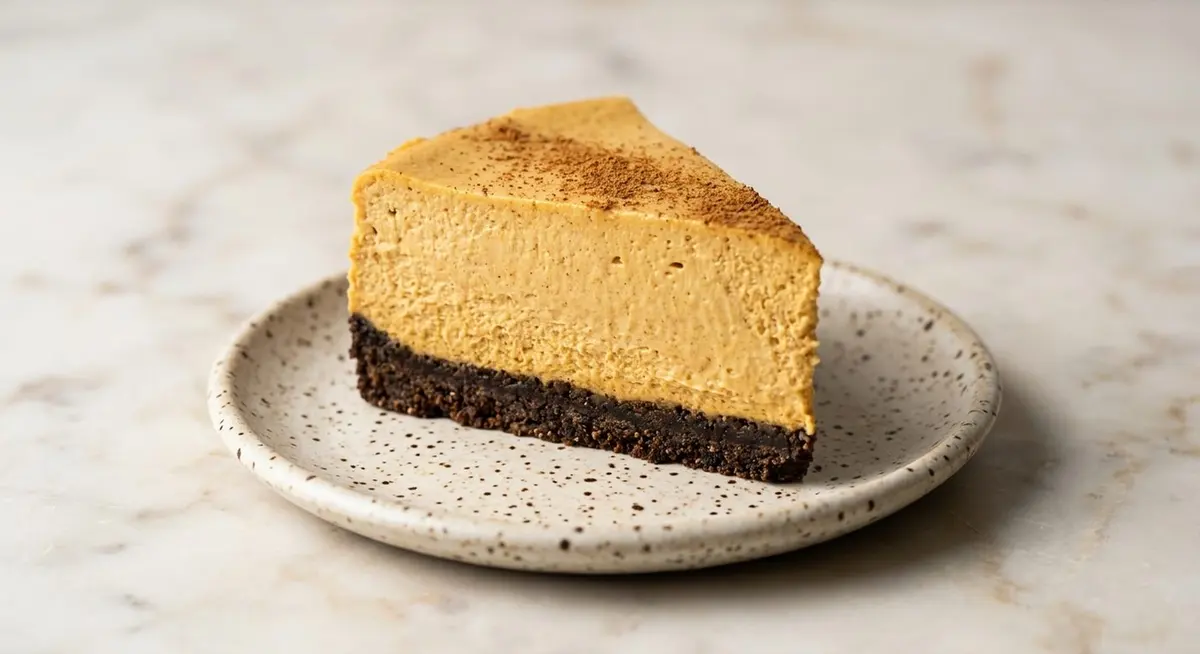
The no-bake line of the table: cream cheese and whipped cream carry it, gelatin sets it, and the oven never comes on.
Where people go wrong with the ratios
Adding a second egg for safety. An extra egg in a custard does not make it safer, it makes it rubbery. Custard sets at 175°F precisely because of the ratio above; more egg pushes the set temperature up and the texture toward scrambled.
Doubling the spice with the batch. Spice scales with puree, not with servings. If you double the puree you double the spice, but if you only double the sugar you have built a sweeter, flatter dessert.
Treating cookies like cake batter. The cookie line takes one egg and melted butter, not two eggs and softened butter. That is what makes them chewy rather than cakey, and it is the difference most people never diagnose.
A worked example. You have two cups of drained puree and want pumpkin bars. Double the cookie line: 2 eggs, 1 1/2 cups melted butter, 2 cups sugar, 4 1/2 cups flour, 2 tsp soda, and 2 tsp of the spice blend. Nothing else changes.
Temperatures and Times That Decide the Result
Pumpkin desserts are decided by two numbers: the oven temperature and the internal temperature you pull them at. The clock is only a rough guide, because every oven runs a little hot or cold and every pan conducts differently.
Ovens, pans and times
Dessert
Pan
Oven
Time
Custard pie
9 inch deep dish
350 F / 175 C
45 to 55 min
Custard bars
13 x 9 inch
350 F / 175 C
35 to 45 min
Baked cheesecake
9 inch springform, water bath
325 F / 165 C
65 to 75 min
Crumb cake or loaf
9 x 5 inch loaf
350 F / 175 C
55 to 65 min
Cookies
two lined sheet trays
350 F / 175 C
12 to 15 min
Oat bars
8 x 8 inch
350 F / 175 C
30 to 35 min
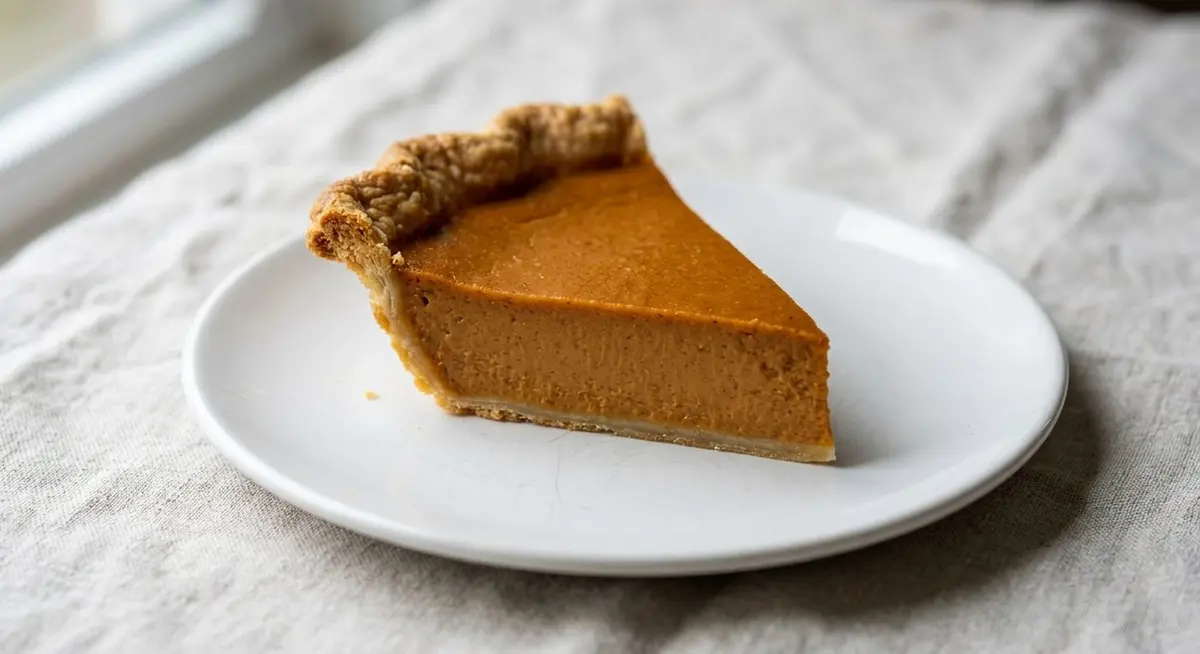
A clean cut edge like this comes from pulling the custard at 175°F and letting it finish setting as it cools.
The internal temperatures that matter
Custard: 175°F / 79°C. Below that it will not set. Above about 185°F the proteins tighten and squeeze out water, which is what a weeping pie actually is.
Cheesecake: 150°F / 65°C. The outer two inches will look set and the middle will still look underdone. That is correct. It finishes in the switched-off oven and then in the fridge.
Crumb cakes and loaves: 200°F / 93°C. A skewer should come out with a few moist crumbs rather than wet batter.
Cookies: no thermometer, just the edge. Pull them when the edges are set and barely coloured and the middles still look soft. They firm up on the tray.
Why the water bath is not optional for cheesecake. A springform pan in dry oven heat conducts hard through the metal, and the edges of the custard set before the centre has begun. The result is a ring of overcooked, grainy cheesecake around a sunken middle. A water bath holds the pan at roughly 212°F, so the whole thing sets at the same rate.
The Spice Blend and the Thirty-Second Bloom
Pumpkin spice is a formula, not a product. Once you know the ratio you can dial it toward whichever note you love and stop buying jars that taste of dust by January.
The blend, per cup of puree and by the jar
Spice
Per cup of puree
Jar for 8 batches
Ground cinnamon
1 tsp
8 tsp
Ground ginger
1/2 tsp
4 tsp
Ground nutmeg
1/4 tsp
2 tsp
Ground allspice
1/4 tsp
2 tsp
Ground cloves
1/8 tsp
1 tsp
The thirty-second bloom
Here is the technique that does more for flavour than doubling the spice. Warm the blend in the fat, the melted butter or the oil, for about thirty seconds before the eggs or the puree go in. The aromatic compounds in cinnamon, nutmeg and cloves are fat-soluble, so heat and fat pull them out of the powder and into the dessert. Do this and a single teaspoon tastes like three.
More warmth: add another 1/4 tsp ginger. Ginger is the note that makes a dessert taste like a cold morning.
More aroma: grate nutmeg fresh. The difference between fresh and pre-ground is not subtle.
Less aggressive: halve or omit the cloves. They divide people more than any other spice here.
Chai direction: add 1/4 tsp ground cardamom and a pinch of black pepper.
Cardamom caution: it is powerful. Start with an eighth of a teaspoon and taste the batter before you commit.
Two rules for the jar. Label it with the date you mixed it, and keep it away from the hob. Ground spice loses most of its punch in six months of heat and light, and a pumpkin dessert built on tired spice tastes like plain sweet cake no matter how good your ratios are.
Pairing the Dessert With the Topping
A topping should add one thing the dessert is missing, usually contrast. Most pumpkin desserts are soft, sweet and warm-spiced, so what they want is either cool, tart, salty or crunchy. What they rarely want is more sugar.
What to put on top, and what to leave off
Dessert
Best topping
Skip
Custard pie
Softly whipped cream, barely sweetened
Thick icing, which buries the spice
Baked cheesecake
Salted caramel or a spoon of sour cream
More sugar on an already rich base
No-bake layer
Crushed gingersnaps for crunch
Fresh fruit, which waters the surface
Crumb cake
Nothing; the crumb is the topping
A glaze, which softens the streusel
Cookies and bars
A thin maple or cream cheese drizzle
Powdered sugar, which vanishes by day two
Truffles
A dusting of the spice blend
A chocolate coating, unless eaten cold
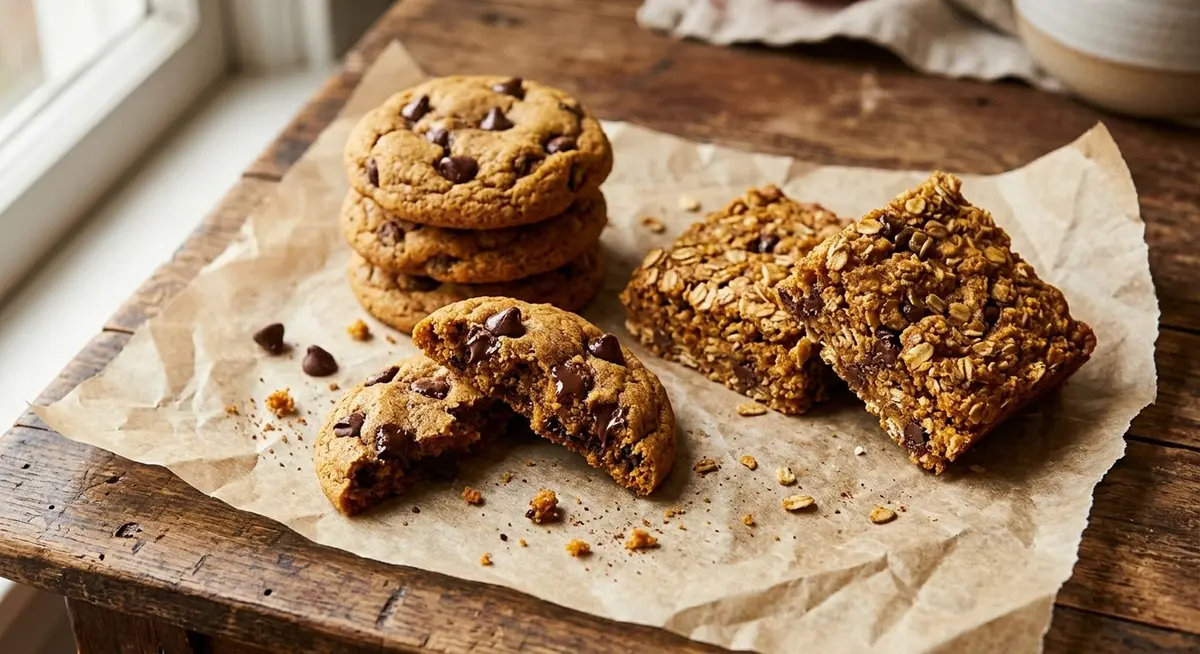
Cookies and bars are the simplest place to start, because they forgive a hotter oven and need no topping at all.
If you are building a dessert tray rather than a single dish, pick one from each family: something cold and creamy, something chewy, and something crisp. A slice of custard pie, a soft pumpkin cookie and a handful of the cinnamon roll cookies covers every texture without any of it repeating. The full spread of options is gathered in the season’s best pumpkin desserts if you would rather work from a list than from ratios.
The Make-Ahead Timeline
Pumpkin desserts are unusually good for making ahead, because most of them improve after a few hours in the cold and the spice needs time to spread through the crumb. The only real rule is that you drain the puree before you start, not in the middle of a bake.
What can be done when
When
What to do
Why it works
Up to 1 month ahead
Roast and puree squash; freeze in 1-cup portions
Thaw overnight in a sieve so it drains as it defrosts
Up to 1 week ahead
Mix a jar of the spice blend; toast and chop nuts
Nuts go soft in batter if left raw, and stay crisp toasted and stored airtight
Up to 3 days ahead
Bake the crumb base for bars or the crust for pie
A cooled base goes into the fridge and saves an hour on the day
Night before
Blot the puree; set out cream cheese, eggs and butter
Room-temperature dairy makes a smooth batter with no lumps
Morning of
Bake custards and cheesecakes
They need hours to chill and set, so the morning is the last safe slot
Two hours before
Whip the cream; make the caramel or drizzle
Both are quick, and cream should not sit longer than a couple of hours
Just before serving
Add crunchy toppings and dust the spice
Crunch softens within an hour against a moist surface
What does not make ahead
Crunchy toppings on a no-bake layer. Gingersnap crumbs, toasted nuts and streusel all go soft within an hour on a moist surface. Add them at the table.
Whipped cream more than two hours out. It weeps and deflates. Whip it close to serving, or stabilise it and accept a slightly firmer texture.
Cut fruit. It waters the surface beneath it and leaves a wet patch. Keep it separate until serving.
A glazed crumb cake. The glaze melts into the streusel and you lose the crunch that made it worth baking.
The flavour argument for making it a day early. Almost every pumpkin dessert tastes better on day two. The spice moves out of the batter and into the crumb, and what reads as flat an hour out of the oven reads as seasoned the next morning. Bake it the day before and serve it rested.
Scaling a Pumpkin Dessert for a Crowd
Scaling up pumpkin desserts is not quite the same as scaling up a cake, because the set depends on volume and the bake depends on depth. A bigger pan that is not deeper bakes faster than you expect; a deeper one bakes much more slowly.
Serving sizes and puree needed
Guests
Puree needed
Best format
Watch out for
6 to 8
1 cup
A single 9 inch pie or a small batch of bars
Nothing; this is a standard batch
10 to 12
1 1/2 cups
A 9 x 13 inch pan of bars or a trifle-style no-bake layer
Bars cut smaller rather than a second pie
16 to 20
2 1/2 cups
One big custard in a roasting pan, plus a tray of cookies
A shallow roasting pan bakes faster than a pie; start checking early
25 to 30
3 1/2 cups
A no-bake layer for volume plus a tray bake for structure
Make the no-bake in two bowls rather than one deep one
35 to 40
5 cups
Two formats across three trays, one of them cup-based
Chill in shallow containers so it sets before serving
Scale the spice with the puree, not the servings. That keeps the flavour constant across every size.
Never scale the leavening past 1 1/2 times. Beyond that the soda taste turns sharp. Use two smaller batches of batter instead.
Split large custards across two pans. One deep pan means the centre is underdone when the edges are overdone.
Chill in shallow trays. A deep bowl of no-bake set takes all night; a wide tray takes four hours.
Trays beat plating for a crowd. Cupping a dessert for thirty people means cutting thirty portions and handling thirty servings, and one of them will collapse. A tray bake plus one spooned no-bake gets you a full dessert table in two pans and about forty minutes of work.
Storage, Freezing and Food Safety
Chilled pumpkin desserts are more delicate in storage than they look, mainly because they hold a lot of water. Wrap them loosely, not tightly, and keep the custard families cold.
How long each dessert keeps
Dessert
Fridge
Freezer
Custard pie and bars
3 days, loosely covered
2 months, wrapped once fully set
Baked cheesecake
5 days, airtight
2 months, whole or in slices
No-bake layer
4 days, airtight
Not recommended; it weeps
Crumb cake and loaf
5 days, parchment then foil
3 months, unglazed
Cookies and bars
5 days, airtight
2 months, interleaved with parchment
Truffles
2 weeks, in a sealed tin
3 months, in a single layer
Loose wrap, not sealed lids, for custards. A sealed lid traps condensation, and condensation is what makes the surface of a chilled pumpkin dessert tacky and dull.
Freeze before you glaze. A glazed dessert going into the freezer comes out with a weeping, sticky surface that never recovers.
Dry the pan before it goes back in. If you are holding a cheesecake in its springform, wipe the underside, or the base will sit in condensation for days.
A damp cloth under the board for cutting. Custards slice cleanly with a hot, dry knife wiped between cuts.
Food safety note. Anything built on eggs, cream cheese or whipped cream belongs in the fridge and should not sit out at room temperature for more than two hours. Baked loaves and cookies with no dairy icing can stay out, but anything with a glaze or a cream layer should be refrigerated. Discard the whole dessert at the first sign of fuzz, because mould threads run well past the visible patch.
Swaps, Allergies and Substitutions
The formulas are forgiving if you swap within a category rather than across one. Changing a fat for another fat is easy. Removing the eggs from a custard is not, because in that dessert the egg is the structure.
Substitutions that work, and what to expect
Instead of
Use
Expect
Each egg (custards)
Not recommended
No reliable swap; the set depends on egg protein
Each egg (cake, cookies)
1 tbsp ground flax + 3 tbsp water, rested 5 min
Slightly denser and more crumbly; add 2 tbsp extra liquid
Butter or oil
The other, in the same amount
Oil keeps it softer longer; butter tastes richer on day one
Cream cheese
Mascarpone or thick Greek yogurt
Softer set; yogurt adds a faint tang
Whipping cream (no-bake)
Full-fat coconut cream, chilled
Firmer set, slight coconut note, less airy
Heavy cream (custard)
Whole milk plus 1 tbsp butter per 1/4 cup
Thinner body; bake it a few minutes longer
All-purpose flour
Cup-for-cup gluten-free blend (not almond or coconut)
Add 1 extra egg white for structure
White chocolate (truffles)
Dark chocolate, 60 percent or higher
Firmer set and much less sweet; reduce the sugar
The three swaps that quietly ruin a batch
Almond or coconut flour for wheat. Neither behaves like flour; almond adds fat and coconut drinks liquid. A custard or a batter built on either will not set as written.
Pumpkin pie filling for puree. It is pre-sweetened and pre-spiced, so the dessert arrives cloying and the spice balance is doubled or worse.
Honey or maple syrup as the only sugar. Both are liquid and both brown faster, so the batter gets wetter and the crust darkens before the centre sets. Replace no more than half the sugar.
If you need it dairy free: use the no-bake line of the ratio table with coconut cream in place of both the cream cheese and the whipped cream, and add an extra half teaspoon of gelatin. It sets firmer than the dairy version, so spoon it into small glasses rather than trying to slice it.
Troubleshooting: What Went Wrong
Almost every pumpkin problem traces back to water, temperature or overmixing, in that order. Here is what each failure actually means and the fix that addresses the cause rather than the symptom.
Fault, cause and cure
What happened
Real cause
Next time
Watery puddle under the pie
Undrained puree plus a custard pulled too late
Blot the puree 30 minutes and pull the custard at 175 F
Pie cracked across the top
Baked too hot or too long; custard proteins over-tightened
Drop to 325 F and use a water bath or a lower rack
Cheesecake sank in the middle
Overmixed batter whipped full of air, or the oven door opened early
Mix on low, and do not open the oven in the first 45 minutes
Cheesecake ring of grain around the edge
No water bath, so the edges set before the centre
Always bake a cheesecake in a water bath at 325 F
No-bake layer never firmed
Gelatin not bloomed, or the cream not whipped enough
Bloom gelatin in cold water 5 minutes, then dissolve it fully before folding
Cookies spread into discs
Butter too warm plus too much liquid from the puree
Chill the dough 1 hour and blot the puree properly
Crumb cake dry by day two
Too much flour, and butter instead of oil
Spoon and level the flour; use oil for the crumb family
Bars taste flatly sweet
Not enough salt, or spice that has gone stale
Add the full salt in the ratio, and mix a fresh jar of the blend
If only one thing changes after reading this, make it the blot test. It costs half an hour of waiting and it removes the single largest source of pumpkin failure before the oven is even on.
Questions People Actually Ask
These are the questions that come up most often, and most of them are really questions about water and temperature wearing a costume.
Do I really have to drain the pumpkin?
Yes, and it is the most important step in the whole guide. Puree is about 75 percent water, and the excess is what makes custards weep, no-bake layers stay loose and cookies spread. Thirty minutes over paper towel in a sieve removes two to four tablespoons per cup. Skip it and every ratio below is working against water you added yourself.
Can I use pumpkin pie filling instead of puree?
No. Pie filling is already sweetened and spiced, so you would be doubling both the sugar and the spice before you add anything. Check the label for the word puree and make sure nothing else is listed alongside the pumpkin.
My custard pie came out watery. What happened?
Two causes, usually together: undrained puree and a custard baked past 185 degrees. Custard proteins tighten with heat and squeeze out their water, so a pie that reads as watery is often simply overcooked. Blot the puree and pull the pie at 175 degrees Fahrenheit, when the centre still wobbles as one piece.
Why is my cheesecake grainy around the edge?
That grainy edge is overcooked custard, and it happens when a springform pan bakes in dry oven heat without a water bath. The metal conducts hard, so the outer ring sets long before the centre. Set the pan in a roasting tin with an inch of hot water and bake at 325 degrees. The edges and the middle then move together.
How do I know when a pumpkin dessert is done?
Use a thermometer, not the clock. Custards and pies are done at 175 degrees Fahrenheit. Baked cheesecakes are done at 150 degrees, with the outer two inches set and the middle still looking underdone. Crumb cakes and loaves read about 200 degrees and spring back under a fingertip. Cookies have no internal temperature; pull them when the edges are set and the middles still look soft.
Can I make these without eggs?
In the crumb, cookie and no-bake families, yes. Replace each egg with one tablespoon of ground flax mixed with three tablespoons of water and rested for five minutes, then add two tablespoons of extra liquid because the swap is thirstier. In a custard, no: the egg is the entire structure, and there is no substitute that sets the same way.
What is the best pumpkin for baking?
A small sugar pumpkin, butternut squash or kabocha. All three are sweet and comparatively low in water. Avoid the large carving pumpkins, which are bred for size and hollow structure and give you stringy, bland flesh that is also the wettest of the lot.
How far ahead can I make a pumpkin dessert?
Further than you think, and it usually improves. Custards, cheesecakes and no-bake layers need at least four hours in the fridge and are better after a night, because the spice spreads through the crumb. Crumb cakes keep five days wrapped in parchment then foil. The exception is anything crunchy on top, which goes soft within an hour on a moist surface, so add it at the table.
Free Printable: The Pumpkin Dessert Decision Cards
A printable companion to these ratios: the blot test, all six formula cards, the bake chart, doneness checks, the spice blend, the pairing chart, a make-ahead timeline and storage tracker, and gift tags to cut out.
PDF · 4 pages · prints on letter or A4 · subscribe to unlock the download
Savory Discovery · By Elowen Thorn · Last updated September 2026. Internal temperatures and ratios are kitchen-tested guidelines, not food-safety advice; chill anything built on eggs or cream.
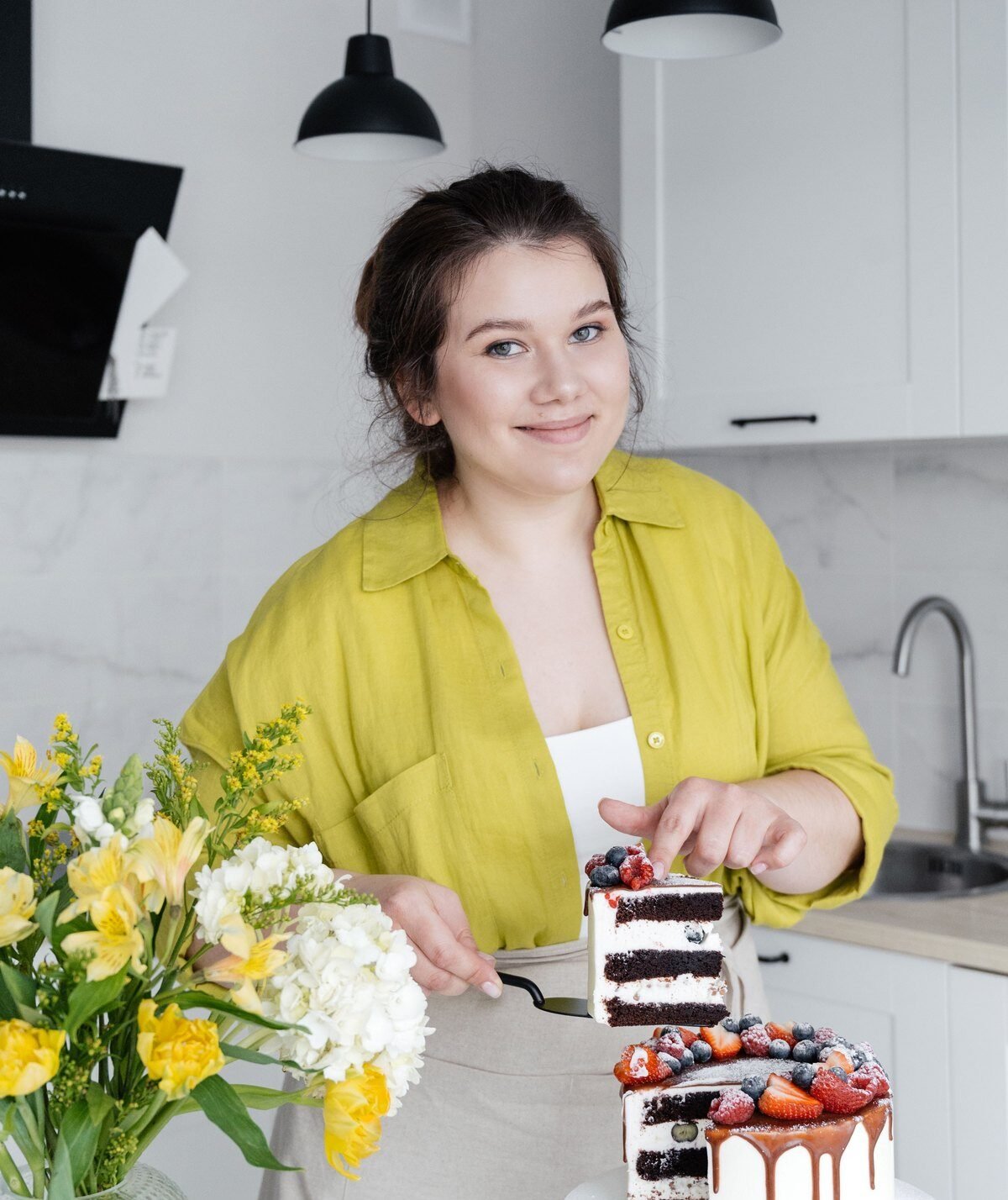
Elowen Thorn I cook, photograph and re-test every recipe in an ordinary home kitchen before it goes up, so what you make matches what you see. Savory Discovery is where simple weeknight cooking, seasonal ideas and the odd bit of kitchen craft sit side by side — written plainly, and worth cooking twice.