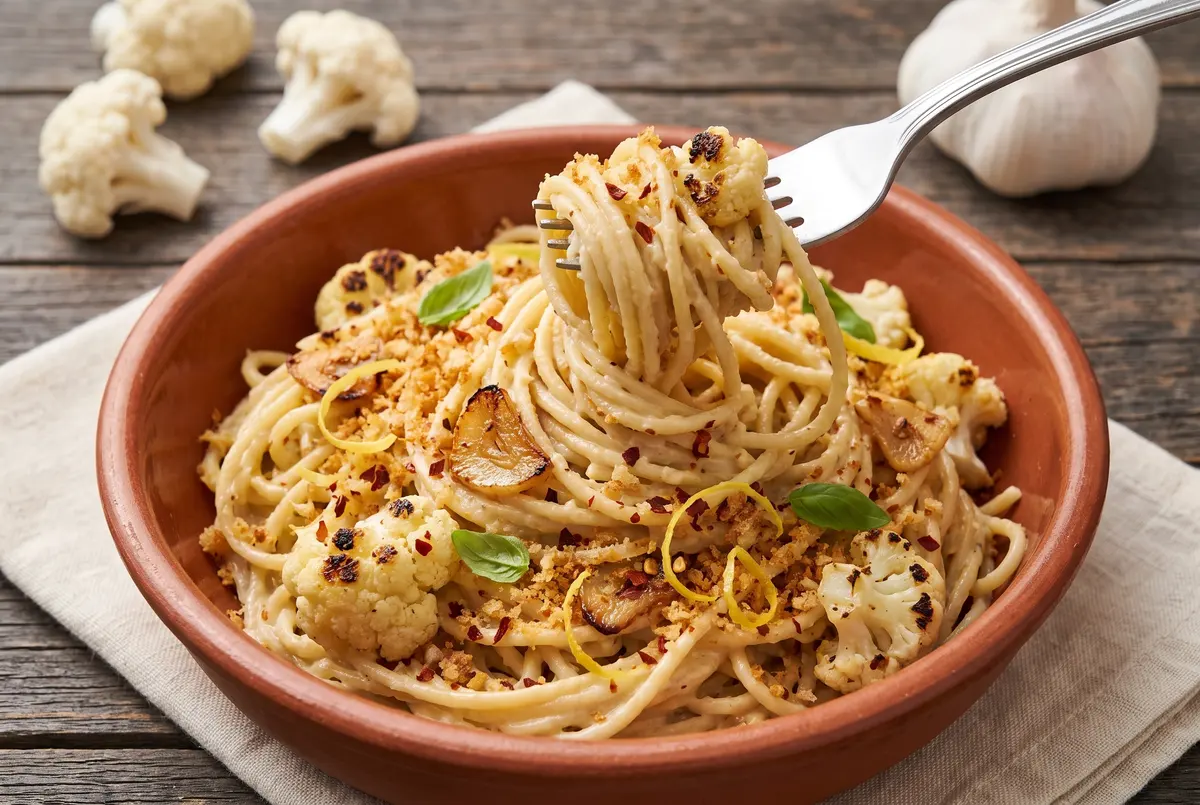
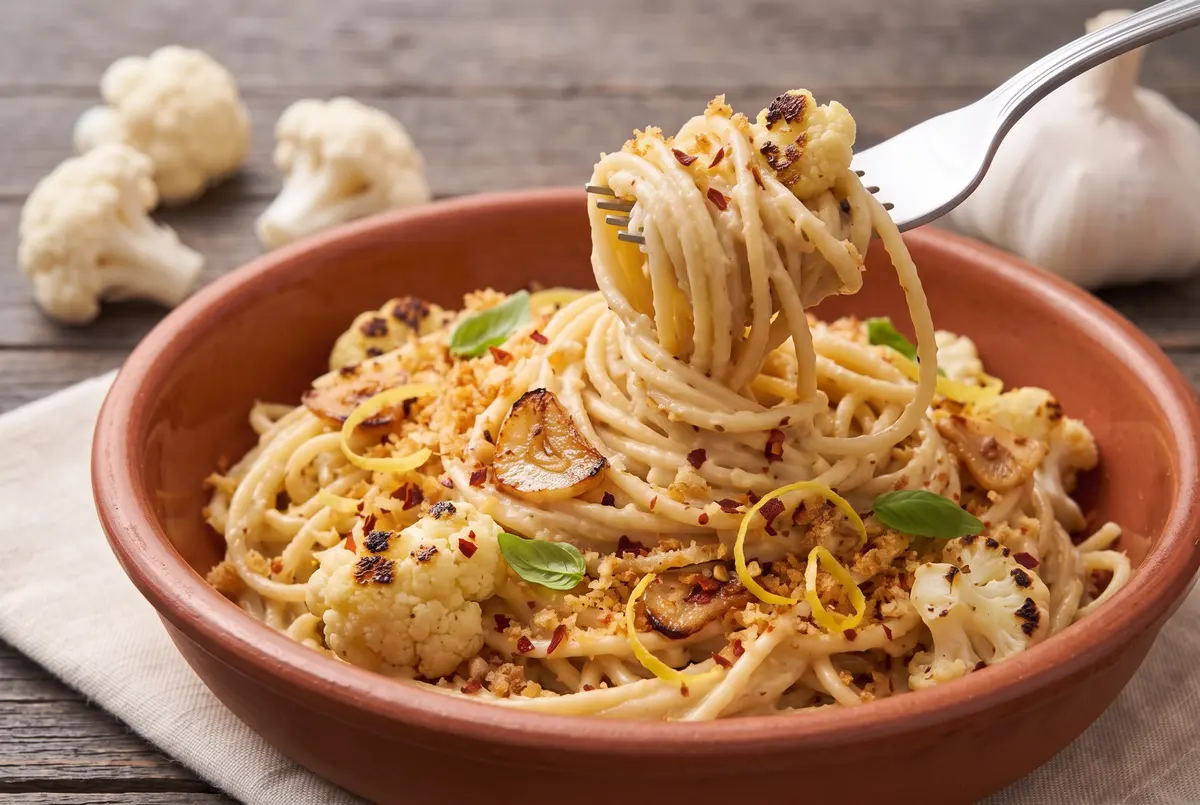
Have you ever roasted a head of cauliflower and caught yourself sneaking pieces off the tray before it ever made it to the pasta? Same. That’s the whole idea behind this creamy roasted garlic cauliflower alfredo — the cauliflower doesn’t sneak into the sauce, it owns it.
My grandma never made anything quite like this, of course. She was a butter-and-cream woman through and through, and I’d never dare suggest a humble vegetable could stand in for any of her beloved dairy. But somewhere along the line — maybe after the year I tried to eat more plants without giving up my pasta nights — this recipe happened, and now it’s the one I make when I want the comfort of an alfredo without the heaviness that makes me want to nap on the couch for an hour afterward.
Why Roasted Cauliflower Works So Well Here
The trick, and I cannot stress this enough, is roasting. Don’t boil or steam your cauliflower and expect this sauce to taste like much. Roasting does two things at once: it concentrates the natural sweetness of the cauliflower, and it gives you those deeply caramelized, almost-nutty edges that bring real depth to an otherwise mild vegetable. Once you blend the roasted florets with garlic, a little cream, and a generous handful of parmesan, you get a sauce that tastes rich and savory, not “healthy” in that punishing sort of way.
Roasted garlic slips in right alongside the cauliflower on the tray. When the garlic goes soft and golden, it squeezes right out of its papery skin and melts into the sauce like it’s been there all along. No harsh allium bite — just sweet, mellow, soft garlic flavor that ties everything together.
If you’ve been burned by bland cauliflower pasta recipes in the past, give this one a real try. It comes together in about 30 minutes start to finish, and the sauce is forgiving — a little thinner, a little thicker, it all works. Let me walk you through exactly how I do it.
From Pot to Plate: My Step-by-Step Method
Step 1: Roast the cauliflower and garlic together. Preheat your oven to 400°F (200°C). Cut a head of cauliflower into large bite-sized florets — don’t make them too small, or they’ll dry out before they caramelize. Toss them on a parchment-lined baking sheet with a couple of tablespoons of olive oil, a generous pinch of salt, and several grinds of black pepper. Add four unpeeled garlic cloves to the tray (yes, leave the skins on — they steam inside and turn soft and sweet). Roast for 25 minutes, until the florets are tender and the edges are deeply golden.
Step 2: Boil the pasta water while the cauliflower roasts. Don’t waste those 25 minutes. Bring a big pot of well-salted water to a boil. You’ll be cooking 11 oz of spaghetti here — though honestly, any long pasta works. Linguine, fettuccine, even bucatini if you’re feeling fancy. Reserve at least a cup of that starchy pasta water before you drain anything. That cloudy water is the secret to a sauce that clings.
Step 3: Build the cream sauce. While the pasta cooks, heat a tablespoon of butter and a teaspoon of olive oil in a deep skillet over low heat. Finely slice four fresh garlic cloves and let them sauté gently for about two minutes — you’re going for fragrant and soft, never brown. Pour in ⅔ cup of heavy cream, add a teaspoon of fresh thyme leaves, a half teaspoon of salt, and a quarter teaspoon of black pepper. Bring it just to a bubble, then turn the heat down low and let it simmer for three minutes to thicken slightly.
Step 4: Blend the cauliflower into the sauce. When the cauliflower is done, scoop most of the florets (and all four of those soft roasted garlic cloves — squeeze them right out of their skins) into a food processor. Add about half a cup of the cream sauce from the skillet and blitz until completely smooth. This takes a good minute — be patient. You want it silky, not chunky. Pour the blended cauliflower back into the skillet with the rest of the cream sauce and stir to combine.
Step 5: Toss everything together. Drain your pasta (remembering that reserved water!) and add it to the skillet with the cauliflower sauce along with half a cup of the reserved pasta water. Use tongs and gently turn the pasta in the sauce over medium heat for a minute or two — this is when the sauce and pasta become one. Add more pasta water, a splash at a time, if it looks too thick. Stir in the remaining roasted cauliflower florets last so they keep their pretty charred edges.
Step 6: Finish and serve. Off the heat, stir in a generous handful of grated parmesan. Taste for salt — you’ll probably need a little more, but the parmesan brings a lot. Pile into warm bowls, top with extra parmesan, a few more grinds of black pepper, and a small shower of fresh thyme leaves. Done.
Creative Twists to Try
Brown butter breadcrumbs. Toast a handful of panko in a little butter until deeply golden, then sprinkle over the top for crunch.
A squeeze of lemon. Right before serving, hit it with a wedge of lemon. The brightness against the creamy sauce is unexpected and wonderful.
Spicy kick. A pinch of red pepper flakes in the cream sauce, or a drizzle of chili oil on top, gives this a grown-up edge.
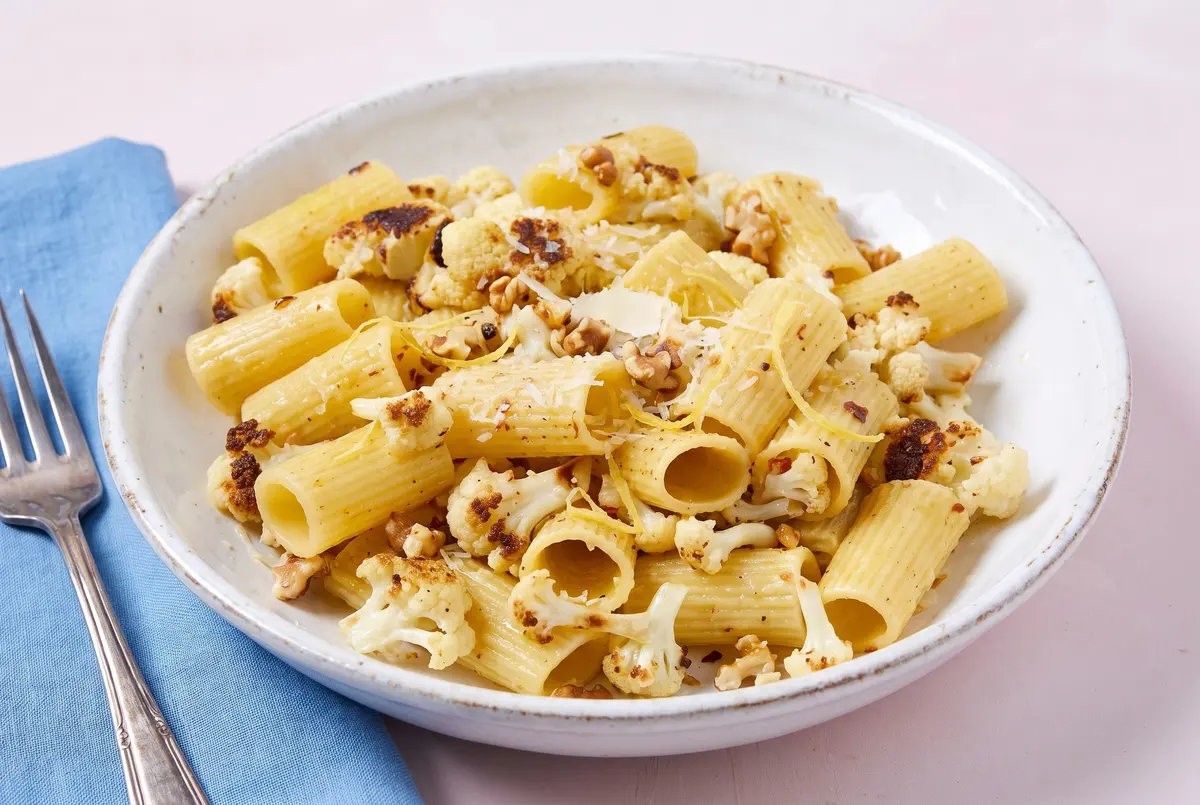
Swap the pasta. Rigatoni or shells catch the chunky cauliflower bits beautifully if you don’t feel like long strands.
Add greens. A few handfuls of baby spinach wilted into the sauce at the end is a sneaky way to bulk it up.
Serving and Pairing Ideas
What should I serve alongside this creamy roasted garlic cauliflower alfredo? A simple peppery arugula salad with lemon and shaved parmesan is the move — the sharpness cuts through the richness. Garlic bread, obviously. And a glass of something cold and crisp: a pinot grigio or even a sparkling water with lemon. If you want protein, grilled chicken or roasted shrimp both fit beautifully without competing.
Why I Love This Recipe
I love it because it doesn’t feel like a compromise. It feels like an alfredo that happens to feature a vegetable front and center, and you don’t have to apologize for it when you set it on the table. My partner, who was raised on classic fettuccine alfredo, asks for this version now. That’s the test, right there.
Storage and Make-Ahead Tips
The sauce keeps in the fridge for up to three days in a sealed container. Reheat gently on the stovetop with a splash of milk or cream — it thickens up quite a bit when cold, so don’t be afraid to loosen it. The roasted cauliflower can be made a day ahead and stored separately; I actually think the flavor deepens overnight.
For meal prep, you can roast the cauliflower and make the sauce on Sunday, then cook fresh pasta each night — it only takes 9 minutes and the difference is real. I don’t love reheated pasta, so this split is my preference.
Troubleshooting Your Sauce
My sauce is grainy. You probably didn’t blend the cauliflower long enough. Give it another 60 seconds in the food processor, and it should turn silky. If it’s still grainy, push it through a fine mesh strainer — that always works.
My sauce is too thick. Add more reserved pasta water, a tablespoon at a time, until it loosens up. Pasta water is starchy and salty, so it’s the perfect fix.
My sauce is too thin. Simmer it a bit longer to reduce, or stir in another small handful of parmesan off the heat. The cheese helps thicken and adds flavor.
The flavor is bland. Almost always a salt issue. Add salt in small pinches and taste as you go. A squeeze of lemon at the end can also wake everything up if salt alone isn’t doing it.
Your Quick Questions, Answered
Can I use frozen cauliflower? You can, but thaw it thoroughly and pat it very dry before roasting. Frozen cauliflower releases a lot of water, and you’ll never get the same caramelization. Fresh really is best here.
Is there a dairy-free version? Yes — swap the butter for olive oil, use full-fat canned coconut milk in place of the cream, and skip the parmesan or use a vegan parmesan. The roasted cauliflower does most of the heavy lifting either way.
Can I make this ahead for a dinner party? Absolutely. Roast the cauliflower and make the sauce up to a day in advance. When your guests arrive, cook the pasta fresh, warm the sauce, and toss everything together. It comes back together in under 15 minutes.
What pasta shape works best? Long strands are classic, but I love this with rigatoni because the sauce gets inside the tubes. Shells work for the same reason. Use what you have.
How do I get more caramelization on the cauliflower? Don’t crowd the pan. If your florets are piled up, they’ll steam instead of roast. Use two sheet pans if you need to, and resist the urge to stir them halfway through — let them sit and get golden.
A Few Last Thoughts
I’ve made this creamy roasted garlic cauliflower alfredo on tired weeknights when I had nothing in the fridge but a head of cauliflower and a half-empty carton of cream. I’ve made it for friends who said they didn’t like cauliflower and then went back for seconds. It is, somehow, both humble and a little bit luxurious — the kind of pasta that makes a regular Tuesday feel like you tried, without actually trying that hard.
If you make it, I’d love to hear how it goes. Drop a comment, send a message, tell a friend. And if you change something up — add the lemon, swap the pasta, sneak in some spinach — let me know. Recipes like this one are better when they get passed around and made a little differently in every kitchen.
Difficulty:BeginnerPrep Time: 5 minutesCook Time: 25 minutesTotal Time: 30 minutesServings: 4 minutesCalories:Approx. 470 kcal per serving Best Season:Summer
Description
A 30-minute weeknight pasta that swaps heavy cream for velvety roasted cauliflower and caramelized garlic. Comfort food that happens to feature a vegetable front and center.
Ingredients
Instructions
Preheat oven to 400°F (200°C). Line a large baking sheet with parchment paper. Cut the cauliflower into large bite-sized florets and toss on the sheet with olive oil, salt, pepper, and thyme leaves. Add 4 unpeeled garlic cloves to the tray. Roast for 25 minutes, until the florets are tender and the edges are deeply golden.
While the cauliflower roasts, bring a large pot of well-salted water to a boil. Add the spaghetti and cook until al dente (about 1 minute less than the package suggests). Reserve 1 cup of pasta water before draining.
Heat the butter and olive oil in a deep skillet over low heat. Add the sliced garlic and sauté for 2 minutes, until fragrant but not browned. Pour in the heavy cream, add thyme leaves, salt, and pepper. Bring just to a bubble, then reduce heat and simmer for 3 minutes to thicken slightly.
Transfer most of the roasted cauliflower florets and all 4 of the squeezed-out roasted garlic cloves to a food processor. Add 1/2 cup of the cream sauce and blend for a full minute until completely smooth. Pour back into the skillet and stir to combine.
Add the drained pasta and 1/2 cup of the reserved pasta water to the skillet. Gently turn the pasta in the sauce over medium heat for 1-2 minutes. Add more pasta water as needed to loosen. Stir in the remaining roasted cauliflower florets last.
Off the heat, stir in the parmesan. Taste for salt. Divide into warm bowls and top with extra parmesan, a few grinds of black pepper, fresh thyme leaves, and a touch of lemon zest.
Notes
Reserve that pasta water — it’s the secret to a sauce that clings. For extra crunch, top with toasted panko breadcrumbs. Add a pinch of red pepper flakes to the cream sauce if you want a little heat. The sauce keeps in the fridge for up to 3 days; loosen with a splash of milk or cream when reheating.
Keywords:cauliflower alfredo, roasted garlic pasta, weeknight pasta, vegetarian pasta
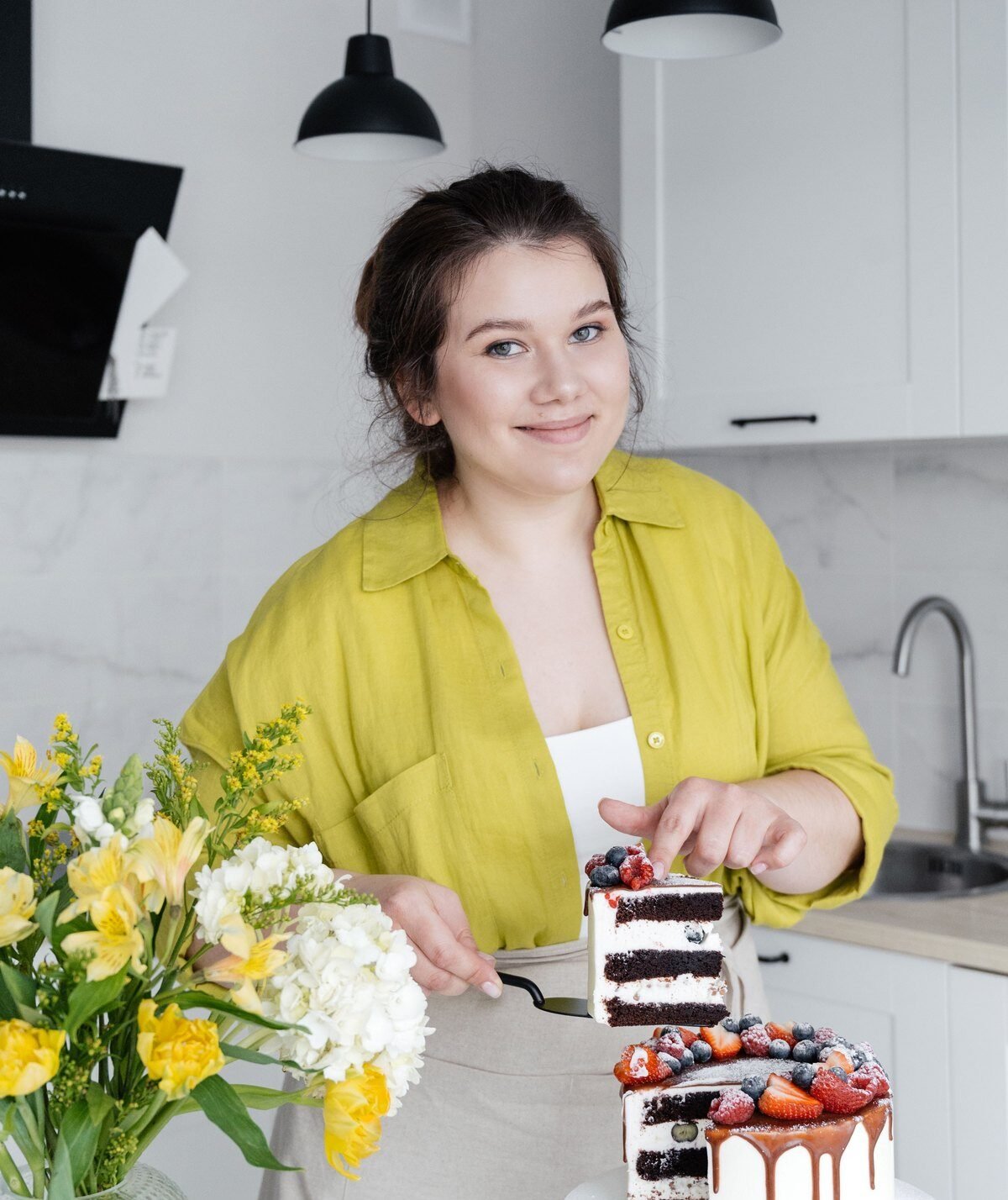
Elowen Thorn I cook, photograph and re-test every recipe in an ordinary home kitchen before it goes up, so what you make matches what you see. Savory Discovery is where simple weeknight cooking, seasonal ideas and the odd bit of kitchen craft sit side by side — written plainly, and worth cooking twice.